
As an impact roller supplier, I am often asked whether an impact roller can be used for sports field construction. In this blog post, I will delve into this question, exploring the feasibility, advantages, and considerations of using impact rollers in sports field projects.
Understanding Impact Rollers
Impact rollers are specialized compaction equipment designed to deliver high-energy impacts to the ground. Unlike traditional smooth - wheel rollers that rely on static weight and vibration for compaction, impact rollers use the kinetic energy generated by the rotation of non - circular drums. These drums, typically polygonal in shape, rise and fall as they roll, creating a series of powerful impacts on the soil surface. This dynamic compaction method can achieve deeper compaction depths and higher compaction densities compared to conventional rollers.
Feasibility of Using Impact Rollers in Sports Field Construction
Sports fields require a stable and well - compacted foundation to ensure the safety and performance of athletes. Whether it's a football field, a rugby pitch, or a tennis court, the underlying soil needs to be properly compacted to prevent uneven settlement, which can lead to injuries and affect the quality of play.
Impact rollers are highly feasible for sports field construction for several reasons. Firstly, they can effectively compact large areas of soil quickly. In large - scale sports field projects, time is of the essence, and the high - speed compaction ability of impact rollers can significantly reduce the construction period. Secondly, the deep - compaction characteristic of impact rollers can create a more uniform and stable foundation. This is crucial for sports fields, as it helps to prevent the formation of soft spots or uneven surfaces that could cause tripping hazards or affect ball bounce.
Advantages of Using Impact Rollers
1. Enhanced Compaction Quality
The high - energy impacts of impact rollers can break up large soil aggregates and redistribute the soil particles, resulting in a more dense and homogeneous soil structure. This improved compaction quality provides better support for the sports field surface, whether it is natural grass, artificial turf, or a hard - court surface. For example, in a natural grass sports field, a well - compacted foundation helps the grass roots to penetrate deeper, promoting healthier growth and better resistance to wear and tear.
2. Cost - Efficiency
Although the initial investment in an impact roller may be relatively high, the long - term cost savings are significant. The faster compaction speed means lower labor costs and reduced equipment rental time. Additionally, the improved compaction quality can reduce the need for future maintenance and repairs, saving both time and money in the long run.
3. Adaptability
Impact rollers can be used on a variety of soil types, including cohesive soils, granular soils, and fill materials. This versatility makes them suitable for different sports field construction projects in various geographical locations. Whether you are building a sports field in a coastal area with sandy soil or in an inland area with clayey soil, an impact roller can be adjusted to achieve the desired compaction results.
Considerations When Using Impact Rollers in Sports Field Construction
1. Soil Moisture Content
The moisture content of the soil plays a crucial role in the compaction process. If the soil is too dry, the impact roller may not be able to break up the soil particles effectively, resulting in poor compaction. On the other hand, if the soil is too wet, it may become muddy and difficult to compact, and there is a risk of creating a soft and unstable foundation. Therefore, it is essential to monitor and adjust the soil moisture content before and during the compaction process.
2. Compaction Depth and Density Requirements
Different sports fields have different compaction depth and density requirements. For example, a football field may require a deeper and more densely compacted foundation compared to a tennis court. It is important to determine the specific requirements of the sports field project and adjust the operating parameters of the impact roller accordingly, such as the rolling speed, the number of passes, and the impact energy level.
3. Environmental Impact
During the compaction process, impact rollers generate noise and dust. In sports field construction projects, which are often located in populated areas, it is necessary to take measures to minimize the environmental impact. This may include using noise - reducing equipment, implementing dust control measures such as watering the soil, and adhering to local environmental regulations.
Related Roller Products
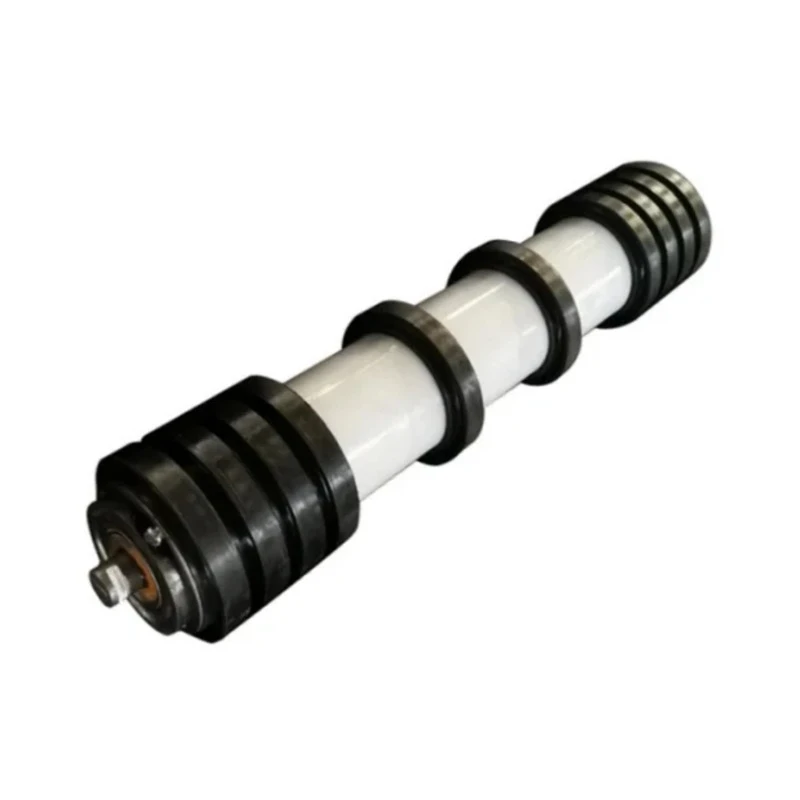
In addition to impact rollers, there are other types of rollers that may be relevant to sports field construction or related infrastructure projects. For example, the Friction Roller is commonly used in conveyor systems, which may be involved in transporting construction materials to the sports field site. The Sleeve Roller/Comb Roller also has its applications in conveyor systems, ensuring smooth and efficient material handling. And the Spiral Roller can be used in various industrial and construction settings for material transportation and processing.
Conclusion
In conclusion, an impact roller can be an excellent choice for sports field construction. Its high - speed compaction ability, deep - compaction characteristic, and adaptability make it suitable for creating a stable and well - compacted foundation for sports fields. However, it is important to consider factors such as soil moisture content, compaction requirements, and environmental impact during the construction process.
If you are involved in a sports field construction project or are interested in learning more about impact rollers, I encourage you to get in touch with me. I can provide you with detailed product information, technical support, and help you determine the most suitable compaction solution for your project. Let's work together to build high - quality sports fields that meet the needs of athletes and sports enthusiasts.

References
- "Soil Mechanics and Foundation Engineering" by Braja M. Das
- "Construction Equipment Handbook" by Frank R. Driscoll


