
Can Impact Beds be used in wet environments?
As a supplier of Impact Beds, I often encounter inquiries from customers regarding the suitability of our products in wet environments. This is a crucial question, especially for industries such as mining, food processing, and wastewater treatment, where wet conditions are common. In this blog post, I will delve into the factors that determine whether Impact Beds can be used in wet environments, the potential challenges, and the solutions we offer to ensure optimal performance.
Understanding Impact Beds
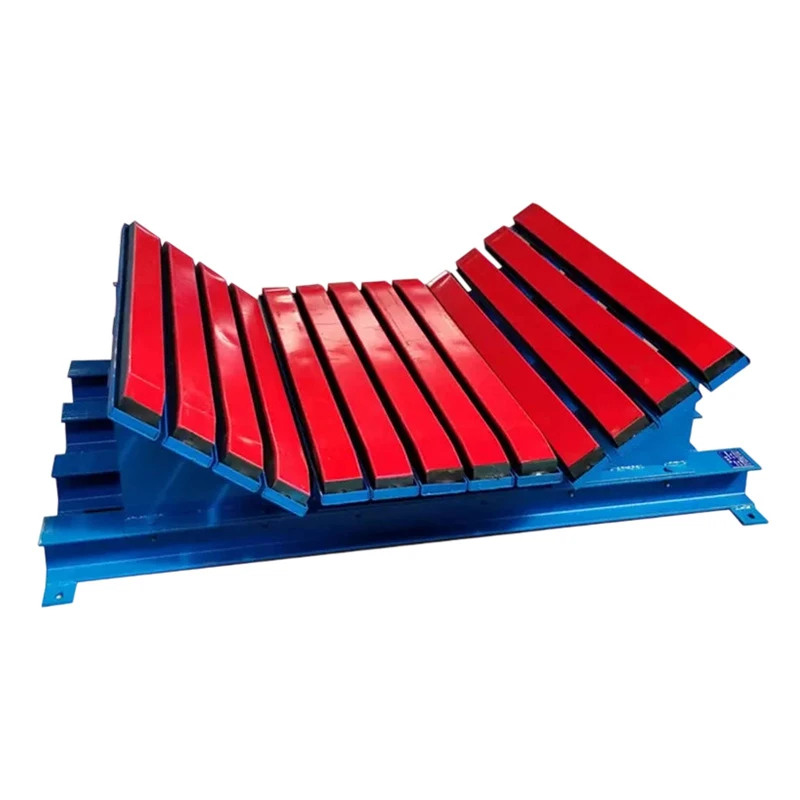
Before discussing their use in wet environments, let's first understand what Impact Beds are. Impact Beds are an essential component of conveyor systems, designed to support the conveyor belt at loading points. They absorb the impact of material being loaded onto the belt, reducing stress on the belt and extending its lifespan. Impact Beds consist of a frame, impact bars, and sometimes a troughing idler set. The impact bars are typically made of rubber or a combination of rubber and other materials, which provide cushioning and shock absorption.
Factors Affecting the Use of Impact Beds in Wet Environments
Several factors need to be considered when determining whether Impact Beds can be used in wet environments. These include the material of the impact bars, the design of the Impact Bed, and the type of wet environment.
Material of the Impact Bars: The material of the impact bars plays a crucial role in their performance in wet environments. Rubber is a common material used for impact bars due to its excellent shock absorption properties. However, some types of rubber may degrade over time when exposed to water, chemicals, or high humidity. For example, natural rubber may swell or lose its elasticity when wet, which can reduce its effectiveness as an impact absorber. On the other hand, synthetic rubbers such as neoprene or polyurethane are more resistant to water and chemicals, making them better suited for wet environments.
Design of the Impact Bed: The design of the Impact Bed also affects its performance in wet environments. A well-designed Impact Bed should have proper drainage to prevent water from pooling on the impact bars. This can be achieved through the use of slotted or perforated impact bars, or by incorporating a drainage system into the frame of the Impact Bed. Additionally, the frame of the Impact Bed should be made of a corrosion-resistant material, such as stainless steel or galvanized steel, to prevent rusting and degradation.
Type of Wet Environment: The type of wet environment also plays a role in determining the suitability of Impact Beds. For example, a wet environment with clean water may pose fewer challenges than a wet environment with dirty water or chemicals. In a clean water environment, the main concern is the potential for corrosion of the Impact Bed components. In a dirty water or chemical environment, the impact bars may be exposed to abrasive particles or chemicals that can cause wear and tear.
Potential Challenges of Using Impact Beds in Wet Environments
While Impact Beds can be used in wet environments, there are several potential challenges that need to be addressed. These include:
Corrosion: As mentioned earlier, corrosion is a major concern in wet environments. The frame and other metal components of the Impact Bed can rust and degrade over time, which can affect the performance and lifespan of the Impact Bed. To prevent corrosion, it is important to use corrosion-resistant materials and to apply a protective coating to the metal components.
Wear and Tear: The impact bars of the Impact Bed can experience wear and tear when exposed to wet conditions. This is especially true in environments with abrasive particles or chemicals. To minimize wear and tear, it is important to choose impact bars made of a durable material and to regularly inspect and replace the impact bars as needed.
Reduced Performance: The performance of the Impact Bed may be reduced in wet environments. For example, the shock absorption properties of the impact bars may be affected by water, which can result in increased stress on the conveyor belt. To ensure optimal performance, it is important to choose Impact Beds that are specifically designed for wet environments and to follow the manufacturer's recommendations for installation and maintenance.


Solutions for Using Impact Beds in Wet Environments
To overcome the challenges of using Impact Beds in wet environments, we offer several solutions:
Corrosion-Resistant Materials: We use corrosion-resistant materials such as stainless steel and galvanized steel for the frame of our Impact Beds. Additionally, we offer impact bars made of synthetic rubbers such as neoprene and polyurethane, which are more resistant to water and chemicals.
Proper Drainage Design: Our Impact Beds are designed with proper drainage to prevent water from pooling on the impact bars. This helps to reduce the risk of corrosion and wear and tear.
Regular Maintenance: We recommend regular maintenance of our Impact Beds to ensure optimal performance. This includes inspecting the impact bars for wear and tear, cleaning the Impact Bed to remove dirt and debris, and lubricating the moving parts as needed.
Customized Solutions: We understand that every application is unique, and we offer customized solutions to meet the specific needs of our customers. Whether you need an Impact Bed for a clean water environment or a dirty water or chemical environment, we can design and manufacture a solution that is tailored to your requirements.
Complementary Products for Wet Environments
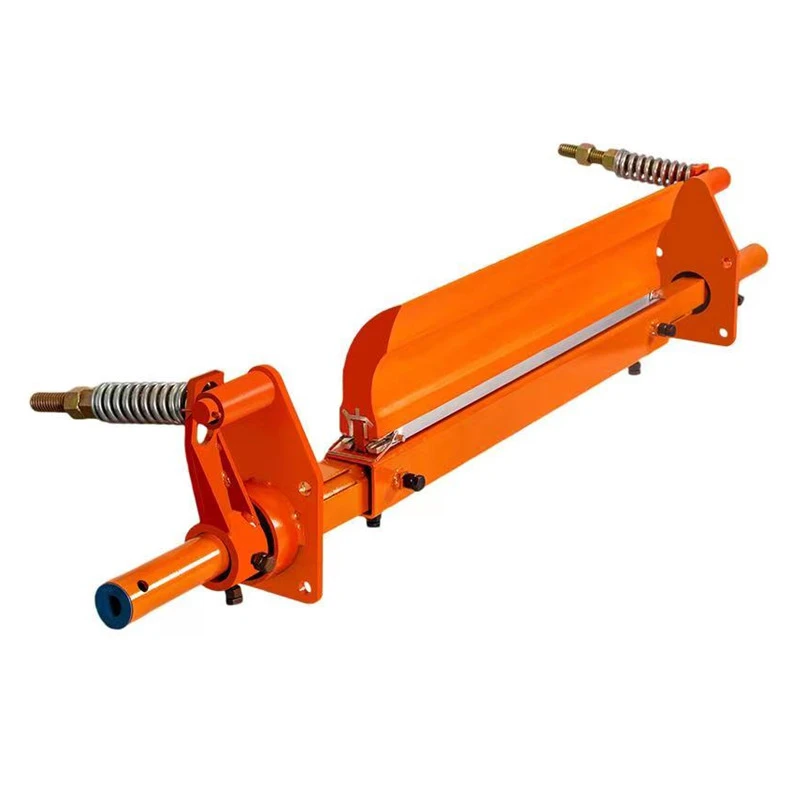
In addition to our Impact Beds, we also offer a range of complementary products that can be used in wet environments. These include Polyurethane Belt Cleaner and Carbide Belt Cleaner. These belt cleaners are designed to remove dirt, debris, and moisture from the conveyor belt, which helps to improve the performance and lifespan of the conveyor system.
Conclusion
In conclusion, Impact Beds can be used in wet environments, but it is important to choose the right product and to take the necessary precautions to ensure optimal performance. By considering the material of the impact bars, the design of the Impact Bed, and the type of wet environment, you can select an Impact Bed that is suitable for your application. Additionally, by following the manufacturer's recommendations for installation and maintenance, you can extend the lifespan of your Impact Bed and reduce the risk of downtime and costly repairs.
If you have any questions about using Impact Beds in wet environments or if you would like to discuss your specific requirements, please do not hesitate to contact us. We are here to help you find the best solution for your conveyor system.
References
- Conveyor Belt Handbook, Conveyor Equipment Manufacturers Association (CEMA)
- Rubber Technology Handbook, Werner Hofmann


