
In the intricate world of mechanical systems, friction rollers play a pivotal role, interacting with various components to ensure smooth and efficient operation. As a leading friction roller supplier, I have witnessed firsthand the diverse ways in which these seemingly simple components integrate with others to drive complex machinery. This blog post aims to explore the fascinating interactions between friction rollers and other mechanical components, shedding light on their significance and applications.
Fundamental Principles of Friction Rollers
Before delving into their interactions, it's essential to understand the basic principles of friction rollers. Friction rollers are cylindrical or conical components designed to transmit power through frictional forces. They rely on the contact between their surface and other components to transfer motion, torque, or both. The key to their functionality lies in the coefficient of friction between the roller and the mating surface, which determines the amount of force that can be transmitted without slipping.
Interaction with Drive Systems
One of the primary functions of friction rollers is to interact with drive systems, such as motors and gears. In a typical setup, a motor provides the initial power, which is then transmitted to the friction rollers. The rollers, in turn, transfer this power to other components through frictional contact. For example, in a conveyor system, the motor drives a series of friction rollers, which move the conveyor belt forward. The friction between the rollers and the belt ensures that the belt moves smoothly and efficiently, without slipping.
The design of the friction rollers and the drive system is crucial to ensure optimal performance. Factors such as the roller material, surface finish, and diameter can significantly affect the frictional forces and the power transmission efficiency. Additionally, the alignment and tension of the drive system must be carefully adjusted to prevent excessive wear and tear on the rollers and other components.
Interaction with Belt Conveyor Systems
Friction rollers are widely used in belt conveyor systems, where they interact with the conveyor belt and other components to facilitate the movement of materials. In addition to the drive rollers mentioned earlier, there are several other types of rollers that play important roles in these systems.
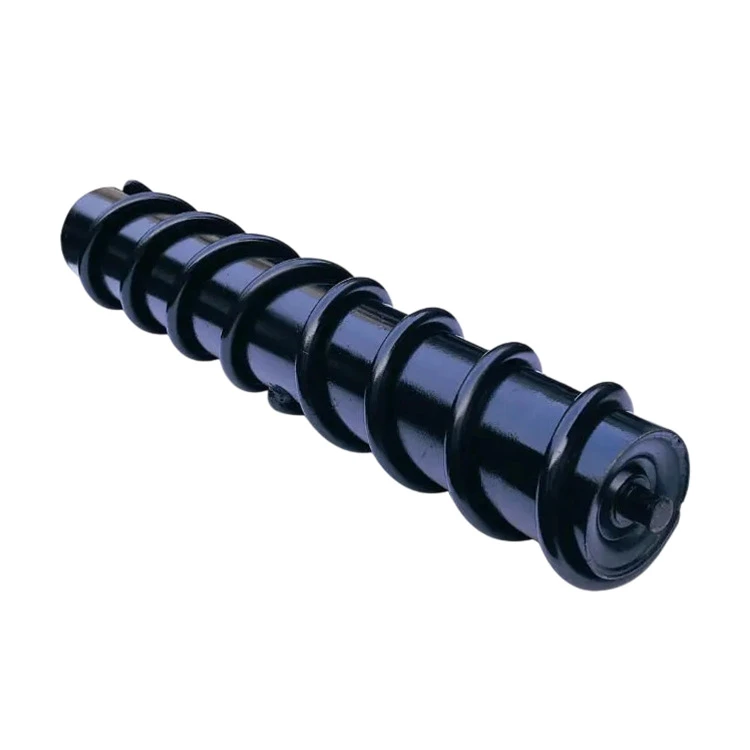
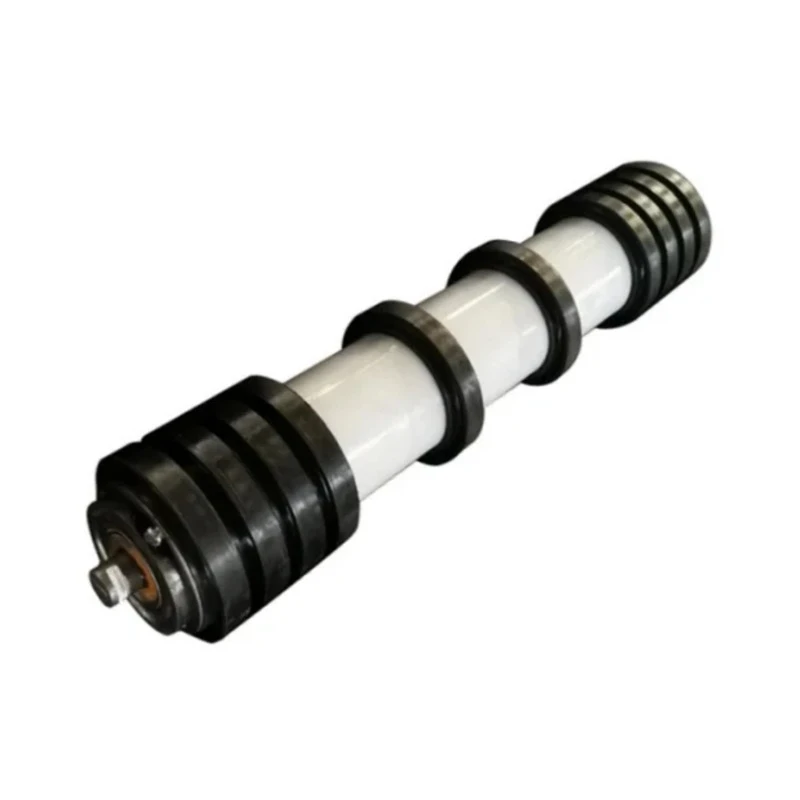
- Impact Roller: Impact rollers are designed to absorb the shock and impact of materials being loaded onto the conveyor belt. They are typically placed at the loading points and are made of a durable material that can withstand high forces. The interaction between the impact rollers and the belt helps to reduce the stress on the belt and prevent damage, ensuring a longer service life.
- Spiral Roller: Spiral rollers are used to guide and center the conveyor belt, preventing it from跑偏. They have a spiral-shaped surface that creates a lateral force on the belt, keeping it in the correct position. The interaction between the spiral rollers and the belt is critical for maintaining the stability and efficiency of the conveyor system.
- Sleeve Roller/Comb Roller: Sleeve rollers and comb rollers are used to clean the conveyor belt and remove any debris or material that may accumulate on its surface. They are typically placed at the return side of the belt and are designed to rotate in the opposite direction of the belt. The interaction between these rollers and the belt helps to keep the belt clean and prevent the buildup of material, which can affect the performance of the conveyor system.
Interaction with Gearboxes
Friction rollers can also interact with gearboxes to provide a smooth and efficient power transmission. In some applications, the friction rollers are used to drive the input shaft of the gearbox, which then multiplies the torque and reduces the speed. The interaction between the friction rollers and the gearbox is similar to that with the drive system, but with the added complexity of the gearbox's internal components.
The design of the gearbox and the friction rollers must be carefully coordinated to ensure compatibility and optimal performance. Factors such as the gear ratio, the input and output speeds, and the torque requirements must be taken into account. Additionally, the lubrication and maintenance of the gearbox are crucial to prevent excessive wear and tear on the components and ensure a long service life.
Interaction with Bearings
Bearings are essential components in any mechanical system, and friction rollers are no exception. The interaction between the friction rollers and the bearings is critical for ensuring smooth rotation and reducing friction and wear. The bearings support the weight of the rollers and allow them to rotate freely, while also providing a stable platform for the transmission of power.
The type and size of the bearings used in a friction roller system depend on several factors, including the load capacity, the speed, and the operating environment. For example, in high-speed applications, precision bearings may be required to ensure smooth operation and minimize vibration. Additionally, the lubrication of the bearings is crucial to prevent overheating and premature failure.
Importance of Proper Alignment and Maintenance
Proper alignment and maintenance are essential for ensuring the optimal performance and longevity of friction rollers and their associated components. Misalignment can cause excessive wear and tear on the rollers, bearings, and other components, leading to premature failure and increased downtime. Regular maintenance, including lubrication, inspection, and adjustment, can help to prevent these issues and ensure that the system operates smoothly and efficiently.
As a friction roller supplier, I recommend that customers follow the manufacturer's guidelines for installation, alignment, and maintenance. This includes using the correct tools and techniques, as well as performing regular inspections to detect any signs of wear or damage. Additionally, it's important to use high-quality components and lubricants to ensure the best possible performance and reliability.
Conclusion
In conclusion, friction rollers are versatile components that interact with a wide range of other components in mechanical systems. Their ability to transmit power through frictional forces makes them essential for many applications, including conveyor systems, drive systems, and gearboxes. By understanding the principles of friction rollers and their interactions with other components, engineers and designers can optimize the performance and efficiency of mechanical systems.
As a leading friction roller supplier, I am committed to providing high-quality products and excellent customer service. If you are interested in learning more about our friction rollers or have any questions about their applications, please do not hesitate to contact us. We look forward to discussing your specific needs and helping you find the best solutions for your mechanical systems.
References
- Norton, R. L. (2004). Design of Machinery: An Introduction to the Synthesis and Analysis of Mechanisms and Machines. McGraw-Hill.
- Shigley, J. E., & Mischke, C. R. (2001). Mechanical Engineering Design. McGraw-Hill.
- Spotts, M. F., Shoup, T. E., & Nahavandi, A. (2004). Design of Machine Elements. Prentice Hall.


