
Hey there! As a supplier of Spiral Rollers, I'm super stoked to share with you how these nifty little devices work. Spiral Rollers are a key component in many industrial applications, especially in conveyor systems. They've got some unique features that make them stand out from other types of rollers. Let's dive right in and take a closer look at what makes them tick.
The Basics of a Spiral Roller
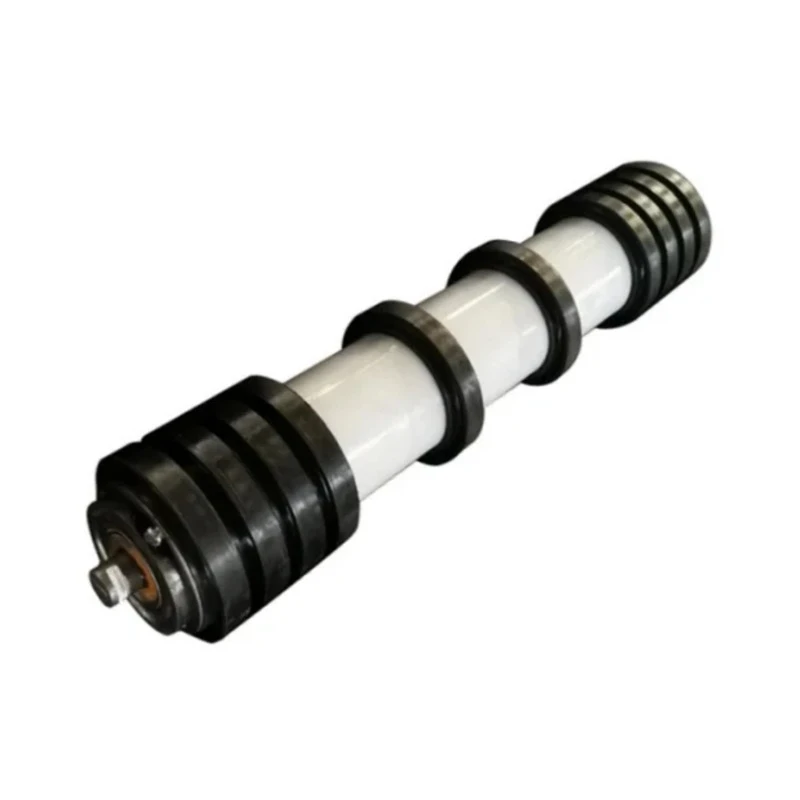
First off, what exactly is a Spiral Roller? Well, it's a type of roller that has a spiral-shaped pattern on its surface. This spiral design is what gives it its name and its special properties. You can find Spiral Rollers in different sizes, materials, and configurations, depending on the specific application they're meant for.
The main function of a Spiral Roller is to help move materials along a conveyor belt. It does this by providing a smooth and continuous surface for the belt to roll on. But the spiral pattern isn't just for show. It actually serves a very important purpose. When the belt moves over the Spiral Roller, the spiral shape creates a lateral force that helps to center the belt and keep it running straight. This is crucial in preventing the belt from drifting off to one side, which can cause all sorts of problems like uneven wear, belt damage, and even system breakdowns.
How the Spiral Design Works
Let's break down how that spiral design does its magic. When the conveyor belt comes into contact with the Spiral Roller, the spiral grooves on the roller's surface interact with the belt. As the belt moves forward, the spiral shape creates a force that pushes the belt towards the center of the roller. This force is known as the centering force.
Think of it like a ball rolling down a spiral ramp. As the ball moves along the ramp, the shape of the ramp guides it towards the center. In the same way, the spiral pattern on the Spiral Roller guides the conveyor belt towards the center of the roller. This centering effect helps to keep the belt aligned and running smoothly, even when there are external factors like uneven loading or misalignment in the conveyor system.
Another cool thing about the spiral design is that it helps to reduce friction between the belt and the roller. The spiral grooves allow for better air circulation, which helps to dissipate heat and prevent the belt from overheating. This not only extends the life of the belt but also improves the overall efficiency of the conveyor system.
Comparing with Other Types of Rollers
Now, let's compare Spiral Rollers with some other common types of rollers used in conveyor systems.
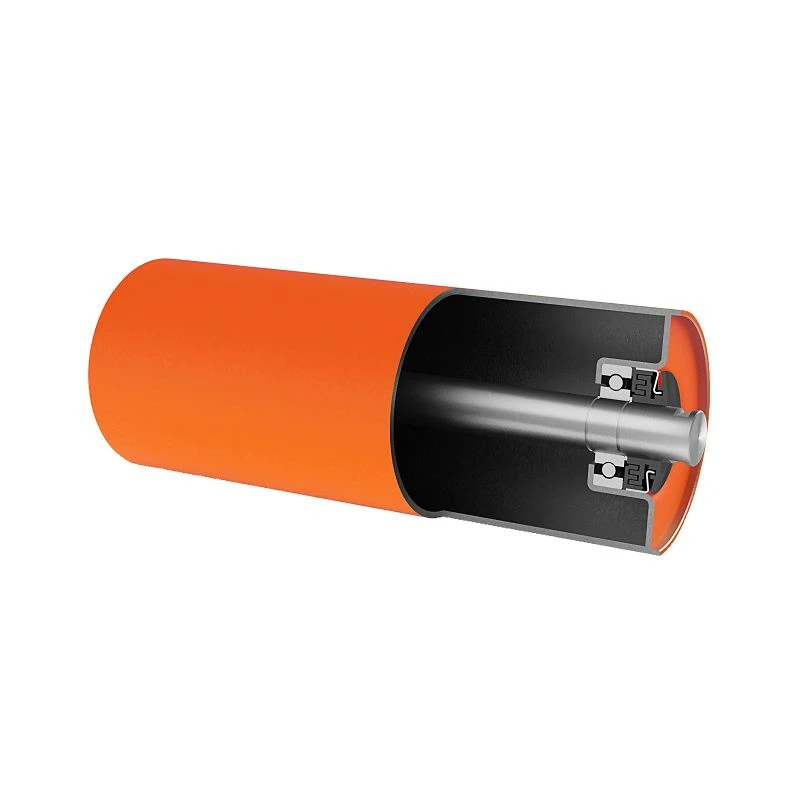
- Steel Roller: Steel Rollers are known for their durability and strength. They're often used in heavy-duty applications where high loads and tough conditions are the norm. However, they don't have the centering effect that Spiral Rollers do. This means that additional measures may be needed to keep the conveyor belt aligned.
- Sleeve Roller/Comb Roller: Sleeve Rollers and Comb Rollers are designed to provide support and guidance to the conveyor belt. They have a different structure compared to Spiral Rollers, with sleeves or combs that help to keep the belt in place. While they can be effective in certain applications, they may not offer the same level of centering and friction reduction as Spiral Rollers.
- Friction Roller: Friction Rollers are used to increase the friction between the belt and the roller, which helps to drive the belt forward. They're great for applications where high traction is required. But like Steel Rollers, they don't have the built-in centering feature of Spiral Rollers.
Applications of Spiral Rollers
Spiral Rollers are used in a wide range of industries and applications. Here are some examples:
- Mining: In the mining industry, conveyor systems are used to transport large amounts of ore and other materials. Spiral Rollers help to keep the conveyor belts running smoothly and prevent downtime due to belt misalignment.
- Manufacturing: In manufacturing plants, conveyor systems are used to move products along the production line. Spiral Rollers ensure that the products are transported efficiently and without damage.
- Warehousing and Logistics: In warehouses and distribution centers, conveyor systems are used to move packages and goods. Spiral Rollers help to keep the conveyor belts centered, which improves the overall throughput of the system.
Maintenance and Care
Like any other component in a conveyor system, Spiral Rollers require regular maintenance to ensure optimal performance. Here are some tips on how to take care of your Spiral Rollers:
- Cleaning: Regularly clean the Spiral Rollers to remove any dirt, debris, or buildup that may accumulate on the surface. This will help to maintain the centering effect and prevent premature wear.
- Lubrication: Depending on the type of Spiral Roller and the application, lubrication may be required to reduce friction and prevent wear. Make sure to use the appropriate lubricant and follow the manufacturer's recommendations.
- Inspection: Periodically inspect the Spiral Rollers for any signs of damage, such as cracks, dents, or excessive wear. Replace any damaged rollers immediately to prevent further problems.
Why Choose Our Spiral Rollers
As a supplier of Spiral Rollers, we take pride in offering high-quality products that are designed to meet the needs of our customers. Here are some reasons why you should choose our Spiral Rollers:
- Quality Materials: We use only the best materials in the manufacturing of our Spiral Rollers. This ensures that they are durable, reliable, and able to withstand the toughest conditions.
- Precision Manufacturing: Our Spiral Rollers are manufactured with precision to ensure that they have the correct spiral pattern and dimensions. This guarantees optimal performance and centering effect.
- Customization: We understand that every customer has unique requirements. That's why we offer customization options for our Spiral Rollers. Whether you need a specific size, material, or configuration, we can work with you to create the perfect solution.
Contact Us for Procurement
If you're in the market for Spiral Rollers or have any questions about how they work, we'd love to hear from you. Our team of experts is ready to assist you in finding the right Spiral Rollers for your application. Don't hesitate to reach out and start a conversation about your procurement needs.
References
- Conveyor Belt Handbook, various industry publications
- Technical manuals from roller manufacturers


