
In the realm of scanning devices, friction rollers play a pivotal role in ensuring smooth and accurate operations. As a dedicated Friction Roller supplier, I have witnessed firsthand the significance of these components and understand the specific requirements that make them indispensable for scanning technology. In this blog, we will delve into the key requirements for friction rollers in a scanning device, exploring their material properties, design features, and performance characteristics.
Material Requirements
The choice of material for friction rollers is crucial as it directly impacts their performance and durability. For scanning devices, the material should possess several important properties.
High Friction Coefficient
A high friction coefficient is essential for friction rollers to grip the media being scanned effectively. Whether it's paper, plastic cards, or other materials, the rollers need to provide sufficient traction to move the media through the scanning path at a consistent speed. Materials such as rubber or polyurethane are commonly used due to their excellent friction properties. Rubber offers a high coefficient of friction, which allows for reliable media transport. Polyurethane, on the other hand, combines good friction with enhanced wear resistance, making it suitable for high - volume scanning applications.
Wear Resistance
Scanning devices often operate continuously, subjecting the friction rollers to significant wear and tear. Therefore, the material must be wear - resistant to maintain its performance over time. Hardened plastics, ceramics, or specialized rubber compounds can be used to improve wear resistance. For example, some rubber formulations are reinforced with fibers or fillers to enhance their durability. This helps to prevent the rollers from wearing down too quickly, which could lead to inconsistent media movement and scanning errors.
Chemical Resistance
In many scanning environments, the friction rollers may come into contact with various chemicals, such as cleaning agents or ink residues. The material should be chemically resistant to avoid degradation or swelling. Fluorocarbon rubber, for instance, has excellent chemical resistance and can withstand exposure to a wide range of chemicals without losing its mechanical properties. This ensures that the rollers remain functional even in challenging chemical environments.
Design Requirements
The design of friction rollers also has a significant impact on their performance in a scanning device.
Diameter and Width
The diameter and width of the friction rollers need to be carefully selected based on the size and type of media being scanned. For smaller media, such as business cards or thin paper, smaller - diameter rollers may be more appropriate as they can provide more precise control. Larger - diameter rollers, on the other hand, are better suited for larger media, such as A4 or legal - size paper, as they can handle the increased weight and width. The width of the rollers should also match the width of the media to ensure uniform contact and smooth movement.
Surface Texture
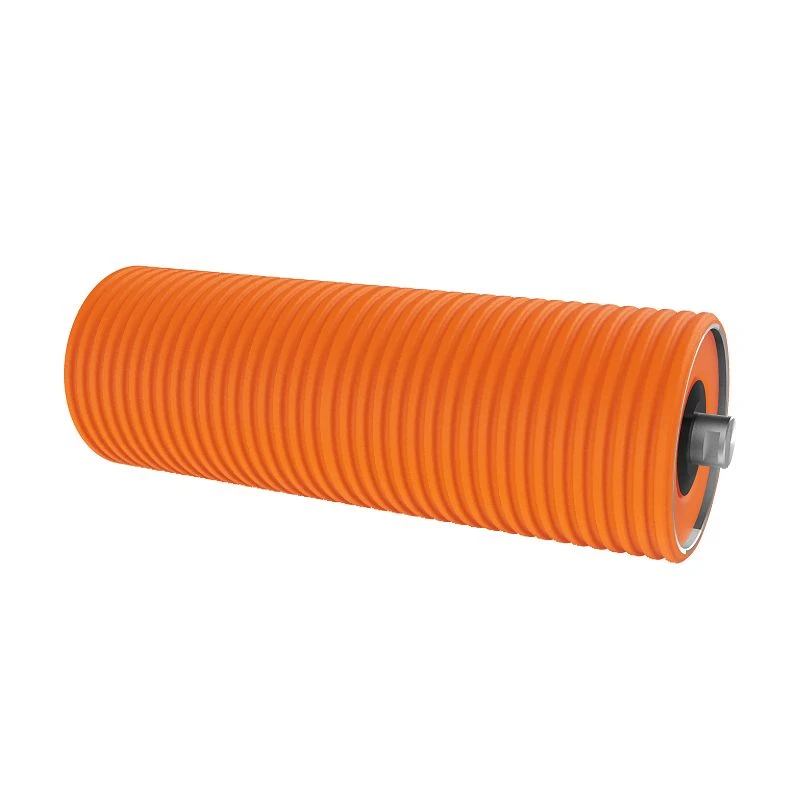
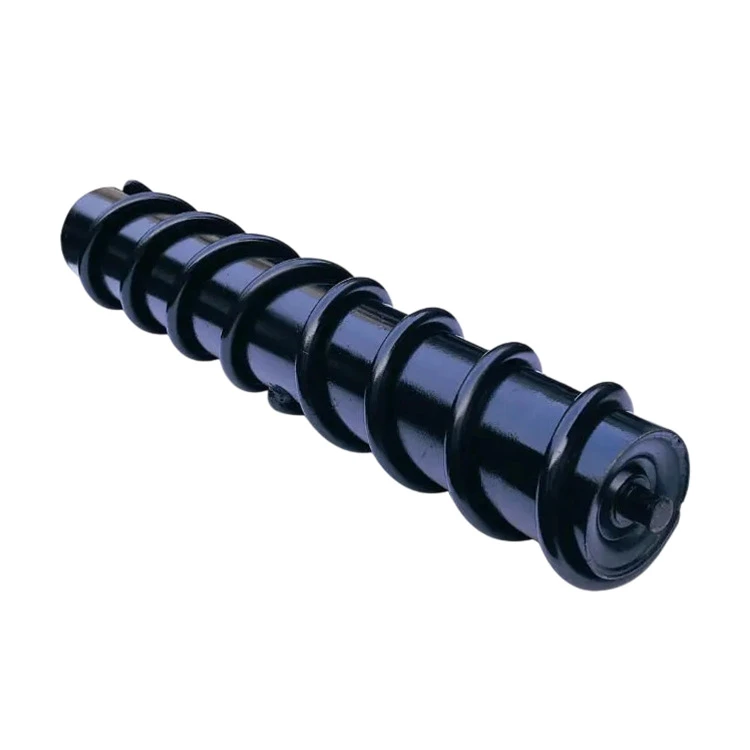
The surface texture of the friction rollers is another important design consideration. A smooth surface may not provide enough friction, while a rough surface could damage the media. A textured surface, such as a pattern of grooves or ridges, can increase the friction coefficient without causing excessive damage to the media. These textures can be designed to optimize the grip and reduce slippage. For example, some rollers have a helical groove pattern that helps to guide the media through the scanning path more effectively.
Alignment and Mounting
Proper alignment and mounting of the friction rollers are crucial for accurate scanning. The rollers must be aligned parallel to each other and perpendicular to the media path to ensure that the media moves in a straight line. Misaligned rollers can cause the media to skew or jam, leading to scanning errors. Additionally, the mounting mechanism should be secure and allow for easy adjustment if necessary. This ensures that the rollers can be properly installed and maintained in the scanning device.
Performance Requirements
In addition to material and design requirements, friction rollers in a scanning device must meet certain performance criteria.
Speed and Torque
The friction rollers need to be able to operate at the required speed and provide sufficient torque to move the media through the scanning device. The speed of the rollers should be consistent to ensure accurate scanning. Variations in speed can result in distorted or incomplete scans. The torque output of the rollers should be sufficient to overcome the resistance of the media, especially when scanning thick or heavy materials. This requires careful selection of the motor and drive system that powers the rollers.
Noise and Vibration
Low noise and vibration levels are important for a scanning device, especially in office or other quiet environments. Excessive noise or vibration can be a nuisance and may also affect the quality of the scan. The design of the rollers and their mounting should be optimized to minimize noise and vibration. For example, using balanced rollers and shock - absorbing mounts can help to reduce these issues.
Precision and Repeatability
Precision and repeatability are critical for accurate scanning. The friction rollers should be able to position the media precisely at the scanning point and repeat this process consistently for each scan. Any deviation in the positioning can lead to misaligned or inaccurate scans. High - precision manufacturing techniques and quality control measures are necessary to ensure that the rollers meet these requirements.
Compatibility with Other Components
Friction rollers in a scanning device need to be compatible with other components, such as the scanning head, sensors, and drive system.
Scanning Head Compatibility
The movement of the friction rollers should be synchronized with the operation of the scanning head. The rollers need to move the media at the right speed and position it correctly for the scanning head to capture the image accurately. Any mismatch between the roller movement and the scanning head operation can result in poor scan quality.
Sensor Compatibility
Sensors in the scanning device are used to detect the presence and position of the media. The friction rollers should not interfere with the operation of these sensors. For example, the rollers should not generate electromagnetic interference that could affect the sensor readings. Additionally, the rollers should be designed in such a way that the sensors can accurately detect the media as it moves through the device.
Drive System Compatibility
The friction rollers need to be compatible with the drive system that powers them. The drive system should be able to provide the necessary power and control to the rollers. Different types of drive systems, such as belt drives or direct - drive motors, may have different requirements for the rollers. The rollers should be designed to work seamlessly with the chosen drive system.
Conclusion
As a Friction Roller supplier, I understand the complex requirements for friction rollers in a scanning device. From the choice of materials to the design features and performance characteristics, every aspect of the rollers needs to be carefully considered to ensure optimal scanning performance. By meeting these requirements, friction rollers can contribute to the smooth and accurate operation of scanning devices, providing high - quality scans for a wide range of applications.
If you are in the market for high - quality friction rollers for your scanning device, we are here to help. Our team of experts can work with you to understand your specific requirements and provide the best solutions. Contact us today to start a discussion about your friction roller needs and explore how we can support your scanning device applications.
References
- "Handbook of Materials for Engineering"
- "Mechanical Design of Machine Elements and Machines: A Failure - Prevention Perspective"
- "Scanning Technology: Principles and Applications"


