
Yo, folks! I'm a supplier of Return V - type Idlers, and today I wanna chat about the effect these little guys have on the conveyor belt's tracking.
Let's start with the basics. A conveyor belt system is like the backbone of many industries, from mining to food processing. And keeping that belt on track is crucial. If the belt starts to wander off, it can lead to all sorts of problems. There could be uneven wear on the belt, increased friction, and even material spillage. That's where the Return V - type Idler comes in.
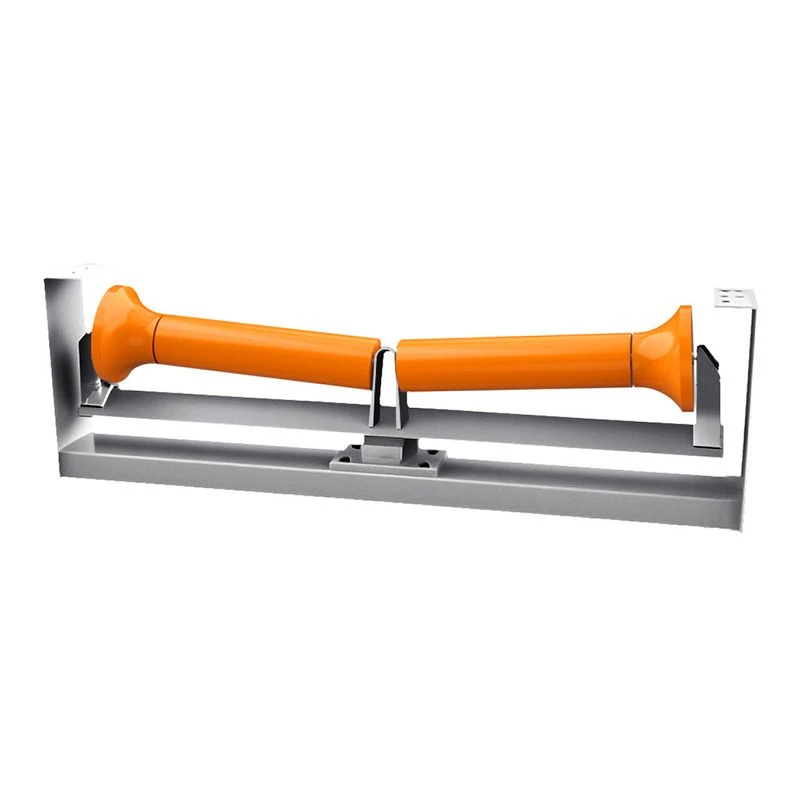
So, what exactly is a Return V - type Idler? Well, it's designed in a V - shape. This shape is not just for show; it has some real benefits when it comes to guiding the conveyor belt. When the belt passes over the Return V - type Idler, the V - shape helps to center the belt. It's like having a little traffic cop for your conveyor belt, making sure it stays in the right lane.
One of the main effects of a Return V - type Idler on belt tracking is its self - aligning nature. You see, conveyor belts can sometimes get off - track due to various reasons. Maybe there's an uneven load on the belt, or the belt has been installed a bit off - kilter. The Return V - type Idler can counteract these issues. As the belt starts to move towards one side, the angled sides of the V - shaped idler create a corrective force. This force pushes the belt back towards the center, keeping it on the right path.
Another great thing about the Return V - type Idler is that it reduces the chances of belt misalignment over time. When a conveyor belt is constantly misaligned, it can cause premature wear and tear. The edges of the belt can get frayed, and the overall lifespan of the belt can be significantly reduced. By using a Return V - type Idler, you're helping to maintain the integrity of the belt. It keeps the belt running smoothly, which in turn reduces the need for frequent belt replacements.
Now, let's talk about how the Return V - type Idler compares to other types of idlers. For example, the Return Flat Rubber Disc Idler. While the Return Flat Rubber Disc Idler also plays a role in supporting the return side of the conveyor belt, it doesn't have the same self - aligning capabilities as the Return V - type Idler. The flat design of the rubber disc idler is more focused on providing a smooth surface for the belt to run on, but it may not be as effective in correcting belt misalignment.
On the other hand, the Carrier Trough Idler is mainly used on the carrying side of the conveyor belt. Its purpose is to support the load on the belt and keep it in a trough shape. It's not designed specifically for belt tracking on the return side like the Return V - type Idler. So, each type of idler has its own unique function, and the Return V - type Idler shines when it comes to return - side belt tracking.
In some industries, the importance of proper belt tracking cannot be overstated. Take the mining industry, for example. Conveyor belts in mines are used to transport tons of ore and other materials. If the belt goes off - track, it can cause major disruptions in the production process. There could be material spillage, which not only wastes valuable resources but also creates a safety hazard. The Return V - type Idler can help prevent these issues by ensuring that the belt stays on track at all times.
In the food processing industry, conveyor belts are used to move food products from one stage of production to another. Hygiene is a top priority in this industry. A misaligned belt can lead to food getting stuck in the wrong places, which can contaminate the entire production line. The Return V - type Idler helps to keep the belt in place, reducing the risk of such contamination and ensuring a smooth and hygienic production process.
Now, you might be wondering about the installation and maintenance of Return V - type Idlers. Well, the good news is that they're relatively easy to install. Most of them come with standard mounting options that can be easily integrated into existing conveyor belt systems. As for maintenance, it's important to regularly check the idlers for any signs of wear or damage. Make sure the bearings are lubricated and that the idler is rotating freely. If you notice any issues, it's best to replace the idler as soon as possible to avoid any problems with belt tracking.
If you're in the market for a reliable solution to your conveyor belt tracking problems, you should definitely consider our Return V - type Idlers. We've been in the business for a while, and we know what it takes to provide high - quality idlers that get the job done. Our idlers are made from top - notch materials, ensuring durability and long - lasting performance.
Whether you're running a small - scale operation or a large industrial plant, our Return V - type Idlers can make a big difference in the efficiency and reliability of your conveyor belt system. So, if you're interested in learning more about our products or want to discuss your specific needs, don't hesitate to reach out. We're always happy to have a chat and help you find the best solution for your conveyor belt tracking requirements.

In conclusion, the Return V - type Idler has a significant positive effect on conveyor belt tracking. Its self - aligning nature, ability to reduce misalignment, and compatibility with various industries make it a valuable addition to any conveyor belt system. So, if you're looking to improve the performance of your conveyor belt and save on maintenance costs in the long run, consider investing in our Return V - type Idlers.
References:
- Industry reports on conveyor belt technology
- Studies on the impact of idlers on conveyor belt performance


