
Hey there! I'm a supplier of Friction Rollers, and today I'm gonna dive into the super important topic of what the function of friction rollers in a metalworking machine is.
First off, let's get a basic understanding of what friction rollers are. Friction rollers are these cylindrical components that use the force of friction to do their job. You can check out more about them here: Friction Roller. They're made from different materials like rubber, polyurethane, or even metal, depending on the specific requirements of the metalworking machine they're gonna be used in.
One of the main functions of friction rollers in a metalworking machine is power transmission. In a lot of metalworking setups, you need to transfer power from one part of the machine to another. Friction rollers are great at this. They can grip onto other surfaces, like belts or shafts, and transfer rotational force. For example, in a conveyor system within a metalworking factory, friction rollers can be used to move metal sheets or parts along the conveyor belt. The friction between the roller and the belt allows the roller to drive the belt forward, moving the metal items from one station to another. This is a really efficient way to transfer power without the need for complex gear systems in some cases.
Another key function is speed control. Metalworking processes often require different speeds at different stages. Friction rollers can be adjusted to control the speed of movement. By changing the pressure between the roller and the surface it's in contact with, or by using rollers with different diameters, you can easily vary the speed. For instance, when you're cutting or shaping metal, you might want to slow down the movement of the metal piece for more precision. Friction rollers can help achieve this by reducing the rotational speed of the conveyor or other moving parts.
Friction rollers also play a big role in tensioning. In metalworking machines that use belts or chains, maintaining the right tension is crucial. If the tension is too low, the belt or chain might slip, causing inefficiencies or even damage to the machine. Friction rollers can be used to apply the right amount of tension. They can be positioned in such a way that they press against the belt or chain, keeping it taut. This ensures smooth operation and reduces the risk of slippage.
In addition to these functions, friction rollers are used for alignment. Metal parts need to be properly aligned during the manufacturing process to ensure accurate results. Friction rollers can be used to guide the metal pieces along a specific path. They can be placed at strategic points to keep the metal in the right position as it moves through the machine. This is especially important in processes like rolling or bending, where even a small misalignment can lead to defective products.
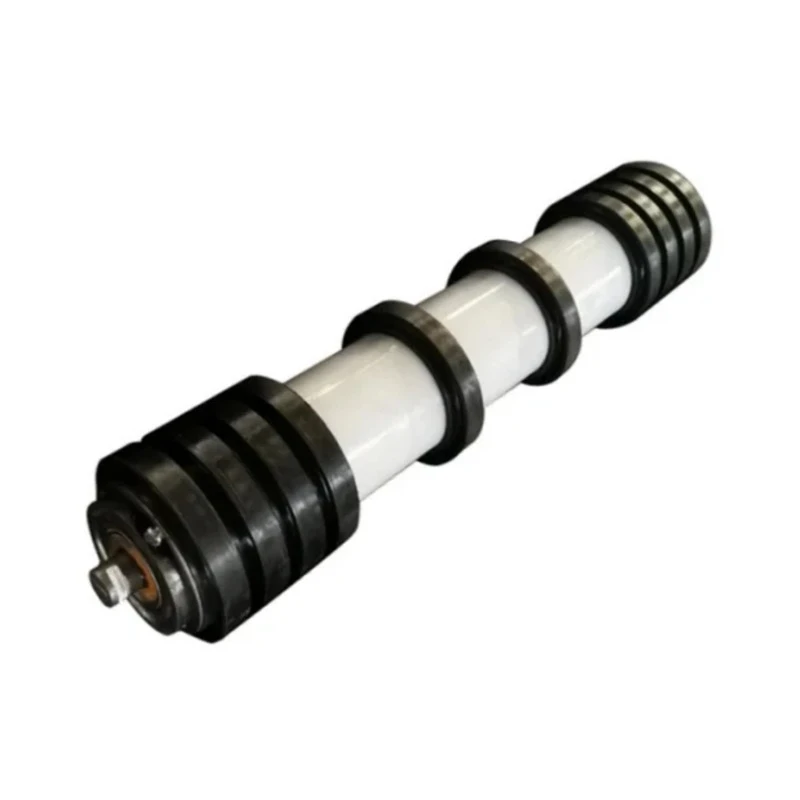

Now, let's talk about some of the different types of rollers that are related to friction rollers. There are Sleeve Roller/Comb Roller and Impact Roller. Sleeve rollers and comb rollers are often used in conveyor systems. They can work in conjunction with friction rollers to improve the overall performance of the conveyor. Sleeve rollers can provide additional support and smoothness to the belt movement, while comb rollers can help clean the belt and prevent debris from building up. Impact rollers, on the other hand, are designed to absorb shocks. In metalworking, there can be a lot of sudden impacts, for example, when a heavy metal piece is dropped onto a conveyor. Impact rollers can protect the conveyor and other components from damage by absorbing these shocks.
When it comes to choosing the right friction rollers for your metalworking machine, there are a few things to consider. The material of the roller is very important. As I mentioned earlier, different materials have different properties. Rubber rollers offer high friction and are good for applications where a lot of grip is needed. Polyurethane rollers are more durable and resistant to wear and tear, making them suitable for long - term use. Metal rollers are strong and can handle high loads, but they might have lower friction compared to rubber or polyurethane.
The size and diameter of the roller also matter. A larger diameter roller can provide more torque and is better for moving heavy metal parts. Smaller diameter rollers are more suitable for applications where space is limited or where you need more precise speed control.
The surface finish of the roller is another factor. A smooth surface finish can reduce friction in some cases, while a textured surface can increase it. Depending on your specific requirements, you can choose the right surface finish for your friction roller.
As a friction roller supplier, I've seen firsthand how important these components are in metalworking machines. They're not just simple parts; they're essential for the efficient and accurate operation of the entire machine. If you're in the metalworking industry and are looking for high - quality friction rollers, I'd love to have a chat with you. Whether you need help choosing the right type of roller for your specific machine or want to discuss your requirements in detail, I'm here to assist. You can reach out to me to start a conversation about your procurement needs.
In conclusion, friction rollers are incredibly versatile components in metalworking machines. They perform functions like power transmission, speed control, tensioning, alignment, and work in harmony with other types of rollers. Their proper selection and use can greatly enhance the performance and productivity of metalworking operations. So, if you're in the market for friction rollers, don't hesitate to get in touch and let's find the perfect solution for your metalworking machine.
References:
- General knowledge of metalworking machine components and their functions.
- Industry experience as a friction roller supplier.


