
What is the hardness of the polyurethane in a belt cleaner?
Hey there! I'm a supplier of Polyurethane Belt Cleaners, and today I wanna chat about something super important in our line of work - the hardness of the polyurethane in belt cleaners.
First off, let's understand what polyurethane is. Polyurethane is a versatile material that's used in a whole bunch of industries. In the case of belt cleaners, it's a game - changer. It's tough, durable, and has some really cool properties that make it ideal for keeping conveyor belts clean.
The hardness of polyurethane in a belt cleaner is measured on the Shore scale. There are different Shore scales, but the most common ones for belt cleaners are Shore A and Shore D. Shore A is used for softer polyurethanes, while Shore D is for harder ones.
So, why does the hardness matter? Well, it all boils down to the job the belt cleaner has to do. If you're dealing with a conveyor belt that moves light - duty materials like grains or powders, a softer polyurethane (Shore A range) might be the way to go. A softer polyurethane can conform better to the surface of the belt. It can get into those little nooks and crannies and pick up the fine particles that stick to the belt. It's like a gentle but effective cleaner that won't damage the belt itself.
On the other hand, if your conveyor belt is handling heavy - duty materials like rocks, ores, or large chunks of industrial waste, you'll probably need a harder polyurethane (Shore D range). A harder polyurethane can withstand the abrasion and impact that come with these tough materials. It won't wear down as quickly, and it can maintain its shape and cleaning efficiency over a longer period.

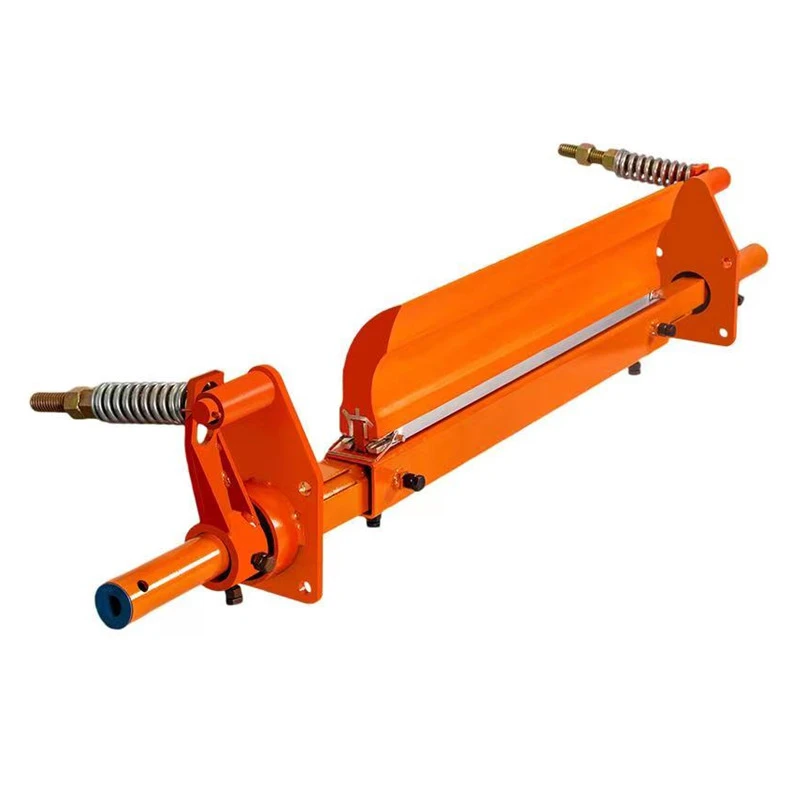
Let me give you an example. I had a client who was using a conveyor belt to move coal in a mine. At first, they were using a belt cleaner with a relatively soft polyurethane. They noticed that the cleaner was wearing out really fast. The coal was abrasive, and the soft polyurethane just couldn't take the beating. So, we switched them to a belt cleaner with a harder polyurethane on the Shore D scale. After that, the cleaner lasted much longer, and they were able to keep their conveyor belt clean without having to replace the cleaner as often.
Now, finding the right hardness isn't always a walk in the park. There are a few factors you need to consider. The type of material on the conveyor belt is a big one, as I've already mentioned. But you also need to think about the speed of the conveyor belt. A faster - moving belt might require a different hardness than a slower one. If the belt is moving really fast, a harder polyurethane can resist the forces better and stay in place.
The temperature of the environment is another factor. In high - temperature environments, the properties of polyurethane can change. A polyurethane that's just right at room temperature might become too soft or too brittle in extreme heat or cold. So, you need to choose a hardness that can withstand the temperature range of your working environment.
At our company, we've done a lot of research and testing to find the perfect hardness for different applications. We offer a range of Polyurethane Belt Cleaners with different hardness levels to suit various needs. Whether you're in the mining industry, the food processing industry, or any other industry that uses conveyor belts, we've got you covered.
If you're in the market for a new belt cleaner, you might also be interested in some of our other products. We have a great V - type Belt Cleaner that's designed to provide excellent cleaning performance. It uses a unique V - shaped design to effectively remove material from the belt. And if you're looking for something to protect your conveyor belt from impacts, our Impact Bed is a top - notch choice. It helps to reduce the damage caused by heavy materials hitting the belt.
Of course, our star product is the Polyurethane Belt Cleaner. With the right hardness, it can be a real workhorse for your conveyor system. It'll keep your belt clean, reduce downtime, and save you money in the long run.
If you're thinking about upgrading your belt cleaning system or just want to learn more about the hardness of polyurethane in belt cleaners, don't hesitate to get in touch. We're here to help you find the best solution for your specific needs. Whether you're a small - scale operation or a large industrial plant, we can offer expert advice and high - quality products. Just reach out, and we'll start the conversation about how we can improve your conveyor belt cleaning process.
In conclusion, the hardness of the polyurethane in a belt cleaner is a crucial factor that can make or break the performance of your conveyor system. By understanding the different hardness levels and how they relate to your specific application, you can make an informed decision and choose the right belt cleaner for your needs. So, take the time to evaluate your requirements, and if you need any help, we're just a message away.
References
- "Polyurethane Materials in Industrial Applications" - A research paper on the properties and uses of polyurethane in various industries.
- "Conveyor Belt Cleaning Best Practices" - A guidebook that discusses the importance of choosing the right belt cleaner and the role of material hardness.


