
The noise level of an impact roller during operation is an important aspect that concerns many construction professionals, environmentalists, and project managers. As a supplier of impact rollers, I have had numerous inquiries regarding this matter. In this blog, I will delve into the factors influencing the noise level of an impact roller, the typical noise levels, and how we address noise - related concerns as a supplier.
Factors Influencing the Noise Level of an Impact Roller
Design and Structure
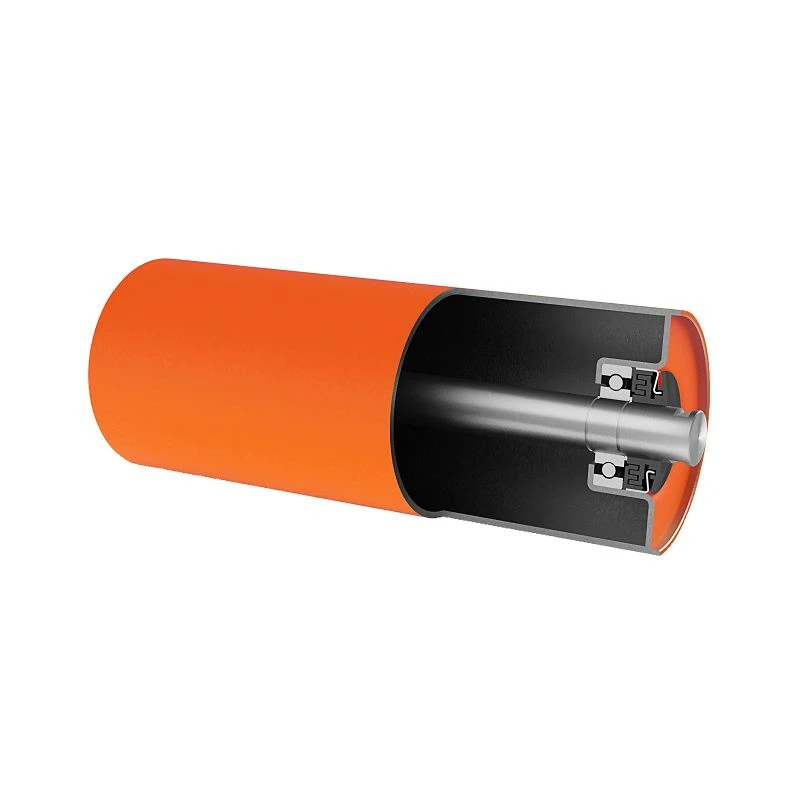
The design of an impact roller plays a crucial role in determining its noise output. Impact rollers come in various shapes and configurations. For instance, the number of tamping feet and their arrangement on the roller can affect the noise. A roller with more tamping feet may produce a different noise pattern compared to one with fewer feet. The material used in the construction of the roller also matters. High - quality steel, which is commonly used, can absorb and dissipate energy in a way that influences the noise level. Steel rollers, such as the ones described in Steel Roller, are known for their durability and can have a unique noise signature during operation.
Operating Conditions
The ground conditions where the impact roller is used significantly impact the noise level. When working on hard, compacted surfaces, the impact energy from the roller is transferred differently compared to soft or loose soils. On hard ground, the roller may produce louder and more distinct impact noises as the energy is reflected back more forcefully. In contrast, on soft ground, the soil can absorb some of the impact energy, resulting in a relatively lower noise level. Additionally, the speed at which the impact roller operates also affects the noise. Higher speeds generally lead to more frequent impacts and, therefore, a higher overall noise level.
Maintenance and Wear
The state of maintenance of the impact roller is another key factor. A well - maintained roller with properly lubricated parts and tight connections is likely to produce less noise. Over time, wear and tear can cause components to loosen or develop irregularities. For example, a worn - out bearing can create additional rattling or grinding noises during operation. Regular maintenance checks, including inspections of the tamping feet, axles, and other moving parts, are essential to keep the noise level in check.
Typical Noise Levels of Impact Rollers
The noise level of an impact roller can vary widely depending on the factors mentioned above. In general, impact rollers can produce noise levels ranging from 80 to 110 decibels (dB) at a distance of 1 meter from the roller. At 80 dB, the noise is comparable to a busy city street, while 110 dB is similar to the noise level of a chainsaw. These high noise levels can be a concern, especially in areas where noise pollution regulations are strict, such as residential neighborhoods or near schools and hospitals.
To put these noise levels into perspective, the World Health Organization (WHO) recommends that continuous exposure to noise levels above 70 dB over a prolonged period can cause hearing damage. Therefore, it is crucial for operators of impact rollers to take appropriate measures to reduce the impact of the noise on both the environment and the health of workers.
Addressing Noise - Related Concerns as a Supplier
Noise - Reduction Design Features
As a supplier, we are constantly looking for ways to reduce the noise level of our impact rollers. One approach is to incorporate noise - reduction design features. For example, we use advanced damping materials in the construction of the roller to absorb and dissipate the impact energy, thereby reducing the noise output. We also optimize the shape and arrangement of the tamping feet to minimize the impact noise. By carefully designing the roller, we can achieve a balance between high - performance compaction and low noise levels.
Operator Training
We provide comprehensive operator training programs that include guidance on reducing noise levels during operation. Operators are taught to adjust the operating speed and pressure according to the ground conditions to minimize unnecessary noise. They are also trained to perform regular maintenance checks to ensure that the roller is in optimal condition. By educating our customers' operators, we can help them operate the impact rollers in a more noise - friendly manner.
Compliance with Regulations
We are committed to ensuring that our impact rollers comply with all relevant noise pollution regulations. Our engineering team closely monitors the development of noise standards in different regions and countries and makes necessary adjustments to our products. By meeting or exceeding these regulations, we not only provide a more environmentally friendly product but also help our customers avoid potential legal issues.
Comparison with Other Types of Rollers
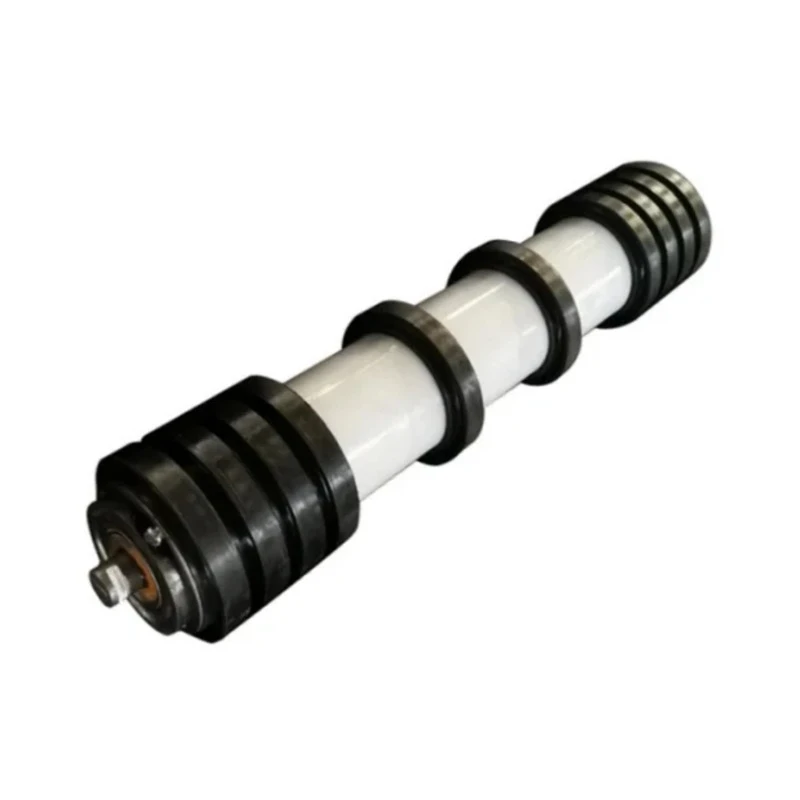
It is also interesting to compare the noise levels of impact rollers with other types of rollers, such as sleeve rollers/comb rollers and spiral rollers. Sleeve rollers/comb rollers, as described in Sleeve Roller/Comb Roller, and spiral rollers, detailed in Spiral Roller, have different operating mechanisms and are used for different applications.
Sleeve rollers/comb rollers are typically used in belt conveyor systems and are designed to support and guide the conveyor belt. Their noise levels are generally lower compared to impact rollers as they do not involve the same high - energy impact forces. Spiral rollers, on the other hand, are used to clean and align conveyor belts. They also produce relatively low noise levels due to their smooth rotation and the absence of large - scale impact operations.
The Importance of Noise Management in Construction Projects
Noise management is an integral part of any construction project. High noise levels from impact rollers can have several negative impacts. Firstly, it can cause annoyance and discomfort to nearby residents and workers. Prolonged exposure to high - level noise can also lead to hearing loss and other health problems among workers. Secondly, excessive noise can result in complaints from the public, which may lead to project delays and additional costs for noise - reduction measures. Therefore, effective noise management is not only beneficial for the environment and public health but also for the smooth progress of construction projects.
Contact Us for More Information
If you are in the market for an impact roller and have concerns about noise levels, we are here to help. Our team of experts can provide you with detailed information about the noise characteristics of our products, as well as offer solutions to meet your specific noise - reduction requirements. Whether you are working on a large - scale infrastructure project or a small - scale construction site, we can offer the right impact roller for your needs. Contact us to start a discussion about your project and explore how our impact rollers can provide efficient compaction while minimizing noise pollution.
References
- World Health Organization. Guidelines for community noise.
- Construction Equipment Handbook. A comprehensive guide to construction machinery noise levels.


