
Hey there! I'm a supplier of Steel Rollers, and today I wanna chat about whether there are any maintenance schedules for steel rollers.
First off, let's understand what steel rollers are. Steel rollers, like the ones you can check out Steel Roller, are widely used in various industries. They play a crucial role in conveyor systems, helping to move materials smoothly from one place to another. Whether it's in a manufacturing plant, a warehouse, or a mining operation, steel rollers are workhorses that keep things running.

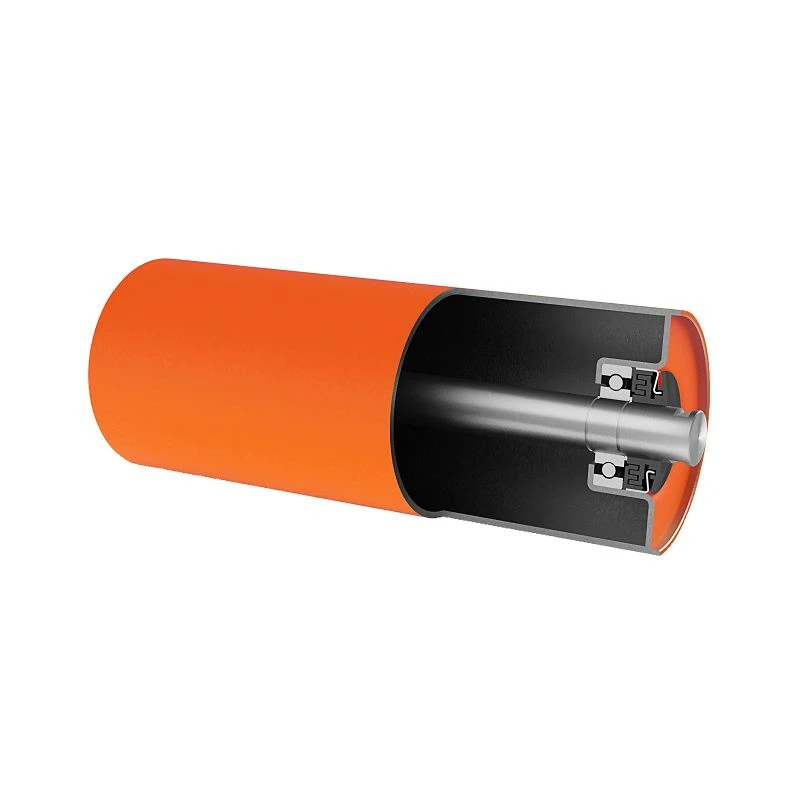
Now, the big question: do steel rollers need a maintenance schedule? The short answer is yes. Just like any other piece of equipment, steel rollers require regular maintenance to ensure they perform at their best and have a long lifespan.
Let's start with the basics. One of the most important aspects of maintaining steel rollers is keeping them clean. Over time, dirt, dust, and debris can accumulate on the surface of the rollers. This not only affects the efficiency of the conveyor system but can also cause premature wear and tear. So, a simple cleaning routine should be part of the maintenance schedule. You can use a mild detergent and a soft cloth to wipe down the rollers regularly. This helps to remove any build - up and keeps the rollers in good condition.
Another key factor is lubrication. Steel rollers have moving parts, and proper lubrication is essential to reduce friction. Friction can lead to heat generation, which in turn can damage the rollers and other components of the conveyor system. Depending on the type of steel roller and the operating conditions, you should lubricate the rollers at specific intervals. For example, in a high - speed conveyor system, you might need to lubricate the rollers more frequently than in a low - speed one.
Inspection is also a vital part of the maintenance schedule. Regularly inspect the steel rollers for any signs of damage, such as cracks, dents, or excessive wear. You can use visual inspection as well as tools like calipers to measure the diameter of the rollers. If you notice any issues, it's important to address them immediately. Ignoring small problems can lead to bigger and more expensive repairs down the line.
In addition to these basic maintenance tasks, there are other factors to consider. For instance, the environment in which the steel rollers operate can have a significant impact on their maintenance requirements. If the rollers are exposed to harsh chemicals, high humidity, or extreme temperatures, they may need more frequent maintenance.
Let's talk about different types of steel rollers and how their maintenance schedules might vary. We've already mentioned the standard Steel Roller. But there are also Spiral Roller. Spiral rollers have a unique design that helps to center the conveyor belt. Their maintenance might be a bit more complex because of their spiral shape. You need to pay special attention to the spiral grooves to make sure they are clean and free from any blockages.
Then there are High - Density Polyethylene Rollers. These rollers are made of a different material compared to traditional steel rollers. While they are more resistant to corrosion and wear in some cases, they still need proper maintenance. The cleaning and inspection processes are similar, but you need to be careful not to use abrasive cleaners that could damage the polyethylene surface.
Now, let's get into the details of creating a maintenance schedule. A good starting point is to consult the manufacturer's recommendations. The manufacturer usually provides guidelines on how often to perform different maintenance tasks based on the specific model of the steel roller. You can also take into account the operating hours of the conveyor system. For example, if the system runs 24/7, you'll need a more frequent maintenance schedule compared to a system that only operates a few hours a day.
It's also a good idea to keep a maintenance log. This log should record all the maintenance activities, including the date, the type of maintenance performed, and any observations or issues found during the inspection. This helps to track the history of the rollers and can be useful for predicting future maintenance needs.
In conclusion, having a maintenance schedule for steel rollers is essential. It helps to ensure the smooth operation of the conveyor system, reduces the risk of breakdowns, and extends the lifespan of the rollers. If you're in the market for high - quality steel rollers or need more advice on their maintenance, don't hesitate to reach out. Whether you're looking for standard steel rollers, spiral rollers, or high - density polyethylene rollers, we've got you covered. Contact us to start a conversation about your specific needs and let's find the best solution together.
References
- Manufacturer's manuals for steel rollers
- Industry best practices for conveyor system maintenance


