
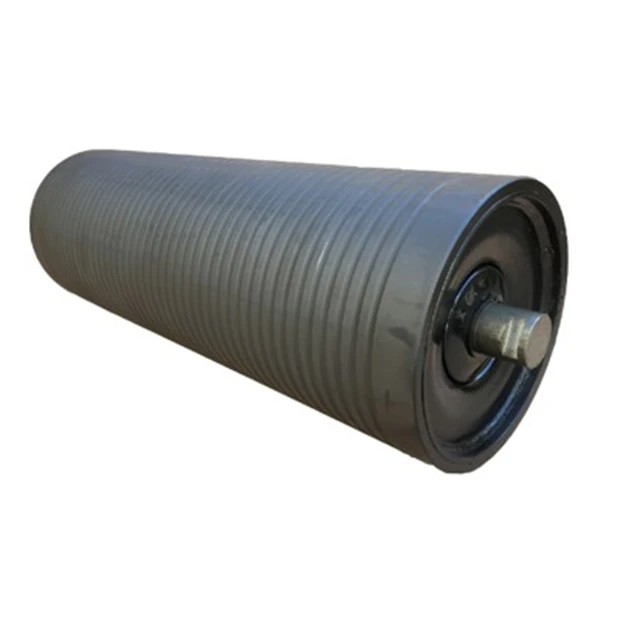
As a supplier of Spiral Rollers, I've encountered numerous inquiries from clients about safety precautions when using these essential components in belt conveyor systems. Spiral Rollers play a crucial role in guiding and centering conveyor belts, ensuring smooth and efficient operation. However, like any industrial equipment, they require proper handling and maintenance to guarantee safety in the workplace. In this blog post, I'll share some important safety precautions that you should keep in mind when using Spiral Rollers.
Pre - installation Safety Checks
Before installing a Spiral Roller, it's essential to conduct a thorough inspection of the roller and the surrounding conveyor system. First, check the roller for any visible damage, such as cracks, dents, or deformities. A damaged roller can cause uneven belt tracking, leading to belt wear and potential safety hazards. Inspect the bearings as well; they should rotate smoothly without any signs of excessive play or noise. If you notice any issues, replace the roller or the bearings immediately.
Next, examine the conveyor frame and the mounting points. Ensure that the frame is sturdy and properly aligned. Any misalignment can put additional stress on the Spiral Roller, increasing the risk of failure. The mounting points should be clean and free of debris, and they should be able to support the weight of the roller and the belt. Make sure that all bolts and fasteners are tightened to the recommended torque specifications to prevent the roller from coming loose during operation.
Installation Safety
When installing a Spiral Roller, always follow the manufacturer's instructions. Wear appropriate personal protective equipment (PPE), including safety glasses, gloves, and steel - toed boots. Use the correct tools for the job, such as wrenches and screwdrivers of the appropriate size.
Lifting the roller safely is crucial. If the roller is heavy, use a hoist or a forklift to lift it into place. Make sure that the lifting equipment is in good working condition and that the load is balanced. When positioning the roller on the conveyor frame, be careful not to pinch your fingers or hands between the roller and the frame.
Once the roller is in place, double - check the alignment. The Spiral Roller should be parallel to the conveyor belt and perpendicular to the frame. Incorrect alignment can cause the belt to drift to one side, leading to belt damage and potential safety issues. After installation, run the conveyor at a low speed for a short period to ensure that the roller is functioning properly.
Operational Safety
During normal operation, regularly monitor the Spiral Roller for any signs of abnormal behavior. Listen for unusual noises, such as squealing or grinding, which could indicate a problem with the bearings or the roller surface. Check the belt tracking frequently; if the belt starts to drift, adjust the Spiral Roller as needed. However, never attempt to make adjustments while the conveyor is running. Always stop the conveyor, lock out the power source, and follow the proper procedures for making adjustments.
Keep the area around the conveyor and the Spiral Roller clean. Remove any debris, such as dust, dirt, or spilled materials, as they can accumulate on the roller and affect its performance. Regularly inspect the roller for signs of excessive wear. If the roller surface is worn beyond the recommended limit, replace it promptly to prevent belt damage and potential safety hazards.
Maintenance Safety
Proper maintenance is essential for the safe and efficient operation of Spiral Rollers. When performing maintenance tasks, always follow the manufacturer's maintenance schedule. This typically includes tasks such as lubricating the bearings, inspecting the roller surface, and checking the alignment.
Before starting any maintenance work, shut down the conveyor, lock out the power source, and tag it to prevent accidental startup. Wear appropriate PPE, including gloves and safety glasses. When lubricating the bearings, use the recommended lubricant and apply it in the correct amount. Over - lubrication can cause the lubricant to leak onto the belt, which can be a safety hazard.
If you need to replace a Spiral Roller, follow the same safety procedures as during installation. Make sure that the replacement roller is the correct size and type for your conveyor system. After replacement, run the conveyor at a low speed to ensure that the new roller is functioning properly.
Complementary Roller Products
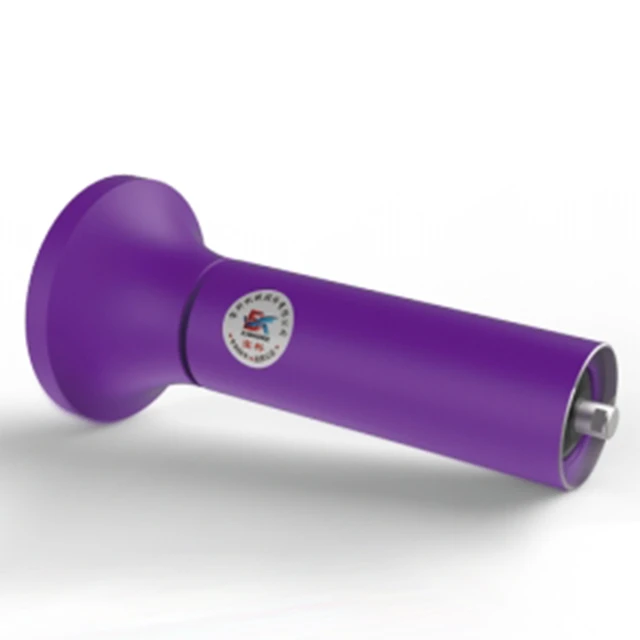
In addition to Spiral Rollers, our company also offers a range of complementary products that can enhance the performance and safety of your conveyor system. For example, the Friction Adjustable Centering Roller allows you to adjust the friction between the roller and the belt, providing better control over belt tracking. The Low Noise Rubber Lagged Roller is designed to reduce noise levels during operation, creating a more comfortable and safer working environment. And the No Power Idler can support the belt and reduce the load on the drive system, improving the overall efficiency of the conveyor.
Conclusion
Using Spiral Rollers safely requires a combination of proper installation, regular monitoring, and routine maintenance. By following these safety precautions, you can ensure the safe and efficient operation of your conveyor system, reduce the risk of accidents, and extend the lifespan of your Spiral Rollers.
If you're interested in learning more about our Spiral Rollers or any of our other conveyor roller products, or if you have any questions about safety precautions, we encourage you to contact us for a detailed discussion. Our team of experts is ready to assist you in finding the right solutions for your specific needs.
References
- Manufacturer's installation and operation manuals for Spiral Rollers.
- Industrial safety standards and guidelines related to conveyor systems.


