
Can friction rollers be used in a robotic arm? That's a question I've been asked a bunch lately, and as a friction roller supplier, I'm more than happy to dive into it.
First off, let's talk about what friction rollers are. Friction rollers are basically cylindrical components that use friction to transfer power or motion. They're made from different materials like rubber, plastic, or metal, and their surface characteristics can be tweaked to get the right amount of friction for a specific job.
Now, when it comes to robotic arms, they've got a wide range of applications, from manufacturing and assembly to material handling and even surgery. Each application has its own set of requirements, like precision, strength, and flexibility. So, can friction rollers fit the bill?
One of the big advantages of using friction rollers in a robotic arm is the smooth and precise motion they can provide. Unlike some other methods of power transmission, like gears or belts, friction rollers can offer a more continuous and controlled movement. This is super important in applications where you need to handle delicate objects or perform precise tasks. For example, in a robotic arm used for assembling small electronic components, the smooth motion of friction rollers can help prevent damage to the parts and ensure accurate placement.
Another benefit is the simplicity of the design. Friction rollers are relatively easy to install and maintain compared to more complex mechanical systems. They don't have a lot of moving parts, which means there's less that can go wrong. This can lead to lower maintenance costs and less downtime for the robotic arm.
Friction rollers can also be a good choice when it comes to noise reduction. In a factory environment, a noisy robotic arm can be a real nuisance, not to mention a safety hazard. Friction rollers operate quietly, which can make the workplace more comfortable and safer for workers.
But it's not all sunshine and rainbows. There are some challenges to using friction rollers in a robotic arm. One of the main issues is the limited load capacity. Friction rollers rely on the friction between the roller and the surface it's in contact with to transfer power. If the load is too heavy, the rollers can slip, which can lead to inaccurate motion and even damage to the system. So, in applications where the robotic arm needs to lift or move heavy objects, friction rollers might not be the best option.
Another challenge is the wear and tear on the rollers. Over time, the constant friction can cause the surface of the rollers to wear down, which can affect their performance. This means that the rollers may need to be replaced more frequently, which can add to the operating costs.
The environmental conditions can also have an impact on the performance of friction rollers. For example, in a dusty or dirty environment, the dust and debris can get between the rollers and the surface, reducing the friction and causing the rollers to slip. In a wet or humid environment, the rollers can corrode, which can also affect their performance.
So, when should you consider using friction rollers in a robotic arm? If you're working on an application that requires smooth, precise motion, low noise, and a relatively simple design, friction rollers could be a great choice. Some examples of such applications include pick-and-place operations in a cleanroom environment, where the smooth motion and low noise are important, or in a robotic arm used for painting or spraying, where the precise control of the motion is crucial.
On the other hand, if you need to handle heavy loads or operate in harsh environmental conditions, you might want to look for alternative solutions. For example, you could consider using gears or hydraulic systems, which are better suited for high-load applications.
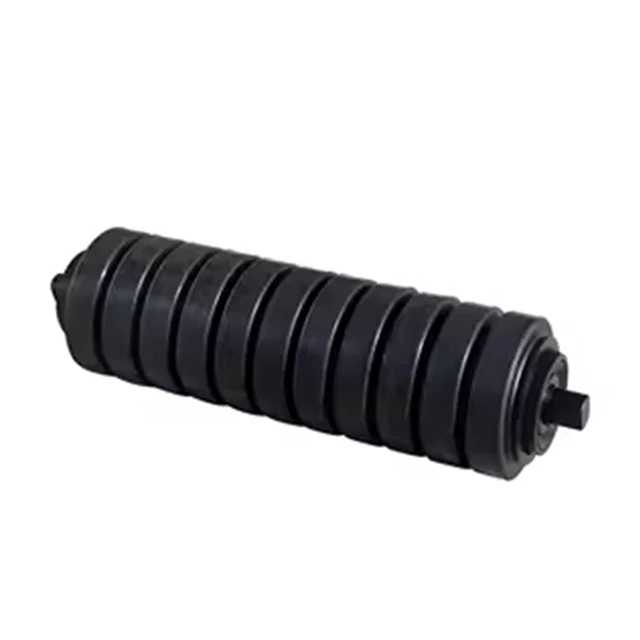
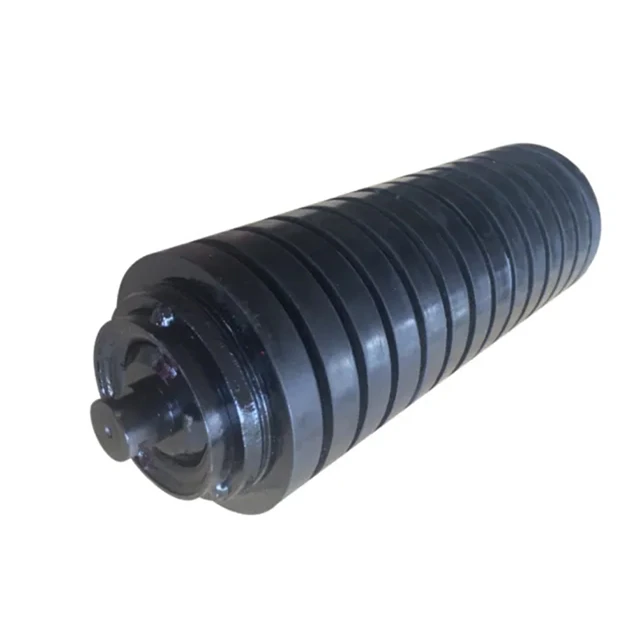
If you're still not sure whether friction rollers are the right choice for your robotic arm, I'd be happy to help. As a friction roller supplier, I've got a lot of experience in this area and can provide you with more detailed information and advice. We also offer a wide range of friction rollers, including Belt Conveyor Plain Rollers, Heavy Duty Rubber Ring Cushion Buffer Idler, and Rubber Ring Cushion Idler, which can be customized to meet your specific requirements.
If you're interested in learning more about our products or discussing your project, don't hesitate to get in touch. We're always happy to have a chat and see how we can help you find the best solution for your robotic arm. Whether you're a small startup or a large manufacturing company, we've got the expertise and the products to meet your needs.
In conclusion, friction rollers can be a viable option for some robotic arm applications, but they're not a one-size-fits-all solution. It's important to carefully consider the requirements of your specific application and weigh the pros and cons before making a decision. If you have any questions or need more information, feel free to reach out. I'm here to help you make the right choice for your robotic arm.
References
- "Robotics: Modelling, Planning and Control" by Bruno Siciliano, Lorenzo Sciavicco, Luigi Villani, and Giuseppe Oriolo
- "Mechanical Design Handbook: Measurement, Instrumentation, and Sensors" by Myer Kutz


