
Hey there! As a supplier of Friction Rollers, I've been getting a bunch of questions lately about whether friction rollers can be used in conveyor systems. So, I thought I'd take a deep dive into this topic and share my thoughts with you all.
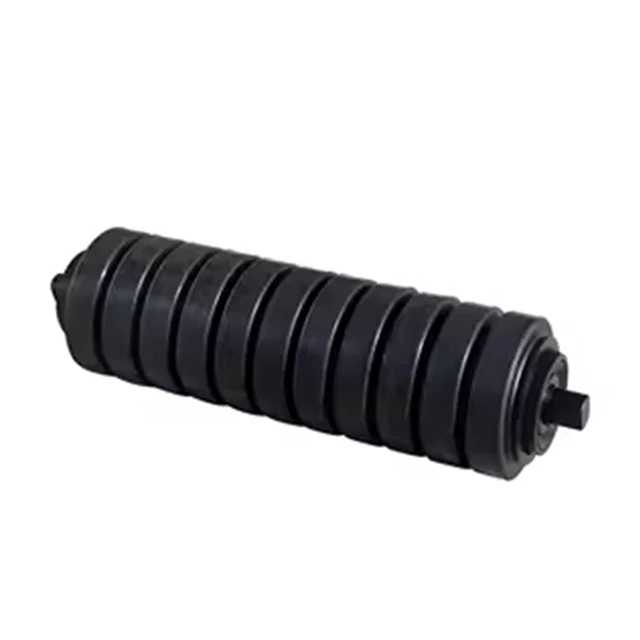
First off, let's talk a bit about what friction rollers are. Friction rollers are cylindrical components that use friction to transfer power or motion. They're typically made of materials like rubber, plastic, or metal, and they can be found in all sorts of applications, from small machinery to large industrial systems. You can learn more about them here: Friction Roller.
Now, can these friction rollers be used in conveyor systems? The answer is a resounding yes! In fact, they have several advantages that make them a great choice for certain conveyor applications.
Advantages of Using Friction Rollers in Conveyor Systems
1. Gentle Handling of Materials
One of the main benefits of friction rollers is their ability to handle delicate or fragile materials gently. Because the power transfer is based on friction, there's less chance of causing damage to the products being transported on the conveyor. For example, in a food processing plant where you're moving fragile pastries or freshly baked goods, friction rollers ensure that the items stay intact and undamaged throughout the conveying process.
2. High Traction
Friction rollers provide excellent traction, which is crucial for conveyor systems. They can grip the conveyor belt firmly, reducing the risk of slipping. This is especially important in applications where the conveyor needs to operate at high speeds or when carrying heavy loads. For instance, in a mining operation where large chunks of ore are being transported, the high traction of friction rollers ensures that the conveyor belt can move these heavy materials smoothly without any hiccups.
3. Customizable Friction
Another great thing about friction rollers is that the amount of friction can be customized. By choosing the right material and surface finish for the rollers, you can adjust the friction to suit the specific requirements of your conveyor system. If you need more friction to move a heavy load, you can opt for a rubber-coated roller with a rough surface. On the other hand, if you're dealing with a light load and need a smoother operation, a roller with a lower friction coefficient can be used.
4. Low Noise and Vibration
Compared to some other types of conveyor components, friction rollers tend to generate less noise and vibration. This is a big plus in environments where noise pollution is a concern, such as in a hospital or a library. The smooth operation of friction rollers means that there's less jarring and rattling, creating a more pleasant and quiet working environment.

Applications of Friction Rollers in Conveyor Systems
1. Packaging Industry
In the packaging industry, conveyor systems are used to move products from one stage of the packaging process to another. Friction rollers are ideal for this application because they can handle a wide variety of package sizes and shapes. They can gently move boxes, bottles, and even irregularly shaped items without causing any damage. For example, in a beverage bottling plant, friction rollers can be used to transport bottles from the filling machine to the labeling and packaging stations.
2. E-commerce Warehouses
With the growth of e-commerce, warehouses are constantly looking for more efficient ways to handle and sort packages. Friction rollers can play a key role in these conveyor systems. They can be used to move packages along the conveyor belts, and their high traction ensures that the packages don't slip or fall off. Additionally, the customizable friction allows for precise control of the package movement, which is essential for accurate sorting.
3. Automotive Manufacturing
In the automotive manufacturing industry, conveyor systems are used to move car parts and components throughout the assembly line. Friction rollers can be used to transport heavy engine blocks, body panels, and other large parts. Their ability to handle heavy loads and provide gentle handling makes them a great choice for this high-volume and precision-driven industry.
Considerations When Using Friction Rollers in Conveyor Systems
While friction rollers have many advantages, there are also a few things to consider before using them in your conveyor system.
1. Wear and Tear
Friction rollers are subject to wear and tear over time, especially if they're used in high-load or high-speed applications. The friction between the roller and the conveyor belt can cause the surface of the roller to wear down, which can affect its performance. To minimize wear, it's important to choose high-quality rollers and to perform regular maintenance, such as cleaning and lubrication.
2. Compatibility with the Conveyor Belt
The friction rollers need to be compatible with the type of conveyor belt being used. Different conveyor belts have different surface properties, and the rollers need to be able to provide sufficient traction without causing excessive wear on the belt. It's important to consult with a conveyor system expert or the roller manufacturer to ensure that the rollers are the right fit for your belt.
3. Environmental Conditions
The environmental conditions in which the conveyor system operates can also affect the performance of the friction rollers. For example, if the conveyor is located in a dusty or dirty environment, the dust can accumulate on the rollers and reduce their friction. In a wet or humid environment, the rollers may need to be made of a material that is resistant to corrosion.
Other Types of Conveyor Rollers
In addition to friction rollers, there are other types of rollers that can be used in conveyor systems. Two popular options are Rubber Ring Cushion Idler and Rubber Spiral Roller Idler.
The Rubber Ring Cushion Idler is designed to protect the conveyor belt from impact and reduce vibration. It has rubber rings on the surface that act as cushions, providing a smooth and stable ride for the belt. This type of idler is often used in applications where the conveyor is carrying heavy or sharp-edged materials.
The Rubber Spiral Roller Idler, on the other hand, is used to clean the conveyor belt and prevent material buildup. The spiral design of the roller helps to move the material away from the belt, keeping it clean and reducing the risk of belt damage. This type of idler is commonly used in industries such as mining and agriculture.
Conclusion
So, can friction rollers be used in conveyor systems? Absolutely! They offer many advantages, including gentle handling of materials, high traction, customizable friction, and low noise and vibration. However, it's important to consider factors such as wear and tear, compatibility with the conveyor belt, and environmental conditions before using them.
If you're thinking about using friction rollers in your conveyor system or need more information about our products, don't hesitate to reach out. We're here to help you find the right solution for your specific needs. Whether you're in the packaging industry, an e-commerce warehouse, or automotive manufacturing, we've got the expertise and the high-quality friction rollers to make your conveyor system run smoothly. Contact us today to start a discussion about your procurement needs and let's work together to find the perfect fit for your business.
References
- Smith, J. (2022). Conveyor Systems: Design and Applications. Industrial Press.
- Brown, A. (2021). Handbook of Conveyor Technology. CRC Press.


