
Hey there! As a supplier of Impact Beds, I often get asked a bunch of questions about their applications. One query that pops up quite frequently is, "Can Impact Beds be used in inclined conveyors?" Well, let's dig into this topic and find out.
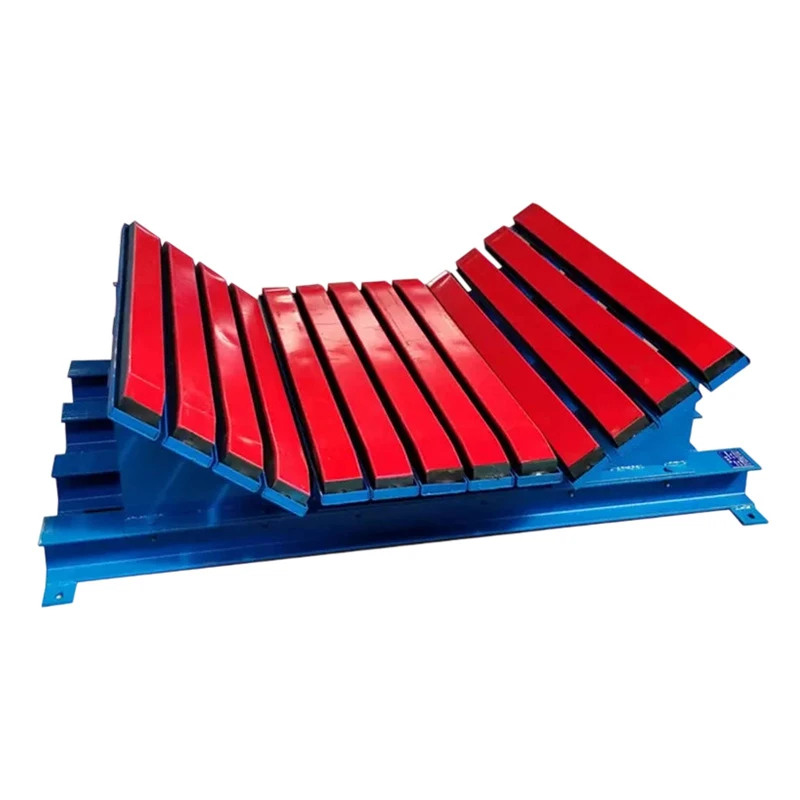
First off, let's understand what Impact Beds are. Impact Beds are crucial components in conveyor systems. They are designed to support the conveyor belt at loading points, absorbing the impact of the material being loaded onto the belt. This helps to reduce belt wear and tear, prevent belt damage, and ensure a smooth and efficient operation of the conveyor system. You can learn more about Impact Beds here: Impact Bed.
Now, when it comes to inclined conveyors, things get a bit more interesting. Inclined conveyors are used to move materials from one level to another, and they face unique challenges compared to horizontal conveyors. The angle of inclination, the type of material being conveyed, and the speed of the conveyor all play a role in determining whether Impact Beds can be effectively used.
One of the main concerns with using Impact Beds in inclined conveyors is the potential for material spillage. When the conveyor is inclined, the force of gravity can cause the material to slide or roll down the belt, especially if the loading is not properly controlled. Impact Beds can help mitigate this issue by providing a stable support surface for the belt, reducing the chances of the belt sagging and allowing material to spill. However, it's important to choose the right type of Impact Bed for the specific application.
Another factor to consider is the impact force exerted on the Impact Bed. In an inclined conveyor, the material may have a greater momentum as it is loaded onto the belt due to the effect of gravity. This means that the Impact Bed needs to be able to withstand higher impact forces compared to a horizontal conveyor. Our Impact Beds are designed with high - quality materials and advanced engineering to handle these increased forces. They are built to last and provide reliable performance even in demanding inclined conveyor applications.
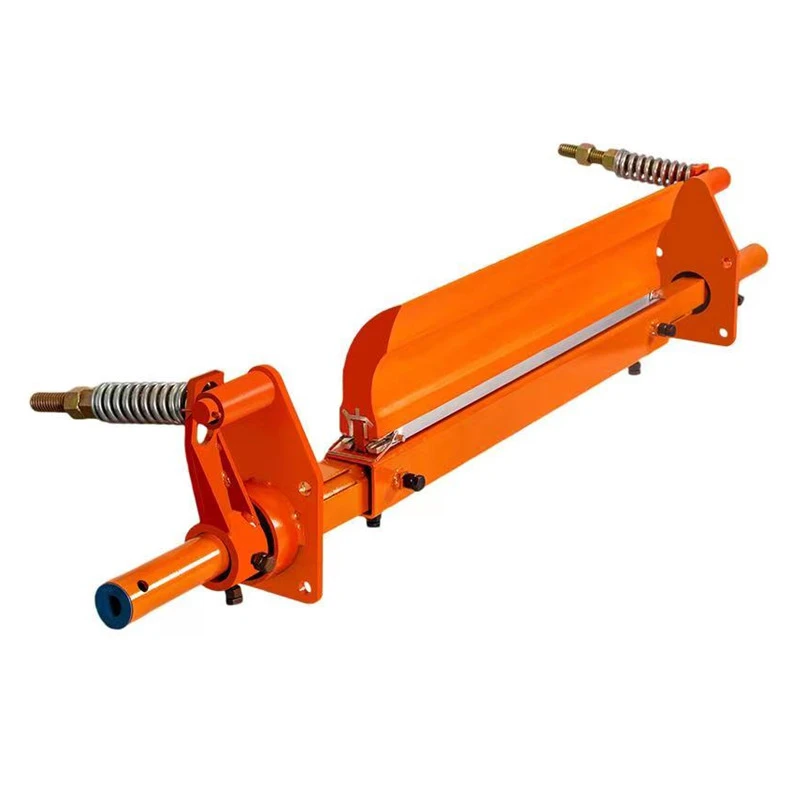
The type of material being conveyed also matters. If the material is abrasive, sticky, or has irregular shapes, it can pose additional challenges for the Impact Bed. For example, abrasive materials can wear down the Impact Bed's surface over time, while sticky materials may accumulate on the bed, affecting its performance. In such cases, we may recommend using additional components like Polyurethane Belt Cleaner or Carbide Belt Cleaner to keep the belt and the Impact Bed clean and functioning properly.
Let's talk about installation. Installing Impact Beds in inclined conveyors requires careful planning. The angle of the conveyor needs to be taken into account to ensure that the Impact Bed is installed at the correct position and angle. Improper installation can lead to uneven loading on the belt, increased wear, and reduced efficiency. Our team of experts can provide guidance on the proper installation of Impact Beds in inclined conveyors to ensure optimal performance.
In terms of maintenance, Impact Beds in inclined conveyors may require more frequent inspections compared to those in horizontal conveyors. The increased forces and potential for material build - up can cause parts to wear out faster. Regular inspections can help identify any issues early on, such as worn - out impact bars or loose fasteners, and allow for timely repairs or replacements.
Now, let's look at some real - world examples. There are many industries that use inclined conveyors, such as mining, agriculture, and manufacturing. In the mining industry, inclined conveyors are used to transport ore from underground mines to the surface or between different processing stages. Our Impact Beds have been successfully used in numerous mining operations with inclined conveyors. They have helped reduce downtime due to belt damage and material spillage, resulting in significant cost savings for the mining companies.
In the agriculture industry, inclined conveyors are used to move grains, fruits, and vegetables. The gentle handling provided by our Impact Beds helps prevent damage to the produce, ensuring that it reaches its destination in good condition. And in the manufacturing industry, inclined conveyors are used to transfer parts and products between different workstations. Our Impact Beds provide a stable platform for the conveyor belt, ensuring smooth and efficient production processes.
So, to answer the question, yes, Impact Beds can definitely be used in inclined conveyors. But it's important to consider all the factors mentioned above and choose the right solution for your specific needs. We have a wide range of Impact Beds available, and our team of experienced professionals can work with you to determine the best option for your inclined conveyor application.
If you're in the market for Impact Beds for your inclined conveyor system, or if you have any questions about our products, don't hesitate to reach out. We're here to help you find the perfect solution for your conveyor needs. Whether it's choosing the right Impact Bed, getting advice on installation and maintenance, or just having a chat about your conveyor system, we're ready to assist.
In conclusion, Impact Beds are a valuable addition to inclined conveyor systems. They can improve the efficiency, reliability, and longevity of the conveyor, while also reducing the risk of material spillage and belt damage. With our high - quality Impact Beds and expert support, you can be confident that your inclined conveyor will operate at its best.
References:
- Industry standards and guidelines for conveyor systems
- Internal research and development reports on Impact Bed performance
- Case studies from various industries using Impact Beds in inclined conveyors


