
Hey there! As a supplier of Return Flat Spiral Idlers, I've seen firsthand how the design of these idlers can have a huge impact on their performance. In this blog post, I'm gonna break down the key design elements of Return Flat Spiral Idlers and explain how they affect the overall performance.
The Basics of Return Flat Spiral Idlers
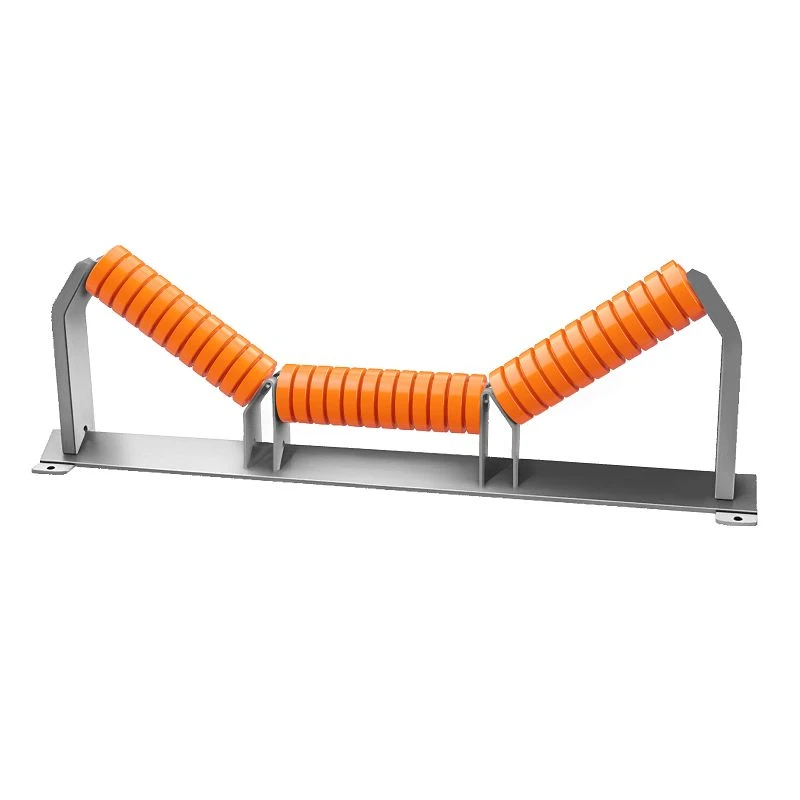
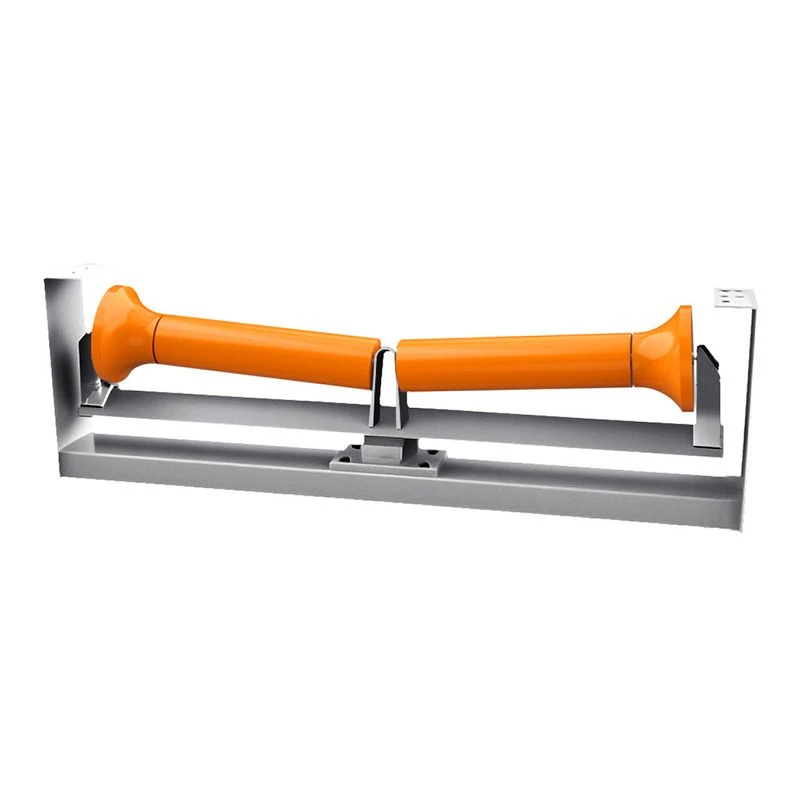
Before we dive into the design aspects, let's quickly go over what Return Flat Spiral Idlers are. These idlers are an essential part of belt conveyor systems. They're used on the return side of the conveyor belt to support and guide the belt back to the loading point. The spiral design of these idlers helps to keep the belt centered and reduces the chances of it跑偏 (oops, I meant running off - track).
Key Design Elements and Their Impact on Performance
Spiral Pitch
The spiral pitch is one of the most important design features of a Return Flat Spiral Idler. It refers to the distance between two consecutive spiral turns. A smaller spiral pitch means that the belt will be adjusted more frequently as it moves over the idler. This can be great for keeping the belt centered, especially in applications where the belt is prone to wandering.
On the other hand, a larger spiral pitch allows the belt to move more freely. This can be beneficial in situations where the belt needs to handle a lot of material or when there's a high - speed operation. If the pitch is too small in high - speed applications, it can cause excessive wear on the belt and the idler itself. So, choosing the right spiral pitch is crucial for optimizing the performance of the Return Flat Spiral Idler.
Idler Diameter
The diameter of the Return Flat Spiral Idler also plays a significant role in its performance. A larger diameter idler can support more weight and is less likely to deform under heavy loads. This is especially important in conveyor systems that handle large quantities of heavy materials.
Moreover, a larger diameter idler can reduce the bending stress on the belt. When the belt bends around a small - diameter idler, it experiences higher stress, which can lead to premature wear and tear. By using a larger diameter idler, we can extend the lifespan of the belt and improve the overall efficiency of the conveyor system.
Material Selection
The material used to make the Return Flat Spiral Idler is another factor that affects its performance. Common materials include steel, plastic, and rubber. Steel idlers are known for their strength and durability. They can withstand high loads and harsh operating conditions, making them a popular choice for heavy - duty applications.
Plastic idlers, on the other hand, are lightweight and corrosion - resistant. They're often used in food processing or chemical industries where hygiene and corrosion resistance are important. Rubber - coated idlers can provide better traction between the belt and the idler, which helps to prevent slippage and improve the alignment of the belt.
Bearing Design
The bearings in a Return Flat Spiral Idler are responsible for allowing the idler to rotate smoothly. A good bearing design can reduce friction and energy consumption. Sealed bearings are a great option as they can prevent dust and debris from entering the bearing, which can extend its lifespan.
In addition, the quality of the bearings also matters. High - quality bearings can handle higher loads and operate at higher speeds without overheating or failing. This is crucial for maintaining the performance of the Return Flat Spiral Idler in long - term operation.
Comparing with Other Types of Idlers
It's also interesting to compare Return Flat Spiral Idlers with other types of idlers in the market. For example, the Return Friction V - type Self - Aligning Idler uses a V - shaped design to align the belt. While it can be effective in some applications, the Return Flat Spiral Idler offers a more continuous adjustment of the belt position.
The Carrier Troughing Impact Idler is mainly used on the carrying side of the conveyor to absorb the impact of the material being loaded. In contrast, the Return Flat Spiral Idler focuses on guiding the belt on the return side.
The Return Guide Self - aligning Idler is another type of idler that helps to keep the belt centered. However, the spiral design of the Return Flat Spiral Idler provides a unique way of adjusting the belt, which can be more effective in certain situations.
Real - World Applications
In real - world applications, the performance of Return Flat Spiral Idlers can make a big difference. For example, in a mining operation, where conveyor systems are used to transport large amounts of ore, a well - designed Return Flat Spiral Idler can ensure that the belt runs smoothly and efficiently. This can reduce downtime and maintenance costs, which is a huge benefit for the mining company.
In a manufacturing plant, where conveyor belts are used to move products from one station to another, the proper alignment of the belt is crucial for the accuracy of the production process. A Return Flat Spiral Idler with the right design can help to maintain the belt's position, ensuring that the products are transported safely and accurately.
Conclusion
In conclusion, the design of a Return Flat Spiral Idler has a profound impact on its performance. From the spiral pitch and idler diameter to the material selection and bearing design, every aspect needs to be carefully considered to optimize the idler's performance.
If you're in the market for Return Flat Spiral Idlers or want to learn more about how they can improve your conveyor system, don't hesitate to reach out. We're here to help you find the best solution for your specific needs. Whether it's a small - scale operation or a large - scale industrial project, we've got the expertise and the products to meet your requirements. Let's have a chat and see how we can work together to enhance the performance of your conveyor system.
References
- Conveyor Belt Handbook, various editions
- Industry research reports on belt conveyor idlers


