
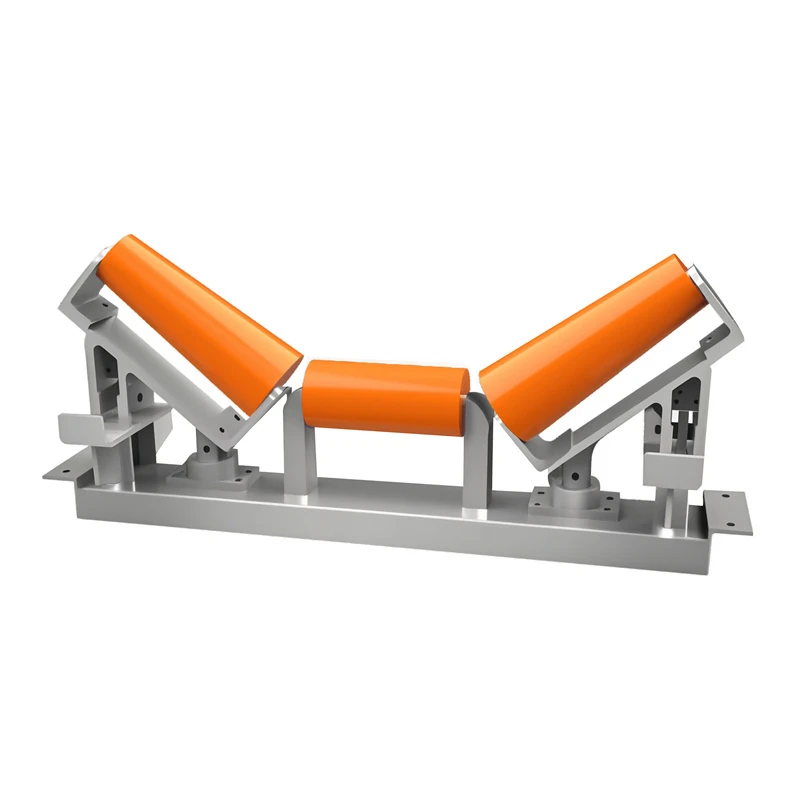
As a trusted supplier of Carrier Trough Idlers, I understand the critical role that proper belt tension adjustment plays in the efficient and reliable operation of conveyor systems. In this blog post, I will share some insights and practical tips on how to adjust the belt tension when using a Carrier Trough Idler.
Understanding the Importance of Belt Tension
Before delving into the adjustment process, it's essential to understand why belt tension is so crucial. Proper belt tension ensures that the conveyor belt runs smoothly, minimizes slippage, reduces wear and tear on the belt and idlers, and prevents material spillage. Incorrect tension, on the other hand, can lead to a host of problems, including belt mistracking, excessive power consumption, and premature component failure.
Tools and Equipment Needed
To adjust the belt tension on a conveyor system equipped with Carrier Trough Idlers, you will need the following tools and equipment:
- A tension gauge: This tool is used to measure the belt tension accurately. There are various types of tension gauges available, including spring-loaded and digital gauges.
- A wrench or socket set: You will need these tools to loosen and tighten the bolts on the take-up unit.
- A tape measure: This tool is used to measure the distance between the idlers and the take-up unit.
- Safety equipment: Always wear appropriate safety gear, such as gloves and safety glasses, when working on a conveyor system.
Step-by-Step Guide to Adjusting Belt Tension
The following is a step-by-step guide on how to adjust the belt tension when using a Carrier Trough Idler:
- Stop the conveyor system: Before making any adjustments, ensure that the conveyor system is completely stopped and the power is turned off. This will prevent any accidents or injuries.
- Locate the take-up unit: The take-up unit is responsible for adjusting the belt tension. It is usually located at the end of the conveyor or near the drive pulley.
- Measure the initial belt tension: Use a tension gauge to measure the initial belt tension at a specific point on the belt. Make sure to follow the manufacturer's instructions for using the tension gauge.
- Loosen the take-up bolts: Use a wrench or socket set to loosen the bolts on the take-up unit. This will allow you to adjust the position of the take-up unit.
- Adjust the take-up unit: Move the take-up unit in the appropriate direction to increase or decrease the belt tension. If the belt is too loose, move the take-up unit away from the drive pulley. If the belt is too tight, move the take-up unit towards the drive pulley.
- Measure the new belt tension: After adjusting the take-up unit, use the tension gauge to measure the new belt tension at the same point on the belt. Make sure the tension is within the recommended range specified by the conveyor manufacturer.
- Tighten the take-up bolts: Once you have achieved the desired belt tension, use a wrench or socket set to tighten the bolts on the take-up unit. Make sure the bolts are tightened securely.
- Check the belt alignment: After adjusting the belt tension, check the alignment of the belt on the Carrier Trough Idlers. The belt should run centered on the idlers and not rub against the sides of the trough.
- Start the conveyor system: Once you have completed all the adjustments, turn on the power and start the conveyor system. Observe the belt operation for a few minutes to ensure that it is running smoothly and there are no signs of slippage or mistracking.
Tips for Maintaining Proper Belt Tension
In addition to adjusting the belt tension regularly, there are several other tips you can follow to maintain proper belt tension and ensure the long-term performance of your conveyor system:
- Inspect the belt regularly: Check the belt for signs of wear, damage, or stretching. Replace the belt if necessary.
- Clean the idlers: Keep the Carrier Trough Idlers clean and free of debris. This will prevent the belt from slipping and reduce wear on the idlers.
- Lubricate the bearings: Lubricate the bearings on the idlers and the take-up unit regularly to reduce friction and prevent premature wear.
- Monitor the belt tension: Use a tension monitoring system to continuously monitor the belt tension and alert you if it falls outside the recommended range.
Related Products
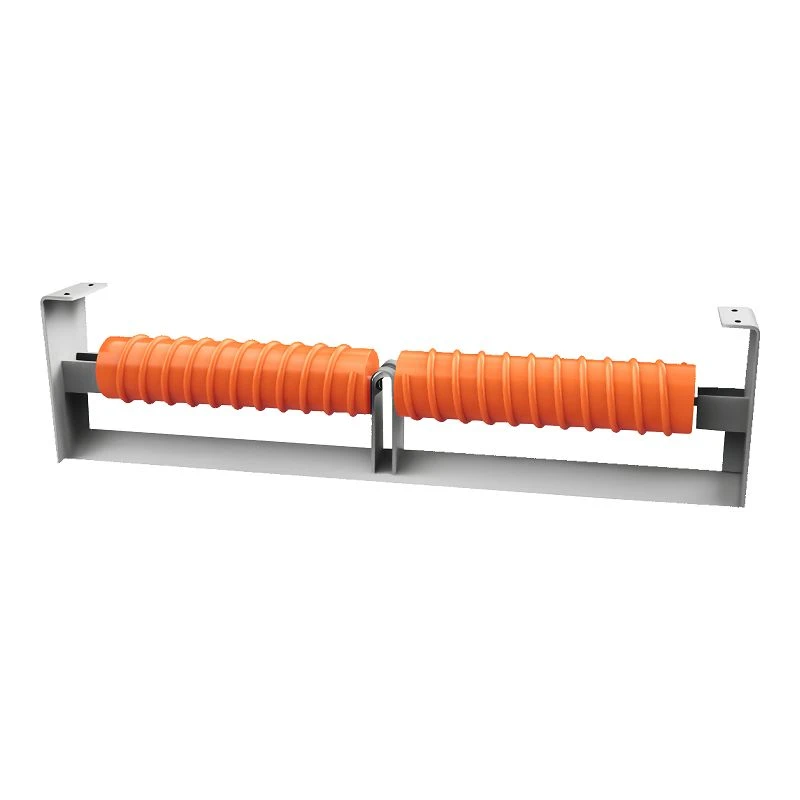
As a supplier of Carrier Trough Idlers, we also offer a range of other conveyor idlers, including Return Flat Spiral Idler, Carrier Taper Self-aligning Idler, and Return Guide Self-aligning Idler. These idlers are designed to improve the performance and reliability of your conveyor system and can be customized to meet your specific requirements.
Contact Us for Purchase and Negotiation
If you are interested in purchasing Carrier Trough Idlers or any of our other conveyor idlers, please feel free to contact us. Our team of experts will be happy to assist you with your purchase and provide you with the best possible solutions for your conveyor system. We look forward to working with you and helping you achieve optimal performance and efficiency in your operations.
References
- Conveyor Belt Handbook, published by the Conveyor Equipment Manufacturers Association (CEMA).
- Belt Conveyor Design Manual, published by the Bulk Materials Handling Society (BMHS).
- Manufacturer's manuals and technical specifications for Carrier Trough Idlers and other conveyor components.


