
Adjusting the pre - tension of a take - up pulley is a crucial task in the operation and maintenance of belt conveyor systems. As a professional take - up pulley supplier, I have witnessed firsthand the impact that proper pre - tension adjustment can have on the overall performance and longevity of a conveyor system. In this blog, I will share some in - depth knowledge and practical tips on how to adjust the pre - tension of a take - up pulley.
Understanding the Importance of Pre - tension in Take - up Pulleys
Before delving into the adjustment process, it is essential to understand why pre - tension is so important. The take - up pulley is responsible for maintaining the proper tension in the conveyor belt. Adequate pre - tension ensures that the belt remains in contact with the drive pulley, preventing slippage and ensuring efficient power transmission. It also helps to reduce belt sag, which can lead to material spillage and uneven wear on the belt.
Insufficient pre - tension can cause the belt to slip, resulting in reduced throughput, increased energy consumption, and premature wear of the belt and pulleys. On the other hand, excessive pre - tension can lead to increased stress on the belt, bearings, and other components, potentially causing premature failure. Therefore, finding the right balance is key to optimizing the performance of the conveyor system.
Tools and Equipment Required
To adjust the pre - tension of a take - up pulley, you will need the following tools and equipment:
- Measuring Tools: A tension meter or a spring scale can be used to measure the tension in the belt. Additionally, a ruler or a tape measure may be needed to measure the distance between the pulleys and the movement of the take - up pulley.
- Adjustment Tools: Depending on the type of take - up mechanism, you may need wrenches, bolts, or other tools to adjust the position of the take - up pulley.
- Safety Equipment: Always wear appropriate safety gear, such as gloves and safety glasses, when working on the conveyor system.
Step - by - Step Guide to Adjusting Pre - tension
The following steps outline a general process for adjusting the pre - tension of a take - up pulley:
Step 1: Stop the Conveyor System
Before making any adjustments, ensure that the conveyor system is completely stopped and locked out to prevent accidental startup. This is a critical safety measure to protect yourself and others from potential hazards.
Step 2: Inspect the Belt and Pulleys
Thoroughly inspect the conveyor belt and all pulleys, including the take - up pulley, for any signs of wear, damage, or misalignment. Check for frayed edges, cuts, or excessive wear on the belt surface. Inspect the pulleys for proper alignment and smooth rotation. If any issues are detected, address them before proceeding with the pre - tension adjustment.
Step 3: Determine the Target Tension
The target tension for the conveyor belt depends on several factors, such as the type of belt, the conveyor design, and the load being carried. Consult the belt manufacturer's specifications or the conveyor system's design documentation to determine the recommended tension range.
Step 4: Measure the Current Tension
Use a tension meter or a spring scale to measure the current tension in the belt. This will provide a baseline for the adjustment process. Make sure to take multiple measurements at different points along the belt to ensure accuracy.
Step 5: Adjust the Take - up Pulley
Depending on the type of take - up mechanism, there are different ways to adjust the position of the take - up pulley:
- Screw - Type Take - up: If the take - up mechanism uses a screw - type adjustment, use a wrench to turn the adjustment bolts. Turning the bolts in one direction will move the take - up pulley forward, increasing the tension, while turning them in the opposite direction will move the pulley backward, decreasing the tension.
- Gravity - Type Take - up: For gravity - type take - up systems, the tension is adjusted by adding or removing weights from the take - up assembly. Adding weights will increase the tension, while removing weights will decrease it.
- Hydraulic or Pneumatic Take - up: In hydraulic or pneumatic take - up systems, the tension is adjusted by controlling the pressure in the hydraulic or pneumatic cylinder. Use the appropriate control valves to increase or decrease the pressure as needed.
Step 6: Re - measure the Tension
After making an adjustment to the take - up pulley, re - measure the tension in the belt using the tension meter or spring scale. Compare the new measurement with the target tension range. If the tension is still not within the desired range, make further adjustments to the take - up pulley and repeat the measurement process until the target tension is achieved.
Step 7: Check Belt Alignment
Once the target tension is reached, check the alignment of the conveyor belt. The belt should run centered on the pulleys without any signs of drifting to one side. If the belt is misaligned, adjust the position of the take - up pulley or other pulleys as necessary to correct the alignment.

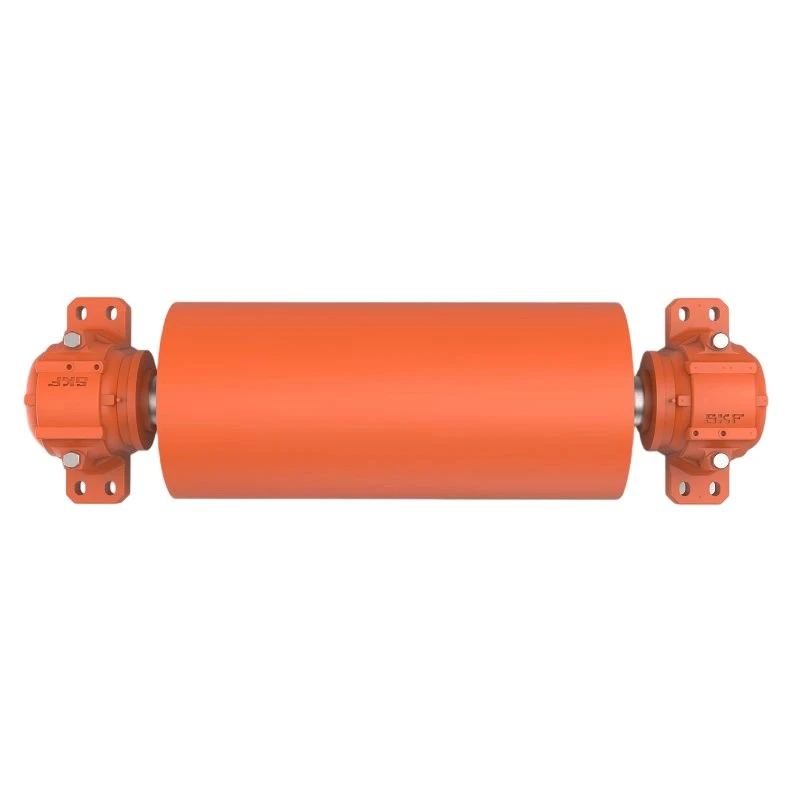
Step 8: Secure the Take - up Pulley
After the pre - tension adjustment and belt alignment are complete, securely fasten all adjustment bolts and locking mechanisms to prevent the take - up pulley from moving during operation.
Common Challenges and Troubleshooting
During the pre - tension adjustment process, you may encounter some common challenges. Here are some troubleshooting tips:
Difficulty in Achieving Target Tension: If you are having trouble achieving the target tension, check for any binding or obstruction in the take - up mechanism. Make sure that the adjustment bolts are not seized or that the weights in a gravity - type take - up are not stuck. Also, ensure that the belt is not damaged or stretched beyond its limits.
Belt Slippage: If the belt continues to slip even after adjusting the pre - tension, the problem may be due to a dirty or oily pulley surface. Clean the pulleys thoroughly to improve the friction between the belt and the pulleys.
Excessive Belt Wear: Excessive belt wear can be a sign of incorrect pre - tension or misalignment. Check the tension and alignment again and make any necessary adjustments. Also, consider using a belt with a higher wear resistance if the problem persists.
Additional Considerations
- Regular Maintenance: Pre - tension adjustment is not a one - time task. It is important to regularly monitor the tension in the conveyor belt and make adjustments as needed. This will help to ensure consistent performance and prevent premature wear and failure of the belt and other components.
- Training and Safety: Ensure that all personnel involved in the pre - tension adjustment process are properly trained on the correct procedures and safety protocols. This will help to minimize the risk of accidents and ensure that the adjustment is done correctly.
Related Products
As a take - up pulley supplier, we also offer a range of related products to enhance the performance of your conveyor system. For example, you may be interested in Snub Pulleys, which are used to increase the wrap angle of the belt around the drive pulley, improving the traction and power transmission. We also provide Belt Conveyor Smooth Pulley and Belt Conveyor Driven Pulley, which are essential components in the conveyor system.
Conclusion
Adjusting the pre - tension of a take - up pulley is a critical task that requires careful attention to detail and proper knowledge of the conveyor system. By following the steps outlined in this blog and considering the additional tips and considerations, you can ensure that your conveyor system operates at its optimal performance. If you have any questions or need further assistance with take - up pulley pre - tension adjustment or any other conveyor - related issues, please feel free to contact us for more information. We are committed to providing high - quality take - up pulleys and comprehensive support to meet your conveyor system needs.
References
- Conveyor Belt Handbook, Manufacturer XYZ
- Belt Conveyor Design Guide, Company ABC


