
As a seasoned supplier of steel rollers, I understand the critical importance of ensuring the optimal performance and longevity of these essential components. One of the key aspects of maintaining steel rollers is regularly checking for wear and tear. In this blog post, I'll share some professional insights and practical methods on how to effectively check the wear and tear of a steel roller.
Visual Inspection
The first and most straightforward method is a visual inspection. This can be done with the naked eye or with the help of simple tools like a flashlight. Start by examining the surface of the steel roller. Look for any visible signs of scratches, dents, or cracks. These imperfections can not only affect the smooth operation of the roller but also lead to more severe damage over time.
Scratches on the surface of the steel roller can cause uneven wear on the conveyor belt that runs over it. If the scratches are deep enough, they can even cut into the belt, reducing its lifespan and potentially causing costly downtime. Dents, on the other hand, can disrupt the rotation of the roller, leading to vibrations and misalignment. Cracks are perhaps the most serious issue, as they can compromise the structural integrity of the roller and pose a safety risk.
When conducting a visual inspection, pay close attention to the edges of the roller. These areas are more prone to wear and tear due to the higher stress they experience. Look for signs of chipping or flaking, which can indicate that the roller is starting to deteriorate. You can also check the bearing housings for any signs of damage or excessive wear. If the bearings are worn out, they can cause the roller to rotate unevenly, leading to premature failure.
Measurement of Dimensions
Another important aspect of checking the wear and tear of a steel roller is measuring its dimensions. Over time, the constant use of the roller can cause it to wear down, resulting in a change in its size. By regularly measuring the diameter and length of the roller, you can detect any significant changes and take appropriate action before it's too late.
To measure the diameter of the roller, you can use a caliper or a micrometer. Make sure to take multiple measurements at different points along the length of the roller to ensure accuracy. Compare the measured values with the original specifications of the roller. If the diameter has decreased by more than a certain tolerance, it may be necessary to replace the roller.
The length of the roller can also be measured using a ruler or a tape measure. Any significant change in length can indicate that the roller is being subjected to excessive stress or that there is a problem with the installation. If the length has increased or decreased beyond the acceptable range, it's important to investigate the cause and take corrective measures.
Checking for Misalignment
Misalignment is a common problem that can cause excessive wear and tear on steel rollers. When a roller is misaligned, it can put additional stress on certain parts of the roller and the conveyor belt, leading to premature failure. There are several ways to check for misalignment.
One method is to use a straightedge. Place the straightedge along the length of the roller and check if it is parallel to the conveyor frame. If there is a gap between the straightedge and the roller at any point, it indicates that the roller is misaligned. You can also use a laser alignment tool for more accurate results. This tool projects a laser beam onto the roller, allowing you to easily detect any deviations from the ideal alignment.
Another way to check for misalignment is to observe the movement of the conveyor belt. If the belt is running off to one side or if there are visible signs of uneven wear on the belt, it may be a sign that the rollers are misaligned. In this case, you may need to adjust the position of the rollers to ensure proper alignment.
Monitoring Vibration and Noise
Vibration and noise are often indicators of problems with steel rollers. Excessive vibration can be caused by a variety of factors, including misalignment, unbalanced loads, or worn-out bearings. By monitoring the vibration levels of the roller, you can detect potential issues early and take preventive measures.
There are several tools available for monitoring vibration, such as vibration sensors and accelerometers. These devices can be attached to the roller or the conveyor frame to measure the vibration levels. You can set up a monitoring system to continuously record the vibration data and analyze it for any abnormal patterns. If the vibration levels exceed a certain threshold, it may be necessary to stop the conveyor and inspect the roller.
Noise is another important indicator of roller problems. Unusual noises, such as grinding, squealing, or rattling, can indicate that there is a problem with the roller or the bearings. If you hear any strange noises coming from the roller, it's important to investigate the cause immediately. It could be a sign of a loose component, a worn-out bearing, or a misaligned roller.
Importance of Regular Maintenance
Regular maintenance is crucial for ensuring the long-term performance and reliability of steel rollers. By following a comprehensive maintenance schedule, you can minimize the risk of wear and tear and extend the lifespan of the rollers.

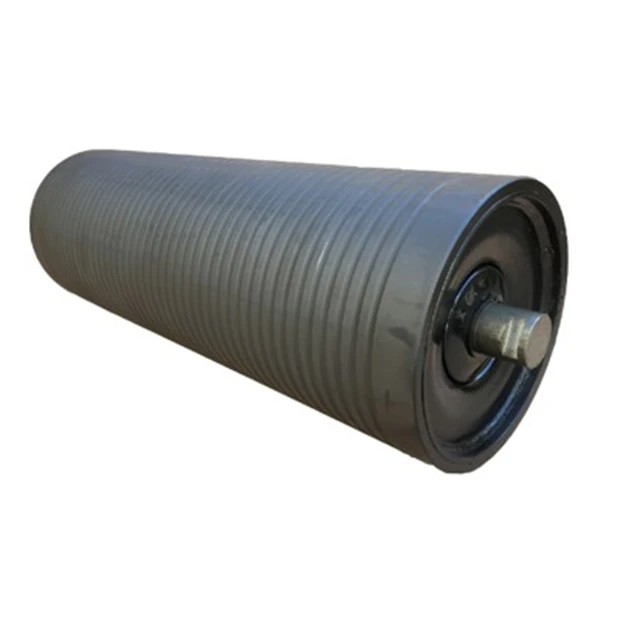
In addition to the checks mentioned above, regular cleaning of the rollers is also important. Dust, dirt, and debris can accumulate on the surface of the rollers, causing them to wear down more quickly. Use a clean cloth or a brush to remove any dirt or debris from the rollers. You can also use a mild cleaning solution to remove stubborn stains.
Lubrication is another essential part of roller maintenance. Proper lubrication can reduce friction and wear between the roller and the bearings, ensuring smooth operation. Make sure to use the appropriate lubricant for the type of roller and the operating conditions. Follow the manufacturer's recommendations for the frequency and amount of lubrication.
Our Product Range
At our company, we offer a wide range of high-quality steel rollers to meet the diverse needs of our customers. In addition to standard steel rollers, we also provide specialized products such as Rubber Ring Cushion Idler, Garland Roller Set, and Low Noise Rubber Lagged Roller. These products are designed to provide superior performance and durability in various industrial applications.
Conclusion
Checking the wear and tear of a steel roller is an essential part of maintaining the efficiency and reliability of a conveyor system. By conducting regular visual inspections, measuring dimensions, checking for misalignment, and monitoring vibration and noise, you can detect potential problems early and take appropriate action. Remember, regular maintenance is key to ensuring the long-term performance of your steel rollers.
If you're in the market for high-quality steel rollers or need professional advice on roller maintenance, don't hesitate to [contact us for procurement and further discussions](your contact information). We're here to help you find the best solutions for your specific needs.
References
- Smith, J. (2020). Conveyor Roller Maintenance Guide. Industrial Equipment Journal.
- Johnson, A. (2019). The Importance of Roller Alignment in Conveyor Systems. Manufacturing Today.
- Brown, C. (2018). Understanding Wear and Tear on Steel Components. Engineering Insights.


