
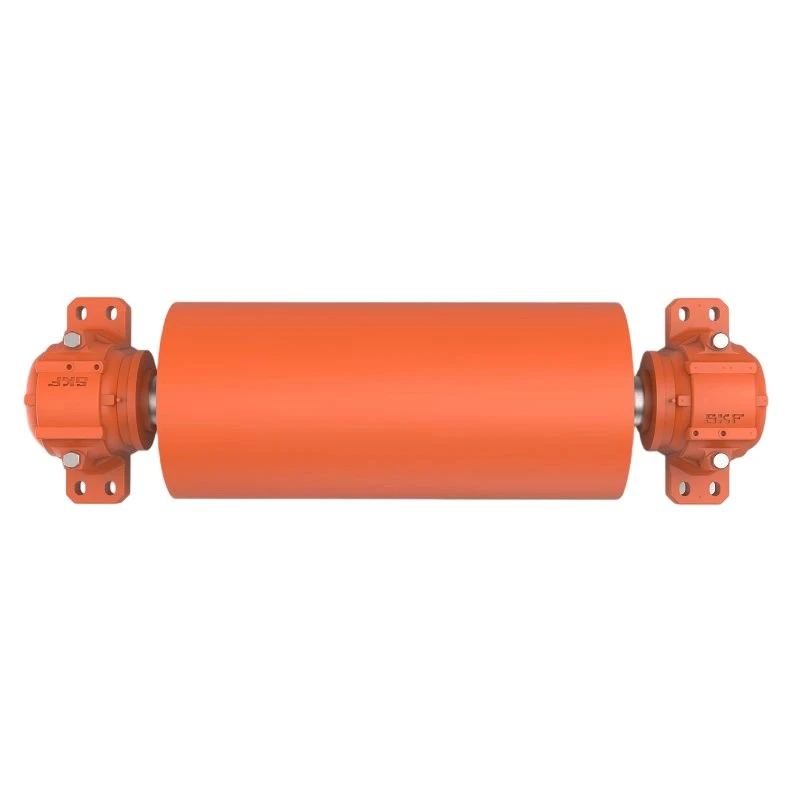
As a seasoned supplier of wing pulleys, I understand the critical role that proper alignment plays in the efficient and safe operation of conveyor systems. Wing pulleys are essential components in belt conveyors, designed to support and guide the conveyor belt, particularly in areas where spillage is a concern. Ensuring the correct alignment of these pulleys is not only crucial for the longevity of the equipment but also for maintaining optimal productivity and minimizing downtime. In this blog, I will share some valuable insights and practical tips on how to ensure the proper alignment of wing pulleys.
Understanding the Importance of Wing Pulley Alignment
Before delving into the alignment process, it's important to understand why proper alignment is so crucial. Misaligned wing pulleys can lead to a variety of issues, including uneven belt wear, increased friction, belt tracking problems, and even premature failure of the conveyor belt and other components. These issues can result in costly repairs, production delays, and safety hazards for workers.
Properly aligned wing pulleys distribute the load evenly across the conveyor belt, reducing stress and wear on the belt and other components. This helps to extend the lifespan of the belt, minimize the risk of belt slippage and mistracking, and ensure smooth and efficient operation of the conveyor system. Additionally, correct alignment can help to reduce energy consumption by minimizing friction and improving the overall efficiency of the conveyor.

Pre-Alignment Checks
Before attempting to align the wing pulleys, it's important to perform a series of pre-alignment checks to ensure that the conveyor system is in good working condition and that all components are properly installed. Here are some key checks to perform:
- Inspect the Conveyor Belt: Check the conveyor belt for any signs of damage, wear, or misalignment. Look for cuts, tears, fraying, or uneven wear patterns on the belt surface. If any issues are found, the belt should be repaired or replaced before proceeding with the alignment process.
- Check the Pulley Shafts: Inspect the pulley shafts for any signs of damage, bending, or misalignment. Ensure that the shafts are straight and that they are properly supported by the bearings. If any issues are found, the shafts should be repaired or replaced before proceeding.
- Verify the Pulley Mounting: Check the mounting of the wing pulleys to ensure that they are securely fastened to the conveyor frame. Make sure that the pulleys are level and that they are aligned with the conveyor belt. If any issues are found, the mounting should be adjusted or tightened as necessary.
- Inspect the Conveyor Frame: Check the conveyor frame for any signs of damage, distortion, or misalignment. Ensure that the frame is level and that it is properly supported by the legs or supports. If any issues are found, the frame should be repaired or adjusted before proceeding.
Alignment Methods
There are several methods that can be used to align wing pulleys, each with its own advantages and disadvantages. The choice of alignment method will depend on the specific requirements of the conveyor system, the type of wing pulleys being used, and the available tools and equipment. Here are some common alignment methods:
- Straightedge and Feeler Gauge Method: This is a simple and cost-effective method that involves using a straightedge and feeler gauge to measure the alignment of the wing pulleys. To use this method, place the straightedge across the face of the pulleys and use the feeler gauge to measure the gap between the straightedge and the pulleys. Adjust the position of the pulleys until the gap is uniform across the face of the pulleys.
- Laser Alignment Method: This is a more advanced and accurate method that involves using a laser alignment system to measure the alignment of the wing pulleys. To use this method, mount the laser alignment system on the conveyor frame and target the laser beam at the pulleys. The system will then display the alignment readings, allowing you to adjust the position of the pulleys until they are properly aligned.
- Dial Indicator Method: This is another accurate method that involves using a dial indicator to measure the alignment of the wing pulleys. To use this method, mount the dial indicator on the conveyor frame and position the indicator probe against the pulley shaft. Rotate the pulley and observe the readings on the dial indicator. Adjust the position of the pulleys until the readings are within the specified tolerance.
Alignment Procedure
Once you have selected the appropriate alignment method, you can proceed with the alignment procedure. Here are the general steps to follow:
- Loosen the Pulley Mounting Bolts: Before adjusting the position of the wing pulleys, loosen the mounting bolts to allow for movement. Be careful not to remove the bolts completely, as this could cause the pulleys to fall out of position.
- Make Initial Adjustments: Use the selected alignment method to measure the alignment of the wing pulleys and make any necessary initial adjustments. This may involve moving the pulleys horizontally or vertically to align them with the conveyor belt.
- Check the Alignment: After making the initial adjustments, recheck the alignment of the wing pulleys using the same method. Make any additional adjustments as necessary until the alignment is within the specified tolerance.
- Tighten the Pulley Mounting Bolts: Once the wing pulleys are properly aligned, tighten the mounting bolts to secure them in place. Be careful not to over-tighten the bolts, as this could cause damage to the pulleys or the conveyor frame.
- Recheck the Alignment: After tightening the mounting bolts, recheck the alignment of the wing pulleys to ensure that they have not shifted out of position. Make any final adjustments as necessary.
Maintenance and Monitoring
Proper alignment of wing pulleys is not a one-time task. It requires regular maintenance and monitoring to ensure that the pulleys remain in proper alignment over time. Here are some tips for maintaining and monitoring the alignment of wing pulleys:
- Perform Regular Inspections: Schedule regular inspections of the conveyor system to check the alignment of the wing pulleys and other components. Look for any signs of wear, damage, or misalignment, and make any necessary repairs or adjustments.
- Keep the Conveyor Clean: Keep the conveyor system clean to prevent the buildup of dirt, debris, and other materials that can cause misalignment and damage to the pulleys and other components.
- Monitor the Belt Tracking: Monitor the tracking of the conveyor belt to ensure that it is running straight and centered on the pulleys. If the belt starts to drift to one side, it may be a sign of misaligned pulleys or other issues.
- Use Alignment Monitoring Tools: Consider using alignment monitoring tools, such as laser alignment systems or vibration sensors, to continuously monitor the alignment of the wing pulleys and detect any issues early on.
Conclusion
Ensuring the proper alignment of wing pulleys is essential for the efficient and safe operation of conveyor systems. By following the tips and procedures outlined in this blog, you can minimize the risk of misalignment and ensure that your wing pulleys are properly aligned and functioning optimally. Remember to perform regular maintenance and monitoring to keep the pulleys in proper alignment over time.
If you are in the market for high-quality wing pulleys or need assistance with pulley alignment, please don't hesitate to contact us. We are a leading supplier of Belt Conveyor Driven Pulley, Belt Conveyor Rubber Lagged Pulley, and Motorized Pulley, and we have the expertise and experience to help you find the right solution for your conveyor system. Our team of experts is available to provide you with customized solutions and support to ensure the success of your project. Contact us today to discuss your requirements and get a free quote.
References
- Conveyor Equipment Manufacturers Association (CEMA). (2018). CEMA Standard No. 5 - Belt Conveyors for Bulk Materials.
- Ellis, R. (2017). Conveyor Belt Tracking: Causes, Consequences, and Corrections. Powder & Bulk Solids.
- Jaspers, B. (2016). Pulley Alignment: Best Practices for Conveyor Systems. Conveyor & Bulk Handling.


