
Hey there! As a supplier of belt conveyor rollers, I've seen firsthand how crucial it is to have well - designed rollers for efficient conveyor systems. In this blog, I'll share some tips on how to optimize the design of belt conveyor rollers.
Understanding the Basics
First off, let's talk about what makes a good belt conveyor roller. The main function of these rollers is to support the conveyor belt and facilitate its movement. They need to be durable, able to handle different loads, and work smoothly over long periods.
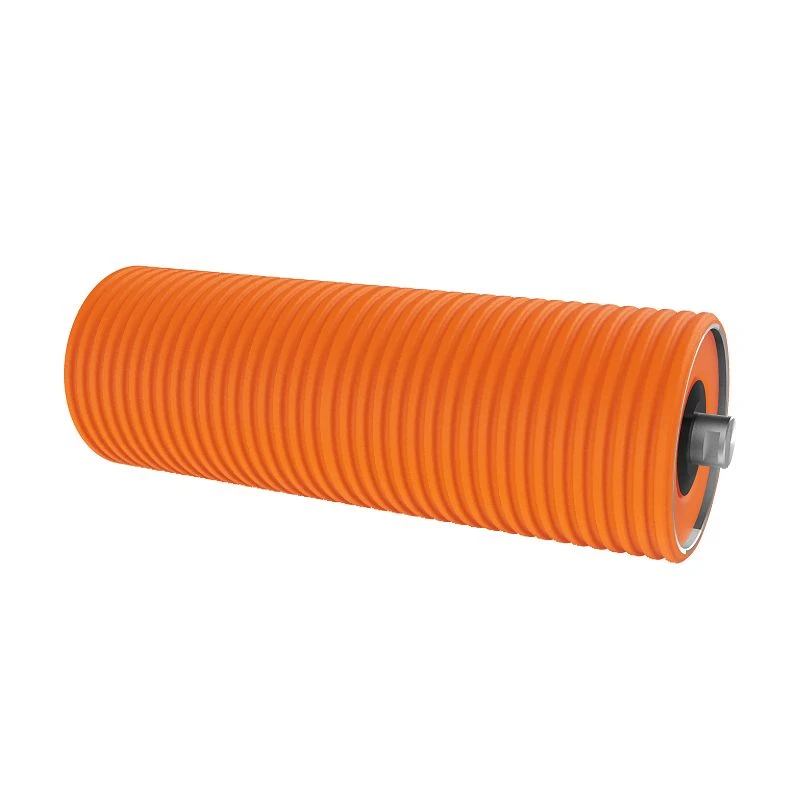
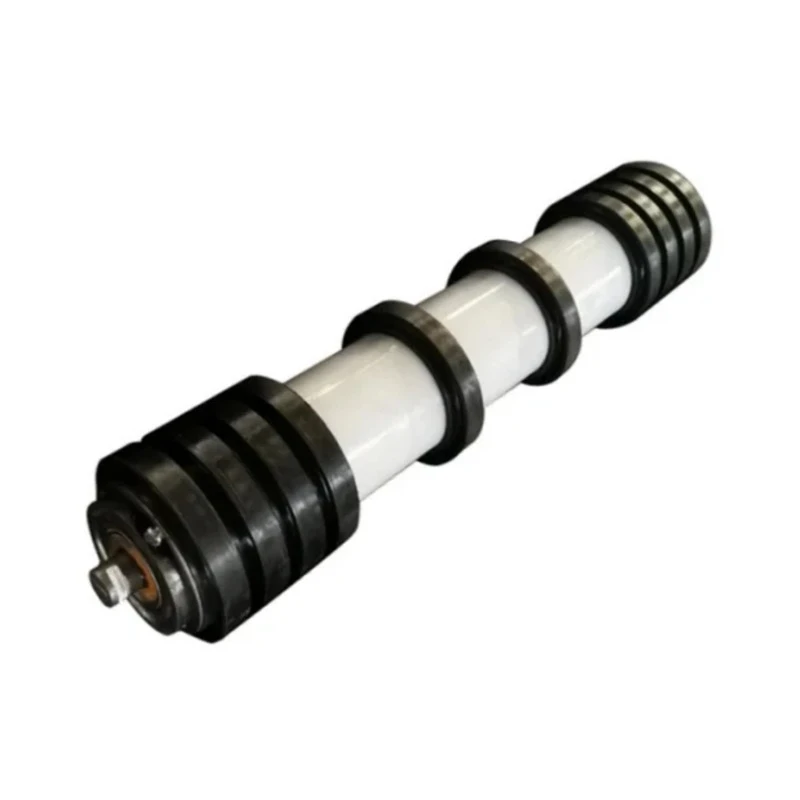
There are several types of belt conveyor rollers, each with its own unique design and purpose. For example, the Sleeve Roller/Comb Roller is great for applications where you need to clean the belt surface or prevent material buildup. These rollers have a special sleeve or comb - like structure that can remove debris as the belt moves.
The Impact Roller is designed to absorb the shock when materials are loaded onto the conveyor belt. It's usually made with a more robust structure and special materials to handle the impact forces.
And then there's the Friction Roller. This type is used to increase the friction between the roller and the belt, which helps in driving the belt forward. It's commonly used in conveyor systems where you need better control over the belt speed and movement.
Material Selection
One of the key aspects of optimizing roller design is choosing the right materials. The material should be strong enough to withstand the load and the wear and tear of daily operation.
For the roller shell, steel is a popular choice. It's strong, durable, and can handle heavy loads. Stainless steel is even better if you're dealing with corrosive environments, like in the food or chemical industries.
The bearings are also very important. High - quality bearings can reduce friction and ensure smooth rotation of the roller. Ceramic bearings are becoming more popular because they're more resistant to heat and wear compared to traditional steel bearings.
Design for Efficiency
To make the rollers more efficient, we need to consider a few design factors. First, the diameter of the roller matters. A larger diameter roller can reduce the bending stress on the belt, which means less wear and tear on the belt and a longer service life.
The length of the roller also needs to be carefully determined. It should be long enough to support the width of the belt properly, but not too long to cause unnecessary weight and cost.
Another important factor is the surface finish of the roller. A smooth surface can reduce friction and prevent material from sticking to the roller. However, in some cases, a textured surface might be needed to increase the friction, like in the case of the friction roller.
Maintenance and Serviceability
Optimizing the design also means making the rollers easy to maintain. For example, the bearings should be easily accessible for lubrication and replacement. Some rollers are designed with sealed bearings, which can reduce the need for frequent maintenance.
The roller should also be easy to install and remove from the conveyor system. This can save a lot of time and effort during installation and maintenance.
Customization
Every conveyor system is different, so it's often necessary to customize the roller design. We need to consider the specific requirements of the application, such as the type of material being conveyed, the conveyor speed, and the operating environment.
For example, if you're conveying abrasive materials, you might need a roller with a more wear - resistant surface. If the conveyor is operating in a high - temperature environment, you'll need to choose materials that can withstand the heat.
Cost - Effectiveness
Of course, cost is always a consideration. We need to balance the cost of the roller with its performance and durability. Sometimes, investing in a more expensive roller with better quality can save you money in the long run because it will last longer and require less maintenance.
We can also look for ways to reduce the cost without sacrificing performance. For example, by using more cost - effective materials or optimizing the manufacturing process.
Testing and Validation
Before finalizing the design, it's important to test the rollers. We can conduct various tests, such as load tests, wear tests, and speed tests. These tests can help us identify any potential problems with the design and make necessary adjustments.
We can also get feedback from customers who are using similar rollers. Their real - world experience can provide valuable insights into the performance and usability of the rollers.
Conclusion
Optimizing the design of belt conveyor rollers is a complex process that involves material selection, design for efficiency, maintenance, customization, and cost - effectiveness. By paying attention to these aspects, we can create rollers that are more durable, efficient, and cost - effective.
If you're in the market for high - quality belt conveyor rollers, I'd love to have a chat with you. Whether you need standard rollers or custom - designed ones, we have the expertise and experience to meet your needs. Let's work together to optimize your conveyor system and improve its performance.
References
- "Conveyor Belt Handbook" by Conveyor Equipment Manufacturers Association
- "Roller Design and Application" in Journal of Conveyor Technology


