
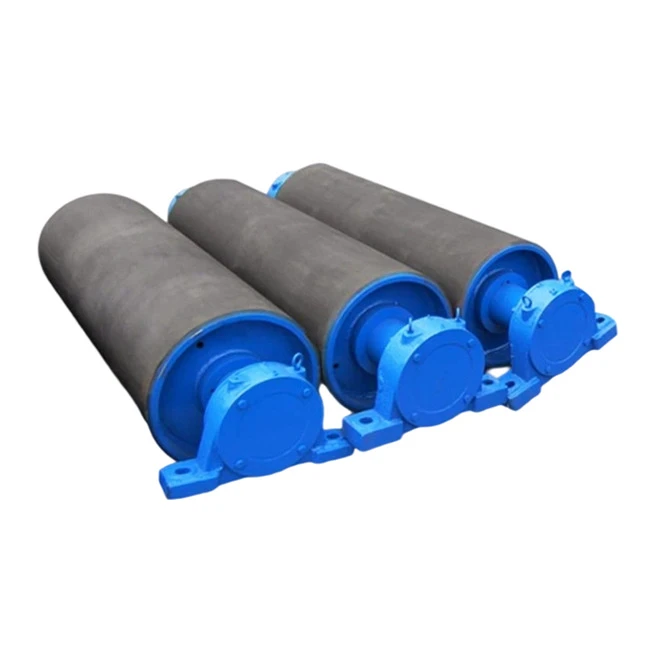
As a supplier of Belt Conveyor Drum Pulleys, I understand the significant impact that maintenance costs can have on the overall operational expenses of industries relying on conveyor systems. Belt conveyor drum pulleys are crucial components in these systems, and reducing their maintenance costs is not only beneficial for the bottom line but also enhances the efficiency and longevity of the entire conveyor setup. In this blog, I will share some effective strategies to help you minimize the maintenance costs of belt conveyor drum pulleys.

1. Select the Right Pulley for the Application
The first step in reducing maintenance costs is to choose the appropriate belt conveyor drum pulley for your specific application. Different industries and conveyor systems have unique requirements, and using the wrong type of pulley can lead to premature wear and increased maintenance needs. For example, if your conveyor operates in a high - temperature environment, a Heat Resistant Ceramic Drive Pulley would be a better choice than a standard pulley. These heat - resistant pulleys are designed to withstand elevated temperatures without losing their structural integrity, reducing the risk of damage and the need for frequent replacements.
Similarly, in heavy - duty applications where the conveyor has to handle large loads, Heavy Duty Conveyor Tail Return Drum Pulleys are more suitable. They are built with stronger materials and more robust construction, which can endure the stress and strain of heavy - load transportation, thus minimizing the likelihood of breakdowns and costly repairs.
2. Implement Regular Inspections
Regular inspections are essential for detecting potential issues with belt conveyor drum pulleys before they turn into major problems. A comprehensive inspection should include checking the pulley's surface for signs of wear, such as cracks, abrasions, or uneven wear patterns. Any damage to the pulley surface can cause the belt to slip or misalign, leading to increased friction and premature wear of both the pulley and the belt.
Inspect the bearings as well. Bearings are critical components that allow the pulley to rotate smoothly. Signs of bearing failure, such as excessive noise, vibration, or overheating, should be addressed immediately. Lubrication levels in the bearings also need to be checked regularly. Proper lubrication reduces friction and wear, extending the life of the bearings and the pulley as a whole.
In addition, examine the alignment of the pulley. Misaligned pulleys can cause the belt to wear unevenly and increase the stress on the conveyor system. If misalignment is detected, it should be corrected promptly to prevent further damage.
3. Keep the Pulley Clean
A clean pulley operates more efficiently and has a longer lifespan. Dust, dirt, and debris can accumulate on the pulley surface, causing increased friction and wear. In some cases, foreign materials can also get lodged between the pulley and the belt, leading to belt damage and pulley malfunction.
Regularly clean the pulley surface using appropriate cleaning methods. For light dirt and dust, a simple brush or compressed air can be used. In cases where there is stubborn grime or sticky substances, a mild cleaning solution may be required. However, be careful not to use harsh chemicals that could damage the pulley's surface or the belt.
It is also important to keep the surrounding area of the conveyor clean. This helps prevent dirt and debris from being drawn onto the pulley during operation.
4. Optimize Belt Tension
Proper belt tension is crucial for the smooth operation of the conveyor system and the longevity of the belt conveyor drum pulleys. If the belt is too loose, it can slip on the pulley, causing excessive wear on the pulley surface and reducing the efficiency of the conveyor. On the other hand, if the belt is too tight, it can put excessive stress on the pulley bearings and other components, leading to premature failure.
Use tensioning devices, such as Take - up Pulley, to maintain the correct belt tension. These pulleys can automatically adjust the belt tension as needed, ensuring that the belt runs smoothly and evenly on the pulley. Regularly check the belt tension and make adjustments as necessary to prevent unnecessary wear and tear on the pulleys.
5. Train Maintenance Staff
Well - trained maintenance staff are an invaluable asset when it comes to reducing the maintenance costs of belt conveyor drum pulleys. They should be familiar with the proper inspection, cleaning, and maintenance procedures for the pulleys. Training should include how to identify potential problems, the correct use of tools and equipment for maintenance, and safety protocols.
By having knowledgeable staff, you can ensure that maintenance tasks are carried out correctly and efficiently. This reduces the risk of improper maintenance leading to further damage and costly repairs. Additionally, trained staff can make informed decisions about when to replace a pulley or its components, preventing unnecessary replacements and saving costs.
6. Use High - Quality Replacement Parts
When it comes to replacing parts of the belt conveyor drum pulley, always opt for high - quality replacement parts. While cheaper parts may seem like a cost - effective option in the short term, they often have a shorter lifespan and are more prone to failure. High - quality parts are made from better materials and are manufactured to higher standards, which means they can withstand the rigors of conveyor operation for a longer time.
Investing in high - quality replacement parts may require a higher upfront cost, but it can lead to significant savings in the long run by reducing the frequency of replacements and minimizing downtime due to part failures.
7. Monitor and Analyze Performance Data
Implement a system to monitor and analyze the performance data of the belt conveyor drum pulleys. This can include data such as operating temperature, vibration levels, and power consumption. By analyzing this data over time, you can identify trends and patterns that may indicate potential problems.
For example, a sudden increase in operating temperature could be a sign of bearing failure or excessive friction. By detecting these issues early, you can take proactive measures to address them before they cause major damage. Performance data analysis also helps in optimizing the operation of the conveyor system, which can further reduce maintenance costs.
Conclusion
Reducing the maintenance cost of belt conveyor drum pulleys is a multi - faceted approach that involves proper selection, regular inspections, cleaning, tension optimization, staff training, using high - quality parts, and performance monitoring. By implementing these strategies, industries can significantly lower their maintenance expenses, improve the efficiency of their conveyor systems, and extend the lifespan of their belt conveyor drum pulleys.
If you are interested in learning more about our Belt Conveyor Drum Pulleys or have any questions regarding maintenance cost reduction, please feel free to contact us for a detailed discussion and potential procurement. We are committed to providing you with the best solutions for your conveyor system needs.
References
- Conveyor Equipment Manufacturers Association (CEMA). Conveyor Design Manual.
- ASME (American Society of Mechanical Engineers) standards related to conveyor pulleys.
- Industry - specific research papers on conveyor system maintenance and optimization.


