
As a supplier of Spiral Rollers, I understand the importance of proper storage to maintain the quality and performance of these essential conveyor components. Spiral Rollers are designed to provide efficient and reliable material handling in various industries, and their storage conditions can significantly impact their longevity and functionality. In this blog post, I will share some valuable insights on how to store Spiral Rollers effectively.
Understanding the Characteristics of Spiral Rollers
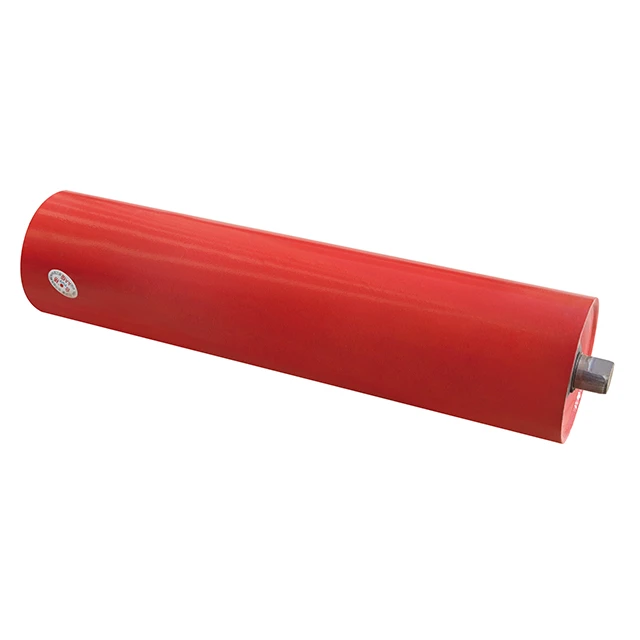
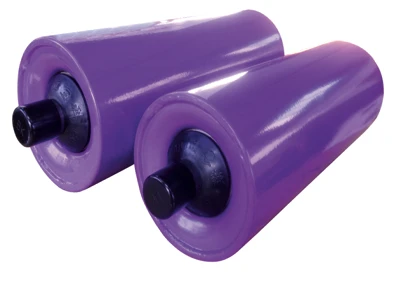
Before delving into the storage methods, it's crucial to understand the key characteristics of Spiral Rollers. These rollers are typically made of high - quality materials such as steel, aluminum, or plastic, and they feature a spiral design that helps in guiding and moving materials along the conveyor belt. The spiral shape can be right - hand or left - hand, depending on the application requirements.
The surface finish of Spiral Rollers can vary, and they may have coatings or treatments to enhance their resistance to wear, corrosion, and abrasion. Some common types of Spiral Rollers include Belt Conveyor Plain Rollers, BK Conveyor Roller, and Ceramic Coated Conveyor Roller. Each type has its own unique properties and storage needs.
Ideal Storage Environment
The first step in storing Spiral Rollers is to create an ideal storage environment. The storage area should be clean, dry, and well - ventilated. Moisture is one of the biggest enemies of Spiral Rollers, as it can cause rust and corrosion, especially for rollers made of metal. High humidity levels can also lead to the growth of mold and mildew, which can damage the surface of the rollers and affect their performance.
The temperature in the storage area should be relatively stable. Extreme temperature fluctuations can cause the materials of the rollers to expand and contract, which may lead to mechanical stress and eventually damage the rollers. A temperature range between 10°C and 30°C (50°F and 86°F) is generally considered ideal for storing Spiral Rollers.
Protection from Physical Damage
Spiral Rollers should be protected from physical damage during storage. They should be stored in a way that prevents them from being knocked, bumped, or crushed. One effective way to do this is to use dedicated storage racks or shelves. These racks should be designed to hold the rollers securely and prevent them from rolling or falling.
If the rollers are stored on the floor, they should be placed on a flat and stable surface. It's also a good idea to use padding or cushioning materials, such as rubber mats or foam, to protect the rollers from scratches and dents. When stacking the rollers, make sure not to stack them too high, as this can increase the risk of the stack toppling over and causing damage.
Handling and Loading Considerations
Proper handling and loading of Spiral Rollers are essential during storage. When moving the rollers, use appropriate lifting equipment, such as forklifts or hoists, to ensure that they are lifted and transported safely. Avoid using sharp or rough tools that could damage the surface of the rollers.
During loading and unloading, make sure that the rollers are aligned correctly and placed gently on the storage racks or in the storage containers. Any misalignment or rough handling can cause damage to the rollers, which may affect their performance when they are put into use.
Protection from Chemicals and Contaminants
Spiral Rollers should be protected from exposure to chemicals and contaminants. Chemicals such as acids, alkalis, and solvents can corrode the surface of the rollers and degrade their performance. Contaminants such as dust, dirt, and debris can also accumulate on the rollers and cause problems.
To protect the rollers from chemicals and contaminants, the storage area should be kept clean. Regularly sweep and mop the floors to remove dust and debris. If possible, use air filters in the storage area to reduce the amount of airborne contaminants. Additionally, make sure that the rollers are not stored near any sources of chemicals, such as cleaning agents or industrial solvents.
Inspection and Maintenance during Storage
Regular inspection and maintenance of Spiral Rollers during storage are crucial to ensure their quality. Periodically check the rollers for any signs of damage, such as rust, corrosion, scratches, or dents. If any damage is detected, take appropriate measures to repair or replace the rollers.
Lubrication is also an important aspect of roller maintenance. If the rollers have bearings or moving parts, make sure to lubricate them according to the manufacturer's recommendations. This will help to prevent friction and wear, and ensure that the rollers operate smoothly when they are put into use.
Labeling and Inventory Management
Proper labeling and inventory management are essential for efficient storage of Spiral Rollers. Each roller should be labeled with information such as its type, size, model number, and date of receipt. This will make it easier to identify and locate the rollers when they are needed.
Implement an inventory management system to keep track of the quantity, location, and condition of the rollers. This will help to prevent over - stocking or under - stocking of the rollers, and ensure that the right rollers are available when required.
Long - Term Storage Strategies
For long - term storage of Spiral Rollers, additional precautions may be necessary. One option is to apply a protective coating or film to the rollers to prevent rust and corrosion. This coating can be removed before the rollers are put into use.
Another strategy is to store the rollers in a sealed container or packaging. This can provide an extra layer of protection against moisture, dust, and contaminants. Make sure to use a high - quality container or packaging material that is suitable for the type of rollers being stored.
Conclusion
Proper storage of Spiral Rollers is essential to maintain their quality and performance. By creating an ideal storage environment, protecting the rollers from physical damage, chemicals, and contaminants, and implementing regular inspection and maintenance procedures, you can ensure that your Spiral Rollers are in good condition when they are needed.
If you are in the market for high - quality Spiral Rollers or have any questions about their storage and maintenance, I invite you to contact us for a detailed discussion. We are committed to providing our customers with the best products and services, and we look forward to the opportunity to work with you.
References
- Conveyor Roller Handbook, Industry Standard Publications
- Best Practices in Material Handling Equipment Storage, Logistics Research Institute


