
Hey there! As a supplier of Impact Rollers, I've had my fair share of experiences in the industry. One of the most common questions I get asked is, "How do you test the performance of an Impact Roller?" Well, in this blog post, I'm gonna break it down for you step by step.
Understanding the Basics of Impact Rollers
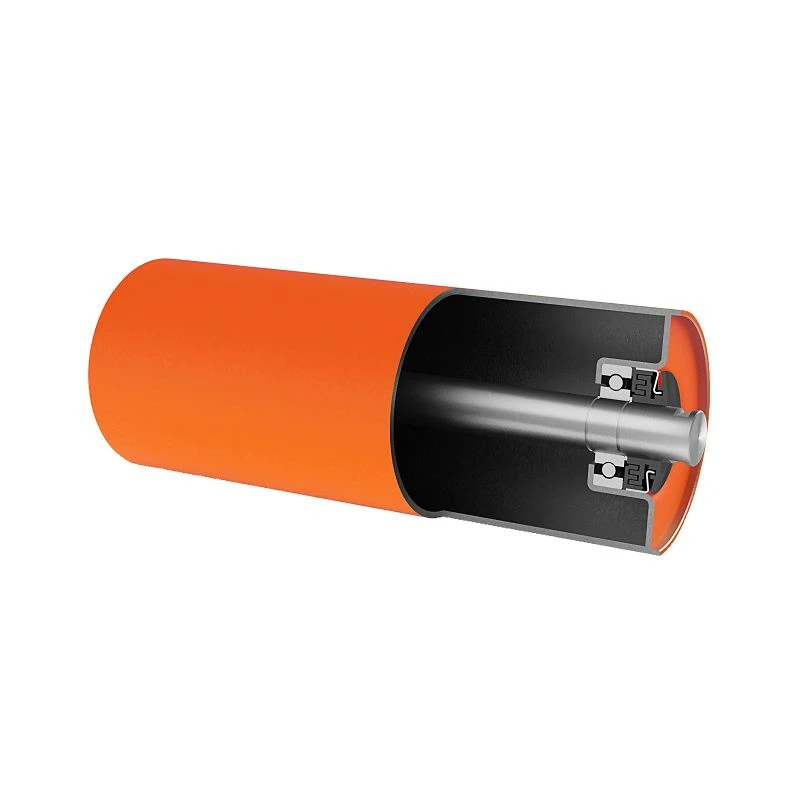
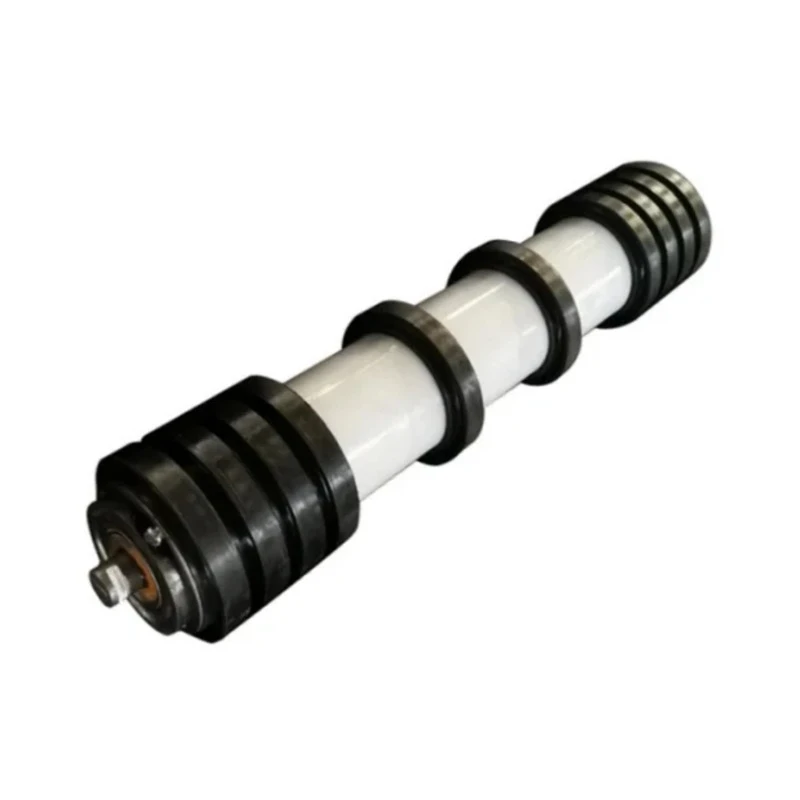
Before we dive into the testing process, let's quickly go over what an Impact Roller is and what it does. Impact Rollers are an essential part of conveyor systems. They're designed to absorb the shock and impact when materials are loaded onto the conveyor belt. This helps to protect the belt from damage and extends its lifespan.
There are different types of rollers you might come across in a conveyor system, like Sleeve Roller/Comb Roller, Steel Roller, and Spiral Roller. But today, we're focusing on Impact Rollers.
Pre - Test Preparations
First things first, you need to get everything ready before you start testing. You'll need to gather some tools and equipment. A good set of measuring instruments is a must. You'll want to have a torque wrench to measure the tightness of the roller bearings, a caliper to measure the dimensions of the roller, and a vibration meter to detect any abnormal vibrations.
Inspect the roller thoroughly. Look for any visible signs of damage, like cracks, dents, or uneven wear. Check the bearings to make sure they're in good condition and can rotate smoothly. If there are any issues, it's best to address them before testing.
Testing the Structural Integrity
The structural integrity of an Impact Roller is crucial. You can start by checking the roller's outer shell. Use the caliper to measure the wall thickness at different points. A consistent wall thickness indicates a well - made roller. Any significant variations could mean there are manufacturing defects.
Next, test the shaft. The shaft should be straight and free from any bends or warping. You can use a straightedge to check its straightness. If the shaft is not straight, it can cause uneven loading on the bearings and lead to premature failure.
Measuring the Rotational Resistance
Rotational resistance is an important factor in determining the performance of an Impact Roller. To measure it, you can use a torque wrench. First, make sure the roller is properly mounted and can rotate freely. Then, apply a small amount of torque to start the rotation. Measure the torque required to keep the roller rotating at a constant speed.
A low rotational resistance means the roller is efficient and will require less energy to operate. High rotational resistance could be a sign of problems with the bearings or misalignment.
Assessing the Impact Absorption Capacity
This is the main function of an Impact Roller, so it's a key test. One way to test the impact absorption capacity is to simulate the actual loading conditions. You can use a test rig that can drop a known weight onto the roller from a specific height.
Measure the amount of force that is transferred through the roller to the conveyor frame. A good Impact Roller should be able to absorb a significant portion of the impact force, reducing the stress on the conveyor belt and other components.
You can also use sensors to measure the deformation of the roller during the impact. The roller should deform within a certain range. Excessive deformation could mean the roller is not strong enough, while too little deformation might indicate that it's too rigid and not absorbing the impact effectively.
Vibration Testing
Vibration can be a sign of many problems in an Impact Roller. Use a vibration meter to measure the vibration levels during operation. Mount the vibration meter on the roller or the conveyor frame near the roller.
Normal operation should produce relatively low - level vibrations. If you detect high - frequency or high - amplitude vibrations, it could be due to unbalanced rollers, misaligned bearings, or other mechanical issues.
Temperature Testing
During operation, the temperature of the Impact Roller can rise. Excessive heat can damage the bearings and other components. Use an infrared thermometer to measure the temperature of the roller at different points.
The temperature should remain within a reasonable range. If the temperature is too high, it could be a sign of excessive friction, which might be caused by improper lubrication or misaligned components.
Post - Test Analysis
After you've completed all the tests, it's time to analyze the results. Compare the test data with the manufacturer's specifications. If the roller meets or exceeds the specifications, it's a good sign that it's performing well.
If there are any deviations, you need to figure out the root cause. For example, if the rotational resistance is higher than expected, it could be due to dirty or worn - out bearings. You might need to clean or replace the bearings.
Why Testing is Important
Testing the performance of an Impact Roller is not just a formality. It helps to ensure the safety and efficiency of your conveyor system. A poorly performing roller can cause a lot of problems, like belt damage, increased energy consumption, and frequent breakdowns.
By regularly testing your Impact Rollers, you can identify and fix issues early, which can save you a lot of time and money in the long run.
Reaching Out for Quality Impact Rollers
If you're in the market for high - quality Impact Rollers or need more information about testing and maintenance, don't hesitate to get in touch. We're here to help you find the best solutions for your conveyor systems. Whether you're dealing with a small - scale operation or a large industrial plant, we've got the expertise and the products to meet your needs.
References
- Conveyor Handbook, Industry Standard Publication
- Impact Roller Manufacturer's Technical Manuals
- Journal of Conveyor System Engineering Research Papers


