
Elastic properties play a crucial role in the performance and functionality of belt conveyor rollers. As a trusted supplier of belt conveyor rollers, I've witnessed firsthand how these elastic properties can impact the overall efficiency and longevity of conveyor systems. In this blog, we'll delve into the elastic properties of belt conveyor rollers, exploring their significance and how they relate to different types of rollers we offer.
Understanding Elasticity in Belt Conveyor Rollers
Elasticity refers to the ability of a material to deform under the application of a force and then return to its original shape once the force is removed. In the context of belt conveyor rollers, elasticity is a fundamental characteristic that affects how the rollers interact with the conveyor belt and the loads they carry.
One of the primary elastic properties of belt conveyor rollers is their ability to absorb shock and vibration. When a conveyor belt moves over the rollers, it experiences various forces, including the weight of the conveyed materials, the tension in the belt, and the impact of any sudden starts or stops. Elastic rollers can deform slightly under these forces, absorbing the energy and reducing the stress on the belt and the rest of the conveyor system. This not only helps to prevent premature wear and tear on the belt but also reduces the risk of damage to other components, such as bearings and frames.
Another important elastic property is the ability of the rollers to conform to the shape of the conveyor belt. A conveyor belt may not always be perfectly flat or straight, especially when it is carrying heavy or irregularly shaped loads. Elastic rollers can adjust to these variations in the belt's shape, ensuring a smooth and even contact between the roller and the belt. This helps to minimize slippage and improve the overall tracking of the belt, which is essential for maintaining the efficiency and reliability of the conveyor system.
Elastic Properties of Different Types of Belt Conveyor Rollers
Low Noise Rubber Lagged Roller
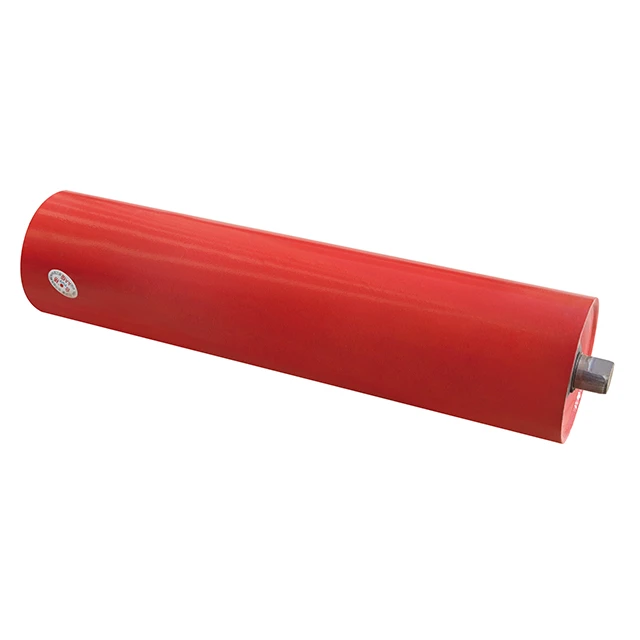
Low Noise Rubber Lagged Roller are designed to provide excellent elasticity and noise reduction. The rubber lagging on these rollers acts as a shock absorber, reducing the impact and vibration generated during operation. This not only helps to extend the life of the belt and other components but also creates a quieter working environment.
The elasticity of the rubber lagging allows the roller to conform to the shape of the belt, providing a better grip and reducing slippage. This is particularly important in applications where the belt is carrying heavy loads or operating at high speeds. Additionally, the rubber lagging can help to protect the belt from damage caused by abrasion and corrosion, further enhancing the durability of the conveyor system.
Belt Conveyor Plain Rollers
Belt Conveyor Plain Rollers are the most basic type of belt conveyor rollers. While they may not have the same level of elasticity as rubber lagged rollers, they still possess some elastic properties that are important for their performance.
Plain rollers are typically made from steel or other rigid materials, but they can still deform slightly under the weight of the belt and the conveyed materials. This deformation helps to distribute the load evenly across the roller, reducing the stress on any one point and preventing premature wear. Additionally, the slight elasticity of the rollers can help to absorb some of the shock and vibration generated during operation, improving the overall smoothness of the conveyor system.
Sleeve Roller/Comb Roller
Sleeve Roller/Comb Roller are designed to provide a high level of elasticity and flexibility. These rollers consist of a series of sleeves or combs that are mounted on a central shaft. The sleeves or combs can move independently of each other, allowing the roller to conform to the shape of the belt and the loads it is carrying.
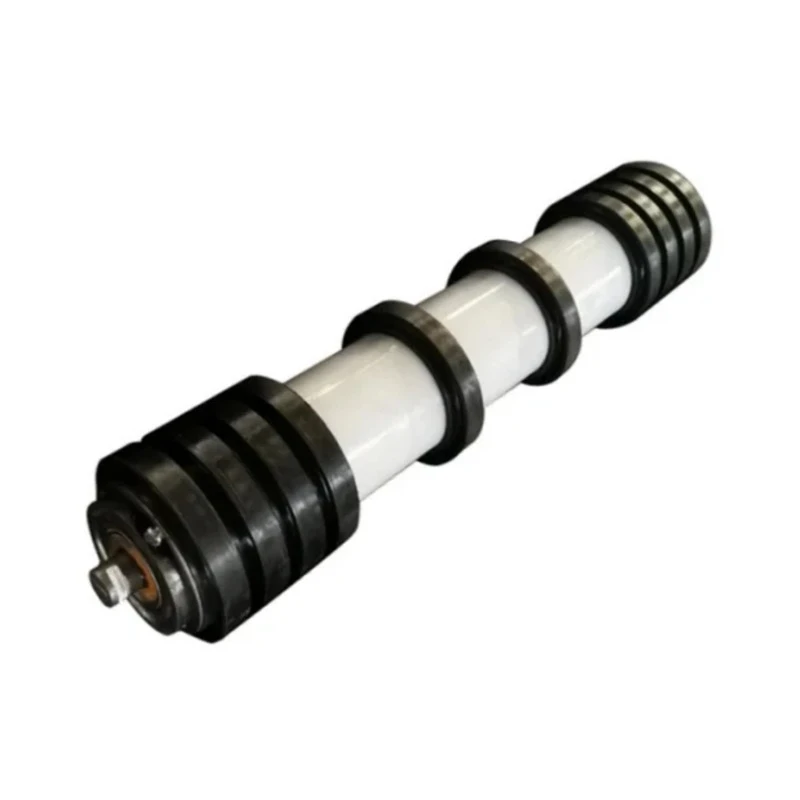
The elasticity of sleeve rollers and comb rollers makes them ideal for applications where the belt needs to be able to flex and bend around curves or obstacles. They can also help to reduce the stress on the belt and other components by absorbing the shock and vibration generated during operation. Additionally, the design of these rollers allows for easy cleaning and maintenance, which is essential for ensuring the long-term performance of the conveyor system.
Factors Affecting the Elastic Properties of Belt Conveyor Rollers
The elastic properties of belt conveyor rollers can be affected by a variety of factors, including the material used to manufacture the roller, the design of the roller, and the operating conditions of the conveyor system.
Material
The material used to manufacture the roller has a significant impact on its elastic properties. Rubber lagged rollers, for example, are known for their high elasticity and shock absorption capabilities due to the properties of the rubber. Steel rollers, on the other hand, are generally more rigid and have lower elasticity, but they may be more suitable for applications where high strength and durability are required.
Design
The design of the roller can also affect its elastic properties. Rollers with a larger diameter or a thicker wall thickness may be more rigid and have lower elasticity, while rollers with a smaller diameter or a thinner wall thickness may be more flexible and have higher elasticity. Additionally, the shape and configuration of the roller, such as the presence of grooves or ribs, can also impact its ability to deform and conform to the shape of the belt.
Operating Conditions
The operating conditions of the conveyor system, such as the speed, load, and temperature, can also affect the elastic properties of the rollers. High speeds and heavy loads can increase the stress on the rollers, causing them to deform more easily. Extreme temperatures can also affect the elasticity of the materials used to manufacture the rollers, potentially reducing their performance and durability.
Importance of Elastic Properties in Belt Conveyor Systems
The elastic properties of belt conveyor rollers are essential for the efficient and reliable operation of conveyor systems. By absorbing shock and vibration, conforming to the shape of the belt, and reducing slippage, elastic rollers can help to extend the life of the belt and other components, improve the tracking and performance of the conveyor system, and create a safer and more comfortable working environment.
As a supplier of belt conveyor rollers, we understand the importance of these elastic properties and offer a wide range of rollers that are designed to meet the specific needs of our customers. Whether you're looking for Low Noise Rubber Lagged Roller, Belt Conveyor Plain Rollers, or Sleeve Roller/Comb Roller, we have the expertise and experience to provide you with the right solution for your application.
Contact Us for Your Belt Conveyor Roller Needs
If you're interested in learning more about the elastic properties of our belt conveyor rollers or would like to discuss your specific requirements, please don't hesitate to contact us. Our team of experts is available to answer your questions, provide technical support, and help you find the best solution for your conveyor system. We look forward to the opportunity to work with you and help you optimize the performance of your belt conveyor system.
References
- Conveyor Equipment Manufacturers Association (CEMA). Belt Conveyors for Bulk Materials.
- McKee, H. E. (1999). Belt Conveyors for Bulk Materials: Design and Calculation.
- Singh, S. P. (2007). Conveyor Belt Technology.


