
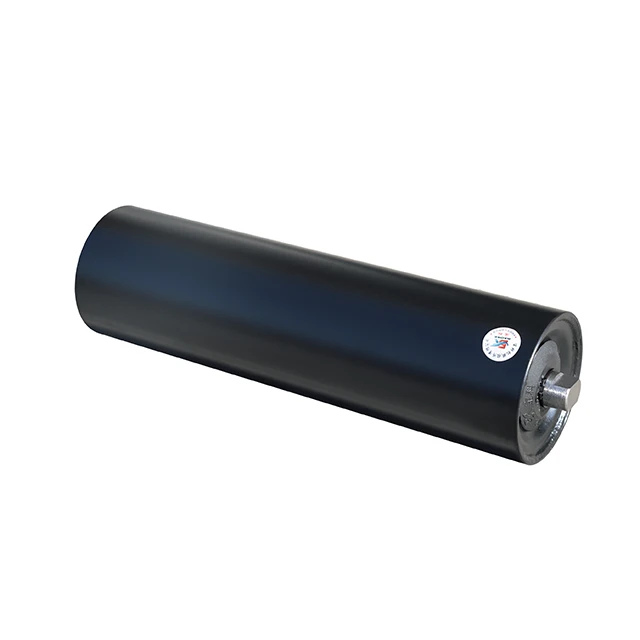
As a supplier of friction rollers, I've received numerous inquiries regarding the noise levels of these rollers during operation. Understanding the noise characteristics of friction rollers is crucial for various industrial applications, as excessive noise can not only cause discomfort to workers but also indicate potential issues with the rollers or the overall system. In this blog post, I'll delve into the factors affecting the noise levels of friction rollers, how to measure them, and ways to mitigate noise for a more efficient and quiet operation.
Factors Affecting Noise Levels
1. Material and Surface Finish
The materials used in the construction of friction rollers play a significant role in determining their noise levels. For instance, rollers made from high - quality rubber or polyurethane often produce less noise compared to those made from hard plastics or metals. The surface finish of the roller also matters. A smooth surface finish reduces the friction and vibration between the roller and the conveyed material, resulting in lower noise. Rougher surfaces can cause more irregular contact, leading to increased noise generation.
2. Load and Speed
The load carried by the friction rollers and the operating speed are two critical factors. Higher loads can put more stress on the rollers, causing them to deform slightly and generate more noise. Similarly, increasing the operating speed can amplify the noise levels. As the speed goes up, the frequency and intensity of the vibrations between the roller and the material increase, leading to a louder operation.

3. Alignment and Installation
Proper alignment and installation of friction rollers are essential for quiet operation. If the rollers are not aligned correctly, they may experience uneven wear and tear, which can lead to increased noise. Misaligned rollers can also cause the conveyed material to move irregularly, creating additional vibrations and noise. Additionally, loose or improper installation can allow the rollers to move or vibrate more than necessary, contributing to higher noise levels.
4. Bearing Quality
The quality of the bearings used in friction rollers has a direct impact on noise. High - quality bearings are designed to reduce friction and vibration, resulting in quieter operation. Inferior bearings, on the other hand, may have more play or less precise manufacturing, which can cause the rollers to produce more noise during rotation.
Measuring Noise Levels
To accurately assess the noise levels of friction rollers, we can use a sound level meter. This device measures the sound pressure level in decibels (dB). When measuring the noise, it's important to follow a standardized procedure. The measurement should be taken at a specific distance from the roller, usually around 1 meter, and at a consistent height. Multiple measurements should be taken at different points around the roller to get an average noise level.
It's also important to note that the background noise in the environment can affect the accuracy of the measurements. Therefore, it's advisable to measure the background noise first and then subtract it from the total noise level measured during the roller's operation to obtain the actual noise level produced by the roller.
Noise Mitigation Strategies
1. Material Selection
As mentioned earlier, choosing the right materials can significantly reduce noise. For example, Anti - rock Split Idler Rubber Comb Roller is made of rubber, which has excellent noise - dampening properties. The rubber material can absorb vibrations and reduce the impact between the roller and the conveyed material, resulting in a quieter operation.
2. Design Optimization
Optimizing the design of the friction rollers can also help in reducing noise. For instance, Spiral Roller has a unique spiral design that can evenly distribute the load and reduce the concentration of stress points. This design helps to minimize vibrations and noise during operation.
3. Maintenance and Lubrication
Regular maintenance is crucial for keeping the noise levels of friction rollers in check. This includes checking the alignment of the rollers, tightening any loose parts, and replacing worn - out components. Lubrication is also an important aspect of maintenance. Proper lubrication of the bearings can reduce friction and wear, resulting in quieter operation. For example, using high - quality lubricants can ensure smooth rotation of the rollers and minimize noise.
4. Isolation and Enclosure
In some cases, isolating the friction rollers from the surrounding environment or enclosing them can help reduce noise. This can be achieved by using vibration - isolating mounts or installing noise - reducing enclosures around the rollers. These measures can prevent the noise from spreading to the surrounding area and create a more comfortable working environment.
Industry Standards and Regulations
There are various industry standards and regulations regarding noise levels in industrial settings. For example, in many countries, the maximum allowable noise level in a workplace is set at 85 dB(A) over an 8 - hour workday. As a friction roller supplier, we are committed to ensuring that our products meet these standards. By providing rollers with low noise levels, we not only help our customers comply with the regulations but also contribute to a safer and more comfortable working environment.
The Importance of Low - Noise Friction Rollers
Low - noise friction rollers offer several advantages in industrial applications. Firstly, they can improve the working conditions for employees. Excessive noise can cause hearing damage, stress, and fatigue among workers. By reducing the noise levels, we can enhance the well - being of the workforce and increase productivity.
Secondly, low - noise rollers can also reduce the overall noise pollution in the industrial area. This is especially important in areas where the industrial facility is close to residential or commercial areas. By using quiet rollers, we can minimize the impact of the industrial operation on the surrounding environment.
Contact Us for Your Friction Roller Needs
If you're in the market for high - quality friction rollers with low noise levels, we're here to help. Our team of experts can provide you with detailed information about our products, including their noise characteristics, and help you choose the right rollers for your specific application. Whether you need Anti - rock Split Idler Rubber Comb Roller, Spiral Roller, or Ordinary Carbon Steel Conveyor Roller, we have a wide range of options to meet your requirements.
Don't hesitate to contact us for more information or to start a procurement discussion. We look forward to working with you to provide the best friction roller solutions for your business.
References
- ISO 1996: Acoustics - Description, measurement and assessment of environmental noise.
- OSHA (Occupational Safety and Health Administration) regulations on workplace noise exposure.
- Manufacturer's specifications and technical data on friction rollers.


