
Belt conveyor rollers are crucial components in conveyor systems, and their performance directly affects the efficiency and reliability of the entire conveyor operation. Surface treatments play a vital role in enhancing the functionality, durability, and lifespan of these rollers. As a belt conveyor rollers supplier, I'd like to delve into the various surface treatments available for belt conveyor rollers.
Galvanizing
Galvanizing is one of the most common surface treatments for belt conveyor rollers. It involves coating the roller surface with a layer of zinc through a process called hot - dip galvanizing or electro - galvanizing.
Hot - dip galvanizing is a process where the rollers are immersed in a bath of molten zinc. This creates a thick, durable zinc coating that provides excellent corrosion resistance. The zinc layer acts as a sacrificial anode, protecting the underlying steel from rust and corrosion. In environments where the conveyor rollers are exposed to moisture, chemicals, or outdoor elements, hot - dip galvanized rollers are an ideal choice. For example, in mining operations or outdoor material handling facilities, the rollers are constantly exposed to water, dust, and various minerals. A hot - dip galvanized roller can withstand these harsh conditions for an extended period, reducing the need for frequent replacements.
Electro - galvanizing, on the other hand, is a more precise process that uses an electric current to deposit a thin layer of zinc onto the roller surface. This method is suitable for rollers that require a more aesthetically pleasing finish or when a thinner coating is sufficient. Electro - galvanized rollers are often used in indoor conveyor systems where the corrosion risk is relatively low, such as in warehouses or manufacturing plants.
Rubber Coating
Rubber coating is another popular surface treatment for belt conveyor rollers. It offers several benefits, including increased friction, noise reduction, and protection against impact and abrasion.
When it comes to friction, rubber - coated rollers can significantly improve the traction between the roller and the conveyor belt. This is especially important in applications where the conveyor needs to handle heavy loads or operate at high speeds. For example, in a steel mill, where large coils of steel are transported on the conveyor, rubber - coated rollers ensure that the belt does not slip, preventing material spillage and ensuring smooth operation.
In addition to friction, rubber coating can also reduce the noise generated during the operation of the conveyor system. The rubber acts as a buffer, absorbing the vibrations and impacts between the roller and the belt. This is beneficial in environments where noise pollution is a concern, such as in food processing plants or hospitals.
Moreover, rubber - coated rollers are more resistant to abrasion and impact. The rubber layer protects the roller surface from damage caused by sharp objects or heavy loads, extending the lifespan of the rollers. There are different types of rubber compounds available, each with its own properties, such as hardness, elasticity, and chemical resistance. The choice of rubber compound depends on the specific requirements of the application.
Ceramic Coating
Ceramic coating is a high - performance surface treatment that offers exceptional wear resistance and heat resistance. Ceramic - coated rollers are made by applying a layer of ceramic material onto the roller surface through a spraying or bonding process.
The wear resistance of ceramic - coated rollers is extremely high, making them suitable for applications where the rollers are exposed to abrasive materials. For example, in the cement industry, where the conveyor belts transport large amounts of abrasive cement powder, ceramic - coated rollers can withstand the constant abrasion and maintain their performance over a long period.

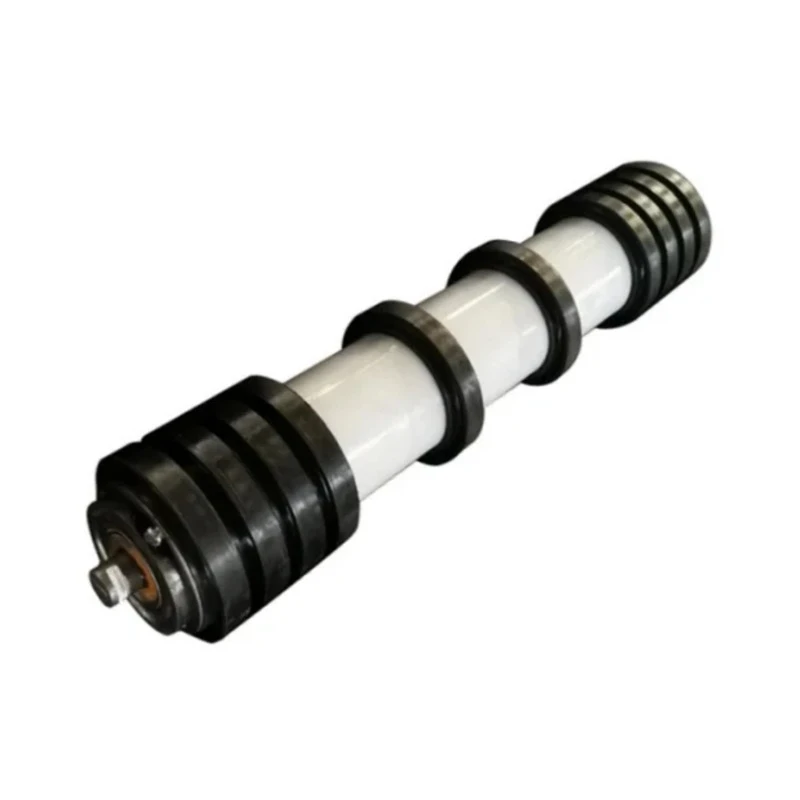
In terms of heat resistance, ceramic - coated rollers can operate at high temperatures without losing their properties. This is crucial in applications such as foundries or glass manufacturing plants, where the conveyor rollers may be exposed to extreme heat. The ceramic coating acts as a thermal barrier, protecting the underlying steel from heat damage.
Chrome Plating
Chrome plating is a surface treatment that provides a smooth, hard, and corrosion - resistant finish to belt conveyor rollers. The process involves depositing a layer of chromium onto the roller surface using an electroplating method.
The smooth finish of chrome - plated rollers reduces the friction between the roller and the conveyor belt, allowing for a more efficient operation. This is beneficial in applications where energy efficiency is a priority, such as in long - distance conveyor systems.
Chrome - plated rollers are also highly resistant to corrosion. The chromium layer forms a passive film on the roller surface, which protects the steel from rust and oxidation. In addition, the hard chrome coating is resistant to wear and abrasion, making it suitable for applications where the rollers are exposed to abrasive materials.
Specialized Roller Types and Their Treatments
There are also some specialized types of belt conveyor rollers that have unique surface treatments.
- Friction Roller: Friction rollers are designed to provide high friction between the roller and the belt. These rollers often have a special surface treatment to enhance their frictional properties. Friction Roller can be coated with a high - friction rubber or a textured surface to increase the grip on the belt. This is useful in applications where the conveyor needs to start and stop frequently or when the belt needs to be tensioned.
- Sleeve Roller/Comb Roller: Sleeve rollers and comb rollers are used in specific conveyor applications, such as in sorting systems or in applications where the belt needs to be cleaned. Sleeve Roller/Comb Roller can have a variety of surface treatments. For example, the sleeve part can be made of a wear - resistant plastic or rubber material, while the comb part can be coated with a corrosion - resistant material to ensure its durability.
- Spiral Roller: Spiral rollers are designed to move the conveyor belt sideways or to center it. Spiral Roller often have a spiral - shaped surface treatment. This spiral design can be created through machining or by applying a spiral - shaped coating. The spiral pattern on the roller surface helps to guide the belt and prevent it from drifting off - center.
Conclusion
In conclusion, the choice of surface treatment for belt conveyor rollers depends on the specific requirements of the application. Galvanizing is suitable for corrosion protection, rubber coating offers increased friction and noise reduction, ceramic coating provides high wear and heat resistance, and chrome plating gives a smooth and corrosion - resistant finish. Specialized rollers such as friction rollers, sleeve/comb rollers, and spiral rollers also have their own unique surface treatments to meet their specific functions.
As a belt conveyor rollers supplier, we understand the importance of choosing the right surface treatment for our customers. We offer a wide range of belt conveyor rollers with different surface treatments to meet the diverse needs of various industries. If you are in need of high - quality belt conveyor rollers or have any questions about surface treatments, please feel free to contact us for procurement and further discussion. We are committed to providing you with the best solutions for your conveyor systems.
References
- Conveyor Equipment Manufacturers Association (CEMA). Conveyor Handbook.
- ASM Handbook, Volume 5: Surface Engineering.
- Industrial Conveyor Belt Technology by John A. Wambolt.


