
Hey there! As a supplier of Belt Conveyor Drum Pulleys, I often get asked about the differences between flat and grooved belt conveyor drum pulleys. So, I thought I'd take the time to break it down for you in this blog post.
Let's start with the basics. A belt conveyor drum pulley is an essential component of a conveyor system. It's basically a wheel that the conveyor belt wraps around, and it helps to move the belt and the materials on it from one place to another. The two main types of drum pulleys we're talking about here are flat and grooved ones, and they each have their own unique features and uses.
Flat Belt Conveyor Drum Pulleys
Flat belt conveyor drum pulleys are, well, flat on the outside surface. They're pretty straightforward and are the most commonly used type of pulley in conveyor systems. These pulleys are great for a wide range of applications because they provide a simple and reliable way to move the conveyor belt.

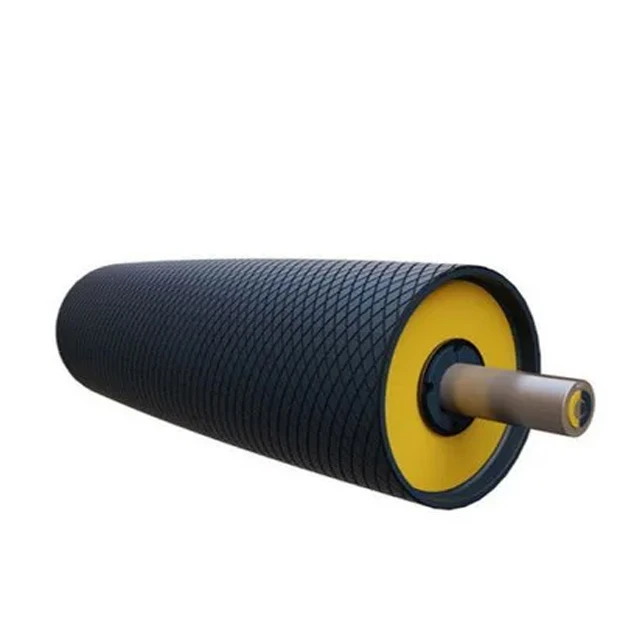
One of the biggest advantages of flat pulleys is their versatility. They can be used in almost any conveyor system, whether it's for light-duty applications like moving small packages in a warehouse or heavy-duty applications like transporting large rocks in a mining operation. They're also relatively easy to install and maintain, which makes them a popular choice for many businesses.
Another benefit of flat pulleys is that they offer a smooth and consistent surface for the conveyor belt to run on. This helps to reduce wear and tear on the belt, which can extend its lifespan and save you money in the long run. Additionally, flat pulleys are less likely to cause the belt to slip, especially when the load is evenly distributed across the belt.
However, flat pulleys do have some limitations. For example, they may not be the best choice for applications where the belt needs to be tracked precisely. Since there are no grooves to guide the belt, it can be more difficult to keep the belt centered on the pulley, especially if the conveyor system is operating at high speeds or under heavy loads.
Grooved Belt Conveyor Drum Pulleys
Grooved belt conveyor drum pulleys, on the other hand, have grooves or channels cut into their outer surface. These grooves are designed to help guide the conveyor belt and keep it centered on the pulley.
One of the main advantages of grooved pulleys is their ability to provide better belt tracking. The grooves act as a guide for the belt, which helps to prevent it from drifting off to one side or the other. This is especially important in applications where the belt needs to be aligned precisely, such as in conveyor systems that are used for sorting or packaging operations.
Grooved pulleys are also great for applications where the belt is likely to slip. The grooves provide additional friction between the pulley and the belt, which helps to prevent slipping and ensures that the belt moves smoothly and efficiently. This can be particularly useful in applications where the conveyor system is operating at high speeds or under heavy loads.
However, grooved pulleys do have some drawbacks. They can be more expensive to manufacture than flat pulleys because of the additional machining required to create the grooves. They also require more precise installation and maintenance to ensure that the grooves are properly aligned with the belt. If the grooves are not aligned correctly, it can cause the belt to wear unevenly or even damage the pulley.
Comparison between Flat and Grooved Pulleys
Now that we've looked at the features and advantages of both flat and grooved belt conveyor drum pulleys, let's compare them side by side.
Belt Tracking: As mentioned earlier, grooved pulleys offer better belt tracking than flat pulleys. The grooves help to keep the belt centered on the pulley, which reduces the risk of the belt drifting off to one side or the other. This is especially important in applications where precise belt alignment is required.
Friction and Slippage: Grooved pulleys provide more friction between the pulley and the belt, which helps to prevent slippage. This makes them a better choice for applications where the conveyor system is operating at high speeds or under heavy loads. Flat pulleys, on the other hand, may be more prone to slippage, especially if the load is not evenly distributed across the belt.
Cost: Flat pulleys are generally less expensive to manufacture than grooved pulleys because they require less machining. However, the cost of the pulley is just one factor to consider. You also need to take into account the cost of installation, maintenance, and replacement parts over the life of the conveyor system.
Versatility: Flat pulleys are more versatile than grooved pulleys because they can be used in a wider range of applications. They're suitable for both light-duty and heavy-duty applications, and they can be used with different types of conveyor belts. Grooved pulleys, on the other hand, are more specialized and are typically used in applications where precise belt tracking is required.
Applications of Flat and Grooved Pulleys
The choice between a flat and a grooved belt conveyor drum pulley depends on the specific requirements of your conveyor system. Here are some common applications for each type of pulley:
Flat Pulleys:
- Warehousing and Distribution: Flat pulleys are commonly used in warehouse conveyor systems to move small packages, boxes, and pallets. They're ideal for these applications because they provide a smooth and consistent surface for the conveyor belt to run on, which helps to prevent damage to the products being transported.
- Food Processing: In the food processing industry, flat pulleys are often used in conveyor systems to move food products from one processing station to another. They're easy to clean and maintain, which is important in a hygienic environment.
- Automotive Manufacturing: Flat pulleys are also used in automotive manufacturing plants to move parts and components along the assembly line. They're capable of handling heavy loads and can operate at high speeds, which makes them suitable for this type of application.
Grooved Pulleys:
- Sorting and Packaging: Grooved pulleys are commonly used in sorting and packaging conveyor systems to ensure that the conveyor belt stays centered on the pulley. This is important in these applications because it helps to prevent the products from falling off the belt and ensures that they are sorted and packaged correctly.
- Mining and Quarrying: In the mining and quarrying industry, grooved pulleys are often used in conveyor systems to transport large rocks and other heavy materials. The grooves help to prevent the belt from slipping, which is essential in these high-load applications.
- Printing and Paper Processing: Grooved pulleys are also used in printing and paper processing plants to move paper and other materials through the printing and finishing processes. The precise belt tracking provided by grooved pulleys helps to ensure that the printing and cutting operations are accurate.
Our Products
As a Belt Conveyor Drum Pulley supplier, we offer a wide range of flat and grooved pulleys to meet the needs of different conveyor systems. Our Belt Conveyor Rubber Lagged Pulley provides excellent traction and reduces belt slippage, making it suitable for both flat and grooved pulley applications. We also have Snub Pulleys that can be used to increase the wrap angle of the conveyor belt around the drive pulley, which improves the efficiency of the conveyor system. And for high-temperature applications, our Heat Resistant Ceramic Drive Pulley is a great choice.
Contact Us for Procurement
If you're in the market for belt conveyor drum pulleys, we'd love to hear from you. Whether you need a flat pulley for a general-purpose conveyor system or a grooved pulley for a specialized application, we can help you find the right solution. Our team of experts can provide you with technical advice and support to ensure that you get the best possible product for your needs. So, don't hesitate to reach out to us for procurement and let's start a great partnership!
References
- Conveyor Equipment Manufacturers Association (CEMA). Belt Conveyors for Bulk Materials.
- ASME B29.1 Standard for Belt Conveyor Pulleys.


