
Hey there! As a supplier of V-type Belt Cleaners, I've seen firsthand how these nifty devices can make a big difference in conveyor belt systems. One question that often comes up is, "What's the impact of a V-type Belt Cleaner on conveyor belt tension?" Well, let's dive right in and explore this topic.

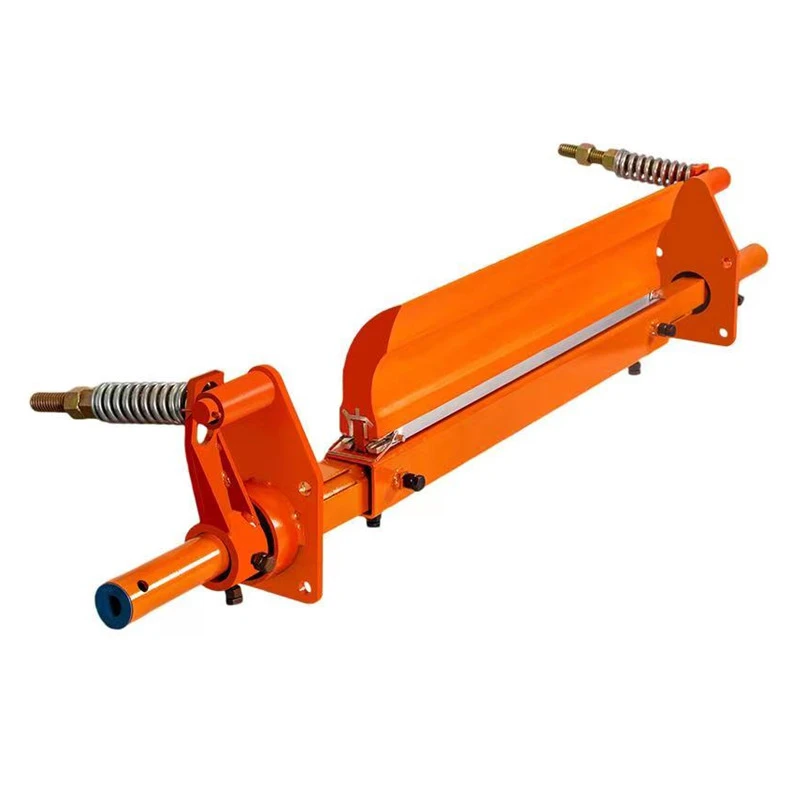
First off, let's understand what a V-type Belt Cleaner is. A V-type Belt Cleaner is a specialized cleaning device designed to remove material from the conveyor belt surface. It's shaped like a "V," which helps it effectively scrape off debris as the belt moves. This is super important because when there's a lot of material stuck to the belt, it can cause all sorts of problems, including increased wear and tear, reduced efficiency, and even damage to the belt itself.
Now, let's talk about conveyor belt tension. Belt tension is crucial for the proper functioning of a conveyor system. If the tension is too low, the belt can slip, causing the conveyor to stop working or leading to uneven movement. On the other hand, if the tension is too high, it can put excessive stress on the belt, bearings, and other components, leading to premature failure.
So, how does a V-type Belt Cleaner impact conveyor belt tension?
1. Reducing Friction and Drag
One of the main ways a V-type Belt Cleaner affects belt tension is by reducing friction and drag. When material builds up on the belt, it creates additional resistance as the belt moves. This resistance increases the force required to move the belt, which in turn increases the tension in the belt.
A V-type Belt Cleaner helps to keep the belt clean by removing this excess material. By doing so, it reduces the friction and drag on the belt. As a result, the force needed to move the belt is decreased, and the tension in the belt can be adjusted to a more optimal level. This not only helps to extend the life of the belt but also reduces the energy consumption of the conveyor system.
For example, let's say you have a conveyor belt that's transporting coal. Without a proper cleaner, coal dust and small particles can stick to the belt, creating a rough surface. This rough surface increases the friction between the belt and the pulleys, causing the belt to stretch and the tension to rise. By installing a V-type Belt Cleaner, you can keep the belt surface clean, reducing the friction and bringing the tension back to a normal level.
2. Preventing Belt Misalignment
Another way a V-type Belt Cleaner impacts belt tension is by preventing belt misalignment. When material accumulates on one side of the belt, it can cause the belt to shift or run off-center. This misalignment can lead to uneven tension distribution across the belt, with some areas experiencing higher tension than others.
A V-type Belt Cleaner ensures that the material is evenly removed from both sides of the belt. This helps to keep the belt centered on the pulleys and running smoothly. By maintaining proper alignment, the tension in the belt remains more uniform, reducing the risk of premature wear and failure.
Imagine a conveyor belt in a mining operation. If there's a build-up of ore on one side of the belt, the belt may start to drift towards that side. This can cause the tension on the opposite side to increase significantly, leading to belt damage. A V-type Belt Cleaner can prevent this from happening by keeping the belt clean and properly aligned.
3. Adjusting for Cleaner Pressure
The pressure exerted by the V-type Belt Cleaner on the belt also plays a role in belt tension. When the cleaner is too tight against the belt, it can create additional resistance and increase the tension. Conversely, if the cleaner is too loose, it may not effectively remove the material, leading to increased friction and tension over time.
It's important to adjust the pressure of the V-type Belt Cleaner correctly. Most modern V-type Belt Cleaners come with adjustable tensioning mechanisms that allow you to set the optimal pressure for your specific application. By finding the right balance, you can ensure that the cleaner effectively removes the material without putting excessive stress on the belt.
For instance, in a food processing plant, you need to be careful not to apply too much pressure with the cleaner, as it could damage the belt or contaminate the food. On the other hand, if the pressure is too low, food particles may remain on the belt, increasing the risk of bacteria growth and affecting the overall efficiency of the conveyor system.
Different Types of V-type Belt Cleaners and Their Impact
There are different types of V-type Belt Cleaners available in the market, such as Polyurethane Belt Cleaner and Carbide Belt Cleaner. Each type has its own characteristics and can impact belt tension in slightly different ways.
- Polyurethane Belt Cleaners: These cleaners are known for their flexibility and ability to conform to the shape of the belt. They are generally softer than carbide cleaners, which means they exert less pressure on the belt. This can be beneficial in reducing the impact on belt tension, especially for belts that are more sensitive to stress. However, they may not be as effective in removing very tough or sticky materials.
- Carbide Belt Cleaners: Carbide cleaners are more rigid and durable, making them ideal for applications where there's a lot of abrasive or stubborn material. They can provide a more aggressive cleaning action, but they also tend to exert more pressure on the belt. This means that careful adjustment of the cleaner pressure is even more important when using a carbide V-type Belt Cleaner to avoid excessive belt tension.
Conclusion
In conclusion, a V-type Belt Cleaner can have a significant impact on conveyor belt tension. By reducing friction and drag, preventing belt misalignment, and allowing for proper pressure adjustment, it helps to maintain optimal belt tension and extend the life of the belt and other conveyor components.
If you're experiencing issues with conveyor belt tension or want to improve the efficiency of your conveyor system, a V-type Belt Cleaner could be the solution you're looking for. Whether you choose a polyurethane or carbide cleaner depends on your specific application and the type of material you're transporting.
If you're interested in learning more about our V-type Belt Cleaners or want to discuss your conveyor system requirements, don't hesitate to reach out. We're here to help you find the best cleaning solution for your needs.
References
- Conveyor Belt Handbook, various industry publications
- Manufacturer's specifications and guidelines for V-type Belt Cleaners


