
Hey there! As a supplier of conveyor belt cleaners, I've been in the thick of it when it comes to understanding the nitty - gritty of these essential pieces of equipment. One question that often pops up is: What is the installation complexity of conveyor belt cleaners? Well, let's dive right in and break it down.
Understanding Conveyor Belt Cleaners
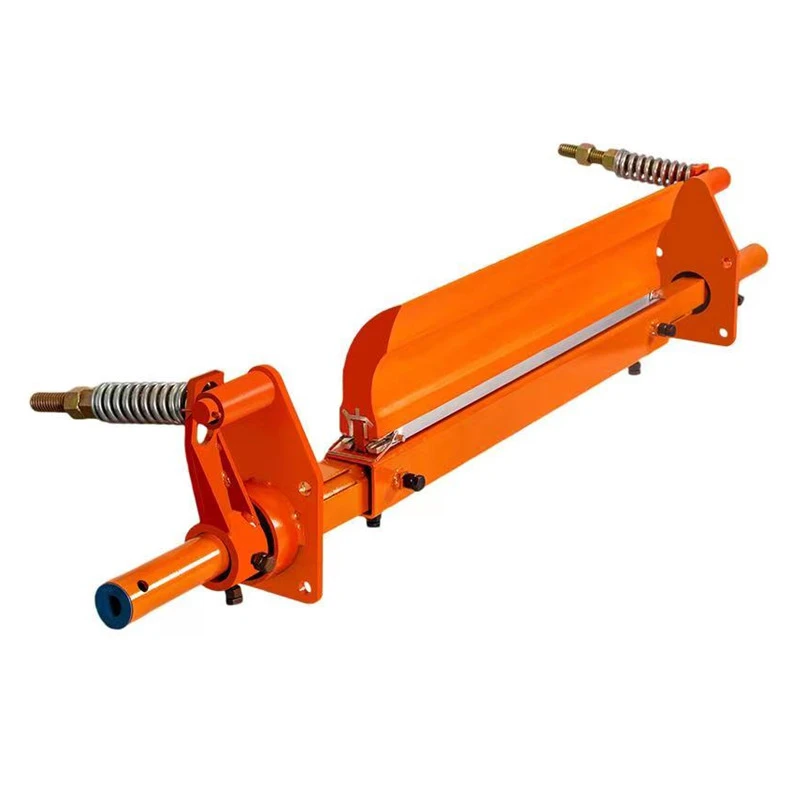
First off, for those who might not be too familiar, conveyor belt cleaners are crucial for keeping conveyor systems running smoothly. They help remove material that sticks to the belt, preventing build - up that can lead to all sorts of problems like belt mistracking, premature wear, and even damage to other components of the conveyor system. There are different types of conveyor belt cleaners, such as the V - type Belt Cleaner and the Polyurethane Belt Cleaner. Each type has its own unique features and installation requirements.
Factors Affecting Installation Complexity
Belt Type and Size
The type and size of the conveyor belt play a huge role in how complex the installation will be. For example, if you're dealing with a wide and long belt, it can be more challenging to install the cleaner properly. You need to ensure that the cleaner is evenly distributed across the width of the belt to effectively clean it. Also, different belt materials might require specific installation methods. Some belts are more flexible, while others are stiffer, and this can impact how the cleaner is attached.
Conveyor System Design
The overall design of the conveyor system is another major factor. If the conveyor has a lot of curves, inclines, or declines, it can make the installation of the cleaner more difficult. For instance, on an inclined conveyor, the cleaner needs to be installed in a way that it can still function effectively against gravity. Additionally, the space around the conveyor can be a limiting factor. If there isn't enough room to access the belt for installation, it can add to the complexity.
Cleaner Type
As I mentioned earlier, different types of cleaners have different installation requirements. The V - type Belt Cleaner is designed to provide a more aggressive cleaning action. Its installation might involve more precise alignment to ensure that the V - shaped blades make proper contact with the belt. On the other hand, the Polyurethane Belt Cleaner is known for its flexibility and durability. However, it still needs to be installed correctly to maintain its cleaning efficiency.
Installation Steps and Challenges
Preparation
Before starting the installation, a thorough inspection of the conveyor belt and the surrounding area is necessary. This includes checking for any damage to the belt, ensuring that the belt is clean, and measuring the dimensions accurately. One of the challenges during this stage is getting accurate measurements, especially if the conveyor is in an awkward location.
Mounting the Cleaner
Mounting the cleaner is a critical step. It usually involves attaching the cleaner to the conveyor frame or other support structures. This can be tricky because you need to make sure that the cleaner is firmly secured but also positioned at the right angle and height. For example, if the cleaner is mounted too high, it won't make proper contact with the belt, and if it's too low, it can cause excessive wear on the belt.
Adjustment and Testing
After mounting, the cleaner needs to be adjusted to ensure optimal performance. This might involve adjusting the tension of the blades or the pressure applied to the belt. Testing the cleaner is also essential. You need to run the conveyor belt and check if the cleaner is effectively removing the material. If there are any issues, such as uneven cleaning or excessive noise, further adjustments might be required.
Impact Bed and Its Role in Installation
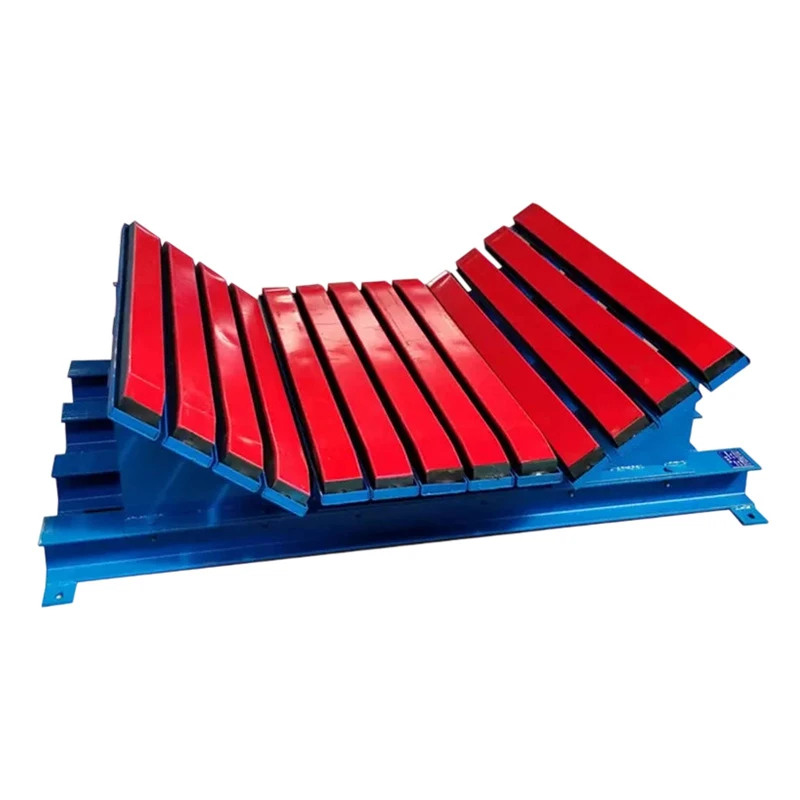
The Impact Bed is another important component in the conveyor system. It provides support to the belt at the loading point, reducing the impact of the material being loaded. When installing a conveyor belt cleaner, the presence of an impact bed can either simplify or complicate the process.
If the impact bed is already installed correctly, it can provide a stable base for the cleaner installation. However, if the impact bed is not properly aligned or has some issues, it can affect the installation of the cleaner. For example, if the impact bed is not level, it can cause the cleaner to be misaligned, leading to poor cleaning performance.
Tips to Simplify Installation
Plan Ahead
One of the best ways to reduce installation complexity is to plan ahead. This includes understanding the conveyor system thoroughly, choosing the right type of cleaner, and having all the necessary tools and equipment ready. A well - thought - out plan can save a lot of time and effort during the installation process.
Get Professional Help
If you're not confident in your installation skills, it's always a good idea to get professional help. As a conveyor belt cleaner supplier, we often offer installation services or can provide guidance to our customers. Professional installers have the experience and knowledge to handle even the most complex installations.
Training
Providing training to your maintenance staff can also simplify future installations and maintenance. When your staff knows how to install and maintain the conveyor belt cleaners properly, they can handle any issues that might arise more effectively.
Why Choose Our Conveyor Belt Cleaners
At our company, we understand the importance of easy installation. That's why we design our conveyor belt cleaners to be as user - friendly as possible. Our cleaners are made with high - quality materials, ensuring long - term performance and durability. We also offer comprehensive support to our customers, from choosing the right cleaner to providing installation guidance.
If you're in the market for conveyor belt cleaners and want to avoid the hassle of complex installations, we're here to help. Whether you need a V - type Belt Cleaner, a Polyurethane Belt Cleaner, or an Impact Bed, we've got you covered.
Let's Talk
If you're interested in our conveyor belt cleaners and want to discuss your specific needs, don't hesitate to reach out. We're always happy to have a chat and help you find the best solution for your conveyor system. Whether it's a small - scale operation or a large industrial setup, we can provide the right products and support.
References
- Conveyor Belt Handbook: A comprehensive guide on conveyor systems and their components.
- Industry reports on conveyor belt maintenance and cleaning technologies.


