
As a seasoned supplier of Steel Rollers, I've encountered numerous inquiries regarding the lifespan of these essential components. Understanding the factors that influence the longevity of a steel roller is crucial for businesses relying on conveyor systems. In this blog, I'll delve into the key aspects that determine the lifespan of a steel roller, offering insights based on my years of experience in the industry.
Understanding Steel Rollers
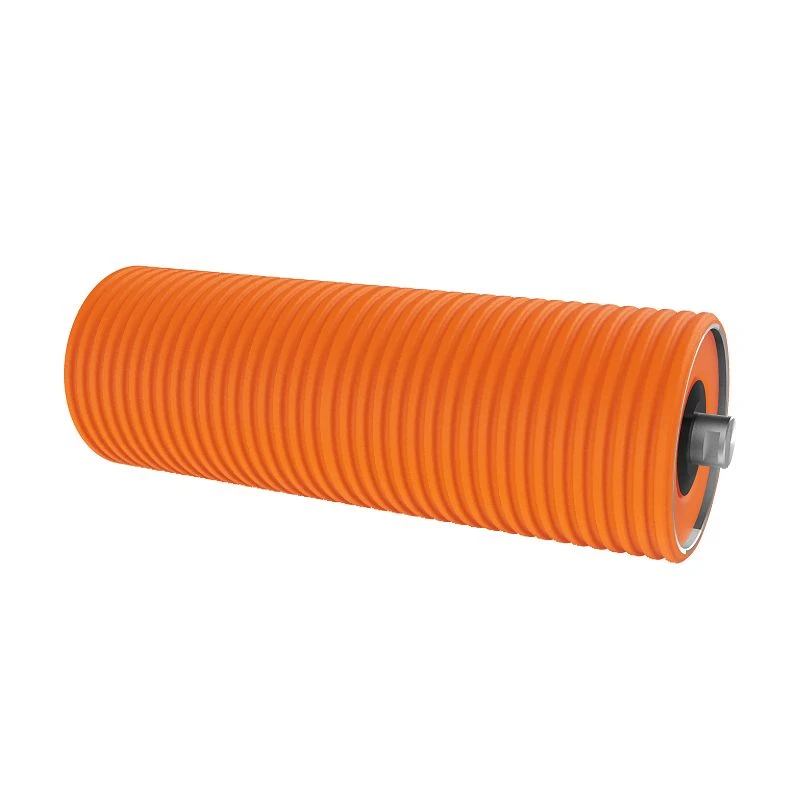
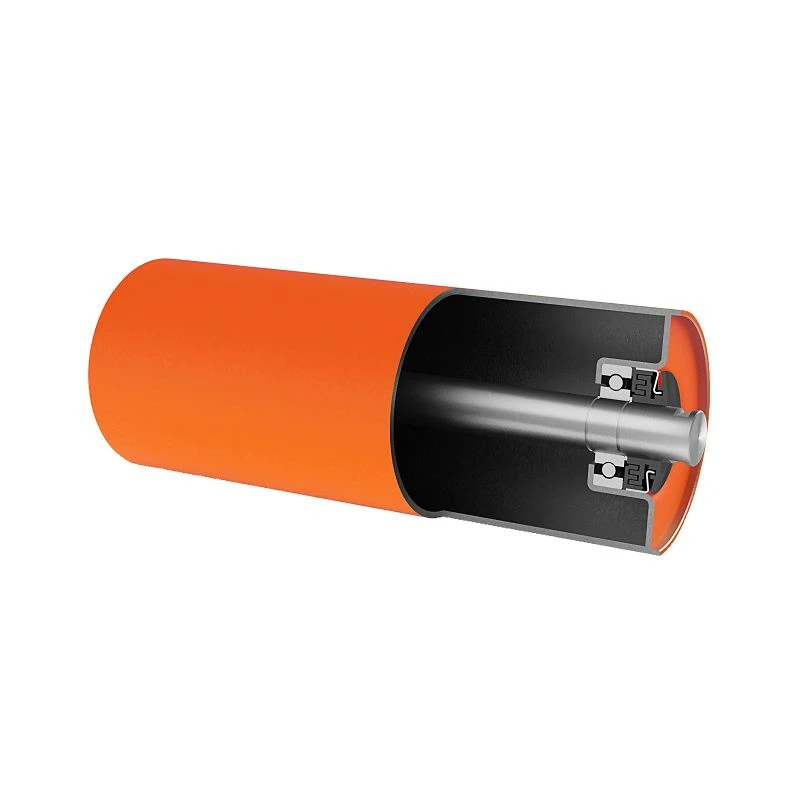
Before we explore the lifespan of steel rollers, let's briefly understand what they are and their significance in conveyor systems. Steel rollers are cylindrical components made of high - quality steel, designed to support and guide conveyor belts. They play a vital role in ensuring the smooth and efficient operation of conveyor systems across various industries, including mining, manufacturing, and logistics.
The Steel Roller is known for its durability and strength, making it a popular choice for heavy - duty applications. However, its lifespan can vary significantly depending on several factors.
Factors Affecting the Lifespan of Steel Rollers
1. Material Quality
The quality of the steel used in manufacturing the roller is one of the most critical factors. High - grade steel with appropriate heat treatment and alloying elements can resist wear, corrosion, and fatigue better than lower - quality steel. For example, rollers made from stainless steel are more resistant to corrosion in humid or corrosive environments, which can significantly extend their lifespan.
2. Operating Conditions
The environment in which the steel roller operates has a profound impact on its longevity. In harsh industrial settings, such as mines or chemical plants, rollers are exposed to abrasive materials, high temperatures, and corrosive substances. These conditions can accelerate wear and tear, reducing the roller's lifespan. On the other hand, in a clean and controlled environment, the roller can last much longer.
For instance, if a steel roller is used in a conveyor system that transports coal, it will be constantly exposed to abrasive coal particles. This abrasion can gradually wear down the surface of the roller, leading to premature failure. In contrast, a roller used in a food processing plant, where the environment is relatively clean, will experience less wear and have a longer lifespan.
3. Load Capacity
The amount of weight the roller is required to support also affects its lifespan. Overloading a roller can cause excessive stress on its bearings and shaft, leading to premature failure. It's essential to select a roller with an appropriate load - carrying capacity for the specific application. For example, in a heavy - duty mining conveyor system, rollers need to be able to support large amounts of ore or coal without deforming or breaking.
4. Maintenance and Lubrication
Regular maintenance and proper lubrication are essential for extending the lifespan of steel rollers. Lubrication reduces friction between the roller's moving parts, such as the bearings, which helps to prevent wear and overheating. Additionally, routine inspections can identify potential issues early, allowing for timely repairs or replacements.
If a roller is not properly lubricated, the increased friction can cause the bearings to overheat and seize, leading to a complete breakdown of the roller. Similarly, neglecting to clean the roller regularly can allow dirt and debris to accumulate, which can also accelerate wear.
Typical Lifespan of Steel Rollers
The lifespan of a steel roller can range from a few months to several years, depending on the factors mentioned above. In general, in a well - maintained and relatively clean operating environment, a high - quality steel roller can last anywhere from 3 to 5 years. However, in harsh industrial conditions, the lifespan may be reduced to as little as 6 months to 1 year.
For example, in a mining operation where the rollers are exposed to extreme abrasion and heavy loads, the rollers may need to be replaced every 6 to 12 months. In a more controlled manufacturing environment, such as an automotive assembly plant, the rollers can last 3 to 5 years with proper maintenance.
Comparing with Other Types of Rollers
Let's compare the lifespan of steel rollers with other types of rollers commonly used in conveyor systems.
Impact Rollers
Impact Rollers are designed to absorb the impact of heavy loads as they are loaded onto the conveyor belt. They are typically made of a combination of rubber and steel. While impact rollers can provide excellent shock absorption, their lifespan may be shorter than that of steel rollers in some cases. This is because the rubber components can wear out more quickly, especially in high - impact applications. However, in applications where there is a lot of impact, the trade - off in lifespan may be worth it to protect the conveyor belt.
Side Wing Roller Idlers
Side Wing Roller Idlers are used to guide the conveyor belt and prevent it from drifting. They are often made of plastic or steel. Plastic side wing roller idlers may have a shorter lifespan compared to steel ones, especially in applications where they are exposed to high temperatures or abrasive materials. Steel side wing roller idlers, on the other hand, can offer better durability and a longer lifespan.
Extending the Lifespan of Steel Rollers
As a supplier, I always recommend the following practices to extend the lifespan of steel rollers:
- Select the Right Roller: Choose a roller with the appropriate material, load capacity, and design for the specific application.
- Regular Maintenance: Implement a regular maintenance schedule that includes cleaning, lubrication, and inspections.
- Monitor Operating Conditions: Keep an eye on the operating environment, such as temperature, humidity, and the presence of abrasive or corrosive substances. Make adjustments as needed to protect the rollers.
- Train Employees: Ensure that employees are trained on the proper use and maintenance of the conveyor system, including the steel rollers.
Conclusion
In conclusion, the lifespan of a steel roller is influenced by a variety of factors, including material quality, operating conditions, load capacity, and maintenance. By understanding these factors and taking appropriate measures, businesses can maximize the lifespan of their steel rollers, reducing downtime and maintenance costs.
If you're in the market for high - quality steel rollers or need advice on extending the lifespan of your existing rollers, I encourage you to reach out. Our team of experts is ready to assist you in finding the right solutions for your conveyor system needs. Contact us to start a discussion about your requirements and how we can help you optimize your operations.
References
- Industry standards and guidelines for conveyor system components.
- Manufacturer's specifications for steel rollers.
- Case studies and research on the performance of steel rollers in different applications.


