
As a supplier of V - type Belt Cleaners, one of the most frequently asked questions from our customers is: "What is the maximum belt speed that a V - type Belt Cleaner can handle?" In this blog post, I'll delve into this topic, exploring the factors that influence the maximum belt speed and providing some insights based on our experience in the industry.
Understanding V - type Belt Cleaners
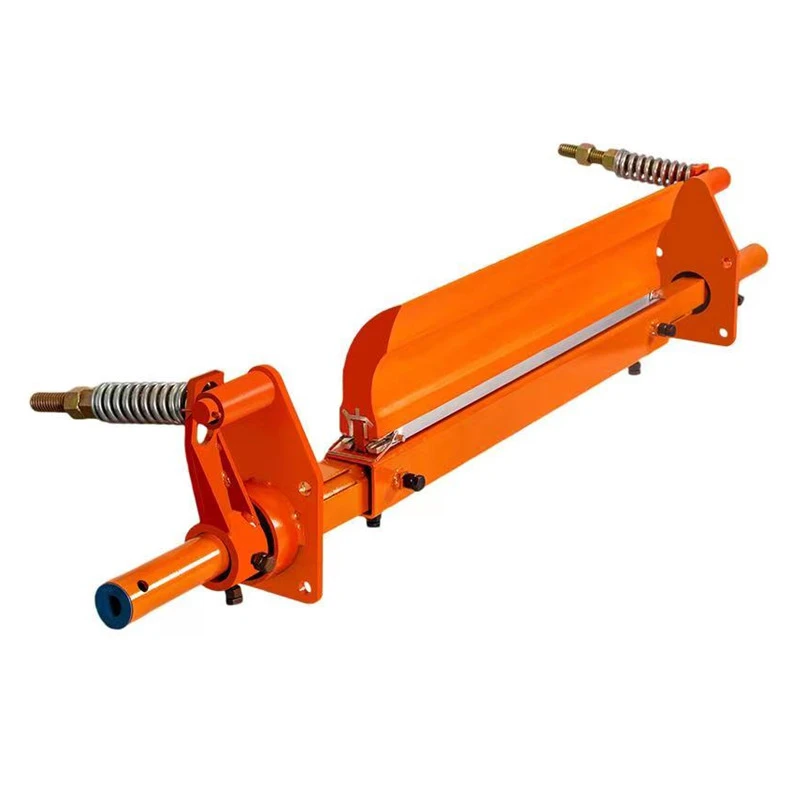
V - type Belt Cleaners are essential components in conveyor systems. They are designed to remove carryback, which is the material that adheres to the belt after it has passed over the discharge pulley. This carryback can cause a variety of problems, such as increased wear on the belt and other conveyor components, environmental pollution, and safety hazards. By effectively removing carryback, V - type Belt Cleaners help to improve the efficiency and reliability of conveyor systems.
Factors Affecting the Maximum Belt Speed
Several factors come into play when determining the maximum belt speed that a V - type Belt Cleaner can handle.
Belt Material and Condition
The type of belt material and its condition have a significant impact on the performance of the belt cleaner at high speeds. For example, a smooth - surfaced belt may allow for higher belt speeds compared to a belt with a rough or damaged surface. A worn - out belt may also cause the cleaner to wear more quickly, reducing its effectiveness at high speeds.
Cleaner Blade Material
The material of the cleaner blade is crucial. Different blade materials have different wear resistances and frictional properties. For instance, Polyurethane Belt Cleaner blades are known for their flexibility and good cleaning performance at moderate speeds. They can adapt to the shape of the belt, but at very high speeds, they may experience excessive wear. On the other hand, Carbide Belt Cleaner blades are extremely hard and wear - resistant, making them suitable for higher belt speeds. However, they are also more brittle and may require more precise installation and adjustment.
Tensioning System
A proper tensioning system is necessary to ensure that the cleaner blade maintains consistent contact with the belt. At high belt speeds, the belt may vibrate, and an ineffective tensioning system can cause the blade to lose contact with the belt, reducing the cleaning efficiency. A well - designed tensioning system can compensate for these vibrations and keep the blade in optimal contact with the belt, allowing for higher belt speeds.
Conveyor Design
The design of the conveyor itself can affect the maximum belt speed that the cleaner can handle. Factors such as the length of the conveyor, the number of pulleys, and the angle of inclination all play a role. For example, a long conveyor with multiple pulleys may cause more belt sag and vibration, which can limit the maximum belt speed for effective cleaning. Additionally, an inclined conveyor may require a different cleaning approach compared to a horizontal one.
Determining the Maximum Belt Speed
Based on our experience and industry standards, the maximum belt speed that a V - type Belt Cleaner can handle typically ranges from 3 to 6 meters per second. However, this is a general guideline, and the actual maximum speed can vary depending on the factors mentioned above.
For applications with relatively clean belts and low - impact loads, a V - type Belt Cleaner with a polyurethane blade may be able to handle belt speeds up to 4 meters per second. In contrast, for heavy - duty applications with abrasive materials and high - speed conveyors, a carbide - blade cleaner may be required, and it can potentially handle speeds up to 6 meters per second or even higher in some cases.
It's important to note that these are not absolute limits. With proper design, installation, and maintenance, it may be possible to operate the cleaner at slightly higher speeds. However, exceeding the recommended speed without considering the factors mentioned above can lead to premature wear of the cleaner blade, reduced cleaning efficiency, and potential damage to the belt and other conveyor components.
Importance of Proper Installation and Maintenance
Proper installation and maintenance are key to achieving the maximum belt speed for a V - type Belt Cleaner. During installation, it's essential to ensure that the cleaner is correctly aligned with the belt and that the blade has the proper tension. Any misalignment or incorrect tension can cause uneven wear on the blade and reduce its effectiveness.
Regular maintenance is also crucial. This includes inspecting the blade for wear, checking the tensioning system, and cleaning the cleaner and the surrounding area. By performing these maintenance tasks regularly, you can extend the lifespan of the cleaner and ensure that it continues to operate effectively at high belt speeds.
Related Conveyor Components
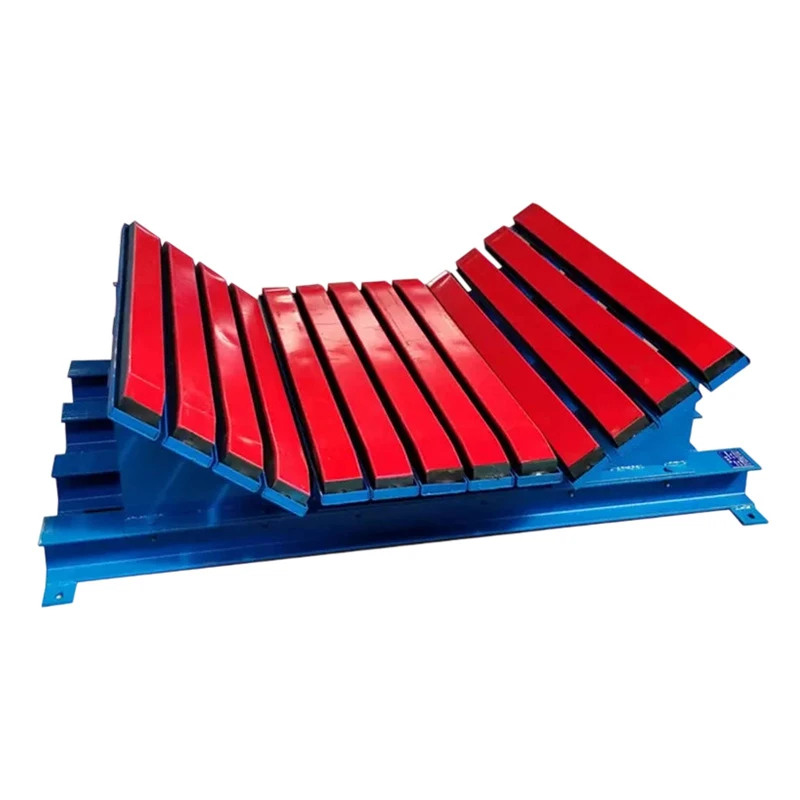
In addition to V - type Belt Cleaners, other conveyor components also play a role in the overall performance of the conveyor system at high speeds. For example, Impact Bed is used to support the belt at the loading point. A well - designed impact bed can reduce the impact force on the belt, minimizing belt damage and vibration. This, in turn, can help the V - type Belt Cleaner to operate more effectively at higher belt speeds.
Conclusion
In conclusion, the maximum belt speed that a V - type Belt Cleaner can handle is influenced by multiple factors, including belt material and condition, cleaner blade material, tensioning system, and conveyor design. While the general range is between 3 to 6 meters per second, careful consideration of these factors and proper installation and maintenance are necessary to achieve optimal performance at high speeds.
If you're in the market for a V - type Belt Cleaner or have questions about the maximum belt speed for your specific application, we're here to help. Our team of experts can provide you with detailed information and guidance to ensure that you choose the right cleaner for your conveyor system. Contact us to start a discussion about your requirements and explore how our V - type Belt Cleaners can improve the efficiency and reliability of your conveyor operations.
References
- Conveyor Belt Handbook, various industry editions
- Technical papers on conveyor belt cleaning systems from leading manufacturers


