
Hey there! As a supplier of wing pulleys, I've been getting a lot of questions lately about what exactly these things do in a water treatment plant. So, I thought I'd take a few minutes to break it down and give you a better understanding of their role.
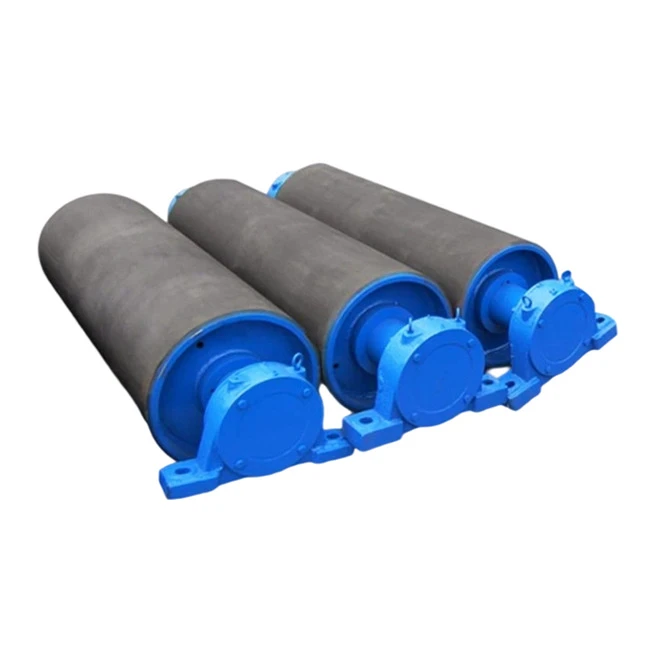
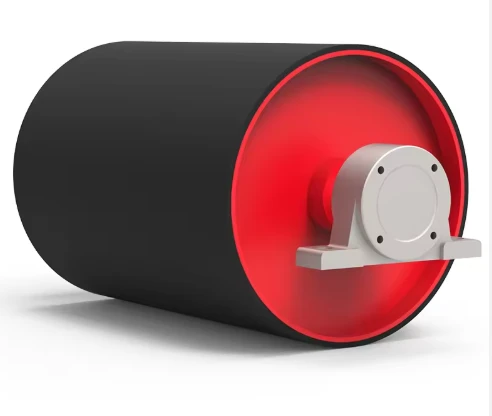
First off, let's talk about what a wing pulley is. A wing pulley is a type of pulley that's designed with a series of wings or fins on its surface. These wings help to clean the belt as it passes over the pulley, removing any debris or material that might be stuck to it. This is important because in a water treatment plant, there's a lot of sludge, sediment, and other contaminants that can build up on the conveyor belts. If these belts aren't kept clean, it can lead to all sorts of problems, like reduced efficiency, increased wear and tear, and even belt failure.
Now, let's get into the specific role of wing pulleys in a water treatment plant. There are a few different areas where these pulleys are used, and each one has its own unique function.
Belt Cleaning
One of the primary roles of wing pulleys in a water treatment plant is belt cleaning. As I mentioned earlier, the conveyor belts in a water treatment plant are constantly exposed to sludge, sediment, and other contaminants. Over time, these materials can build up on the belts, causing them to become dirty and less efficient. Wing pulleys help to prevent this by scraping the belts clean as they pass over the pulley. The wings on the pulley act like little brushes, removing any debris that might be stuck to the belt. This not only helps to keep the belts clean, but it also helps to extend their lifespan.
Belt Tracking
Another important role of wing pulleys in a water treatment plant is belt tracking. Conveyor belts can sometimes wander off to one side or the other, which can cause them to rub against the sides of the conveyor frame. This can lead to increased wear and tear on the belts, as well as reduced efficiency. Wing pulleys help to prevent this by guiding the belts back into place. The wings on the pulley act like a guide, keeping the belt centered on the pulley and preventing it from wandering off to one side or the other.
Tensioning
Wing pulleys can also be used to tension the conveyor belts in a water treatment plant. Tensioning is important because it helps to keep the belts tight and prevent them from slipping. If the belts are too loose, they can slip on the pulleys, which can cause them to wear out more quickly. If the belts are too tight, they can put too much stress on the pulleys and other components of the conveyor system. Wing pulleys can be adjusted to provide the right amount of tension for the belts, ensuring that they operate smoothly and efficiently.
Other Types of Pulleys in Water Treatment Plants
In addition to wing pulleys, there are several other types of pulleys that are commonly used in water treatment plants. Let's take a look at a few of them.
CEMA Duty Drum Pulley
The CEMA Duty Drum Pulley is a type of pulley that's designed to handle heavy loads and high speeds. These pulleys are typically used in applications where there's a lot of material to be moved, such as in the transfer of sludge or sediment from one part of the water treatment plant to another.
Take-up Pulley
The Take-up Pulley is used to adjust the tension of the conveyor belt. As the belt stretches over time, the take-up pulley can be adjusted to keep the belt tight. This helps to prevent the belt from slipping and ensures that it operates smoothly.
Motorized Pulley
The Motorized Pulley is a type of pulley that has a motor built into it. This eliminates the need for a separate motor and drive system, making the conveyor system more compact and efficient. Motorized pulleys are often used in applications where space is limited, such as in small water treatment plants.
Why Choose Our Wing Pulleys?
Now that you know a little bit about the role of wing pulleys in a water treatment plant, you might be wondering why you should choose our wing pulleys over the competition. Well, here are a few reasons:
- Quality: We use only the highest quality materials and manufacturing processes to ensure that our wing pulleys are durable and reliable.
- Customization: We offer a wide range of wing pulley sizes and configurations to meet the specific needs of your water treatment plant.
- Expertise: Our team of experts has years of experience in the conveyor industry, and we can provide you with the support and guidance you need to choose the right wing pulleys for your application.
- Price: We offer competitive pricing on all of our wing pulleys, so you can get the quality you need at a price you can afford.
Contact Us for Your Wing Pulley Needs
If you're in the market for wing pulleys for your water treatment plant, I encourage you to contact us. We'd be happy to discuss your specific needs and provide you with a quote. Whether you need a single wing pulley or a complete conveyor system, we have the expertise and resources to help you get the job done right.
So, don't hesitate to reach out and start the conversation. Let's work together to find the perfect wing pulleys for your water treatment plant.
References
- "Conveyor Pulleys: Design, Selection, and Application" by Conveyor Equipment Manufacturers Association (CEMA)
- "Water Treatment Plant Design" by Metcalf & Eddy


