
What is the torque requirement for a belt conveyor drum pulley?
As a leading supplier of Belt Conveyor Drum Pulleys, I often encounter inquiries regarding the torque requirements for these essential components. Understanding the torque requirements is crucial for the efficient and reliable operation of belt conveyors. In this blog post, I will delve into the factors that influence the torque requirements of a belt conveyor drum pulley and provide insights on how to calculate them accurately.
Factors Affecting Torque Requirements
Several factors contribute to the torque requirements of a belt conveyor drum pulley. These factors include the conveyor's design, the conveyed material, the operating conditions, and the pulley's characteristics. Let's take a closer look at each of these factors:
- Conveyor Design: The design of the conveyor system plays a significant role in determining the torque requirements. Factors such as the conveyor's length, width, speed, and inclination angle can all affect the amount of torque needed to drive the drum pulley. Longer conveyors, for example, require more torque to overcome the frictional forces between the belt and the pulleys, as well as the weight of the conveyed material. Similarly, conveyors with steeper inclination angles require more torque to lift the material against gravity.
- Conveyed Material: The type, density, and flowability of the conveyed material also impact the torque requirements. Materials with higher densities or poor flowability require more torque to move along the conveyor. For instance, conveying heavy aggregates or sticky materials may necessitate a more powerful motor and a higher torque capacity pulley to ensure smooth operation.
- Operating Conditions: The operating conditions of the conveyor, such as the ambient temperature, humidity, and the presence of dust or debris, can affect the torque requirements. Extreme temperatures can cause the belt to expand or contract, altering the tension and frictional forces in the system. Additionally, dusty or dirty environments can increase the friction between the belt and the pulleys, requiring more torque to maintain the desired speed.
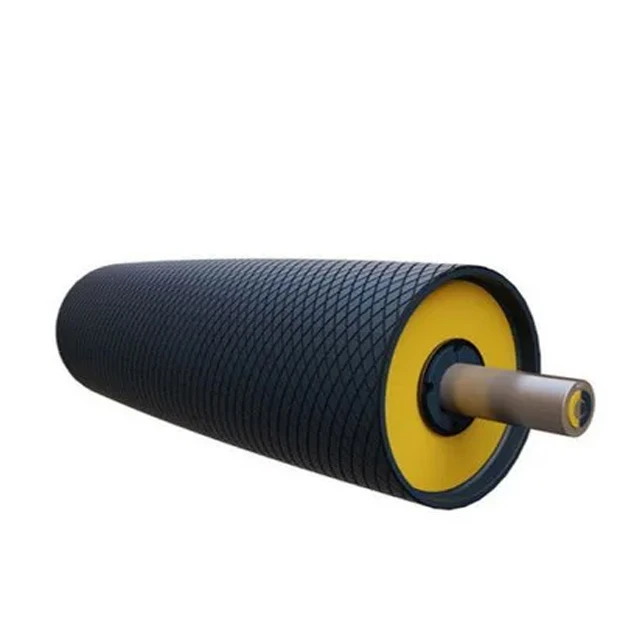
- Pulley Characteristics: The size, diameter, and surface finish of the drum pulley can influence the torque requirements. Larger diameter pulleys generally require more torque to rotate, as they have a greater moment of inertia. The surface finish of the pulley also affects the friction between the belt and the pulley. A smooth surface may reduce friction, while a rough or grooved surface can increase it, depending on the application.
Calculating Torque Requirements
Calculating the torque requirements for a belt conveyor drum pulley involves considering the various factors mentioned above. While the exact calculation method may vary depending on the specific conveyor design and application, the following steps provide a general guideline:
Determine the Belt Tension: The belt tension is a critical parameter in calculating the torque requirements. It can be calculated using the following formula:
[T = \frac{F \times L}{D}]
where (T) is the belt tension (in N), (F) is the force required to move the conveyed material (in N), (L) is the length of the conveyor (in m), and (D) is the diameter of the drum pulley (in m).Calculate the Torque: Once the belt tension is determined, the torque required to drive the drum pulley can be calculated using the following formula:
[Torque = T \times \frac{D}{2}]
where (Torque) is the torque (in Nm), (T) is the belt tension (in N), and (D) is the diameter of the drum pulley (in m).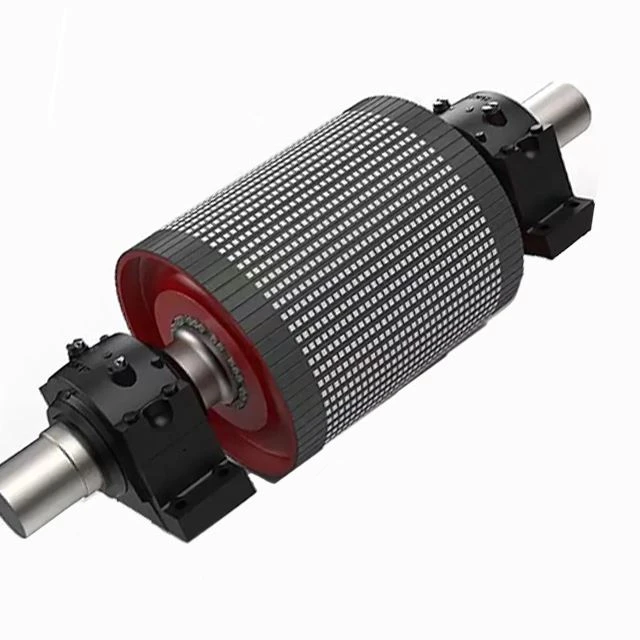
Consider Safety Factors: It is important to consider safety factors when calculating the torque requirements to account for uncertainties and variations in the operating conditions. A safety factor of 1.2 to 1.5 is commonly used to ensure that the pulley and motor can handle unexpected loads or fluctuations in the system.
Importance of Meeting Torque Requirements
Meeting the torque requirements of a belt conveyor drum pulley is essential for several reasons:
- Efficient Operation: A pulley with the appropriate torque capacity can ensure smooth and efficient operation of the conveyor. It can prevent slippage between the belt and the pulley, which can lead to reduced throughput, increased wear and tear, and potential damage to the system.
- Longevity of Components: By providing sufficient torque, the pulley and motor can operate within their designed limits, reducing the risk of premature failure. This can extend the lifespan of the conveyor components and minimize maintenance costs.
- Safety: Adequate torque is crucial for maintaining the stability and safety of the conveyor system. Insufficient torque can cause the conveyor to stall or stop abruptly, which can pose a safety hazard to operators and damage the conveyed material.
Types of Pulleys and Their Torque Requirements
There are several types of pulleys used in belt conveyors, each with its own torque requirements. Some common types of pulleys include:
- Snub Pulleys: Snub pulleys are used to increase the wrap angle of the belt around the drive pulley, thereby increasing the friction and the effective pulling force. They typically require less torque compared to drive pulleys, as their main function is to guide the belt rather than drive it.
- Motorized Pulley: Motorized pulleys integrate the motor and the pulley into a single unit, eliminating the need for external drives. They are commonly used in compact conveyor systems and require a motor with sufficient torque to drive the pulley and the conveyed material.
- Magnetic Pulley: Magnetic pulleys are used to separate ferrous materials from the conveyed material. They require a motor with enough torque to overcome the magnetic forces and drive the pulley at the desired speed.
Conclusion
In conclusion, understanding the torque requirements for a belt conveyor drum pulley is crucial for the efficient and reliable operation of the conveyor system. By considering the various factors that influence the torque requirements, such as the conveyor design, conveyed material, operating conditions, and pulley characteristics, and using the appropriate calculation methods, you can ensure that the pulley and motor are properly sized for the application. As a supplier of Belt Conveyor Drum Pulleys, we have the expertise and experience to help you select the right pulley for your specific needs. If you have any questions or need assistance in determining the torque requirements for your conveyor system, please do not hesitate to [contact us for procurement and further discussions](your preferred way to prompt contact, e.g., fill out a form on our website). We look forward to working with you to optimize your conveyor performance.
References
- CEMA (Conveyor Equipment Manufacturers Association). Belt Conveyor Design Manual.
- ISO (International Organization for Standardization). ISO 5048: Continuous handling equipment - Belt conveyors - Calculation of operating power and tension.


