
What is the weight of an Impact Roller?
As a supplier of impact rollers, I am often asked about the weight of these crucial components in belt conveyor systems. The weight of an impact roller is a significant factor that can influence the performance, durability, and overall efficiency of a conveyor system. In this blog post, I will delve into the various aspects related to the weight of impact rollers, including what affects it, why it matters, and how to choose the right weight for your specific application.
Factors Affecting the Weight of an Impact Roller
The weight of an impact roller is determined by several key factors, each playing a role in its overall mass.
Material Composition
- The material used to construct the impact roller is one of the primary determinants of its weight. For example, a Steel Roller is typically heavier than a roller made from other materials. Steel is a dense and strong material, which provides excellent durability and resistance to wear and tear. On the other hand, rollers made from lighter materials such as composite plastics may be significantly lighter, but they may not offer the same level of strength and longevity in high - impact applications.
- The quality and grade of the steel also matter. Higher - grade steels may have different densities, which can affect the weight of the roller. For instance, a roller made from high - carbon steel may be heavier than one made from low - carbon steel due to the differences in their chemical compositions.
Size and Dimensions
- The diameter and length of the impact roller have a direct impact on its weight. Larger diameter rollers generally weigh more than smaller ones, as they require more material to manufacture. Similarly, longer rollers will also have a greater weight compared to shorter ones. For example, a conveyor system that needs to handle large - volume and heavy - duty materials may require impact rollers with larger diameters and lengths, which in turn will be heavier.
- The wall thickness of the roller tube is another important dimension. A thicker - walled roller will be heavier than a thinner - walled one. Thicker walls are often used in applications where the roller needs to withstand high impact forces, such as in mining or heavy - industry conveyor systems.
Design and Construction
- The internal structure of the impact roller can affect its weight. Some impact rollers have a solid core, while others may have a hollow core. Solid - core rollers are generally heavier but offer greater strength and stability. Hollow - core rollers, on the other hand, are lighter and can be more cost - effective in some applications.
- The presence of additional features such as bearings, seals, and end caps also contributes to the weight. High - quality bearings and seals may add some weight to the roller, but they are essential for ensuring smooth operation and preventing contamination.
Why the Weight of an Impact Roller Matters
The weight of an impact roller is not just a matter of numbers; it has several practical implications for the operation of a conveyor system.
Load - Bearing Capacity
- A heavier impact roller generally has a higher load - bearing capacity. In conveyor systems that handle heavy materials, such as coal, ore, or large - sized aggregates, the impact rollers need to be able to support the weight of the conveyed material without deforming or failing. A roller with an appropriate weight can distribute the load evenly across the conveyor belt, reducing the risk of belt damage and ensuring smooth material flow.
- For example, in a mining conveyor system where large chunks of ore are being transported, a heavy - duty impact roller is necessary to withstand the high impact forces and support the weight of the ore.
Conveyor System Performance
- The weight of the impact roller can affect the overall performance of the conveyor system. Heavier rollers can help to maintain the tension of the conveyor belt, reducing the likelihood of belt slippage. This is particularly important in inclined conveyor systems, where proper belt tension is crucial for efficient material transport.
- Additionally, the weight of the rollers can influence the power requirements of the conveyor system. Heavier rollers may require more power to rotate, but they can also provide better stability and reduce vibrations, which can ultimately lead to a more efficient and reliable operation.
Durability and Longevity
- A well - designed and appropriately weighted impact roller is more likely to have a longer service life. Heavier rollers made from high - quality materials can withstand the wear and tear associated with continuous operation in harsh environments. They are less likely to deform or break under high impact forces, reducing the need for frequent replacements and maintenance.
- For example, in a quarry conveyor system exposed to dust, dirt, and abrasive materials, a heavy - duty impact roller can resist abrasion and corrosion better than a lighter and less - durable one.
Choosing the Right Weight of an Impact Roller
Selecting the appropriate weight of an impact roller for your conveyor system requires careful consideration of several factors.
Application Requirements
- First, you need to understand the specific requirements of your application. Consider the type of material being conveyed, its weight, and the volume of material per unit time. For example, if you are conveying light - weight materials such as grains or wood chips, you may not need extremely heavy impact rollers. However, if you are dealing with heavy - duty materials like iron ore or large - sized rocks, heavier rollers will be necessary.
- The operating environment is also important. Conveyor systems in harsh environments, such as those exposed to extreme temperatures, moisture, or corrosive substances, may require impact rollers with specific weights and materials to ensure durability.
Conveyor System Design
- The design of the conveyor system, including its speed, inclination, and length, can influence the choice of impact roller weight. High - speed conveyor systems may require lighter rollers to reduce the inertia and power consumption, while inclined conveyor systems may need heavier rollers to maintain belt tension.
- The spacing between the impact rollers is another factor. Closer roller spacing may allow for the use of lighter rollers, as the load is distributed more evenly across multiple rollers.
Cost - Benefit Analysis
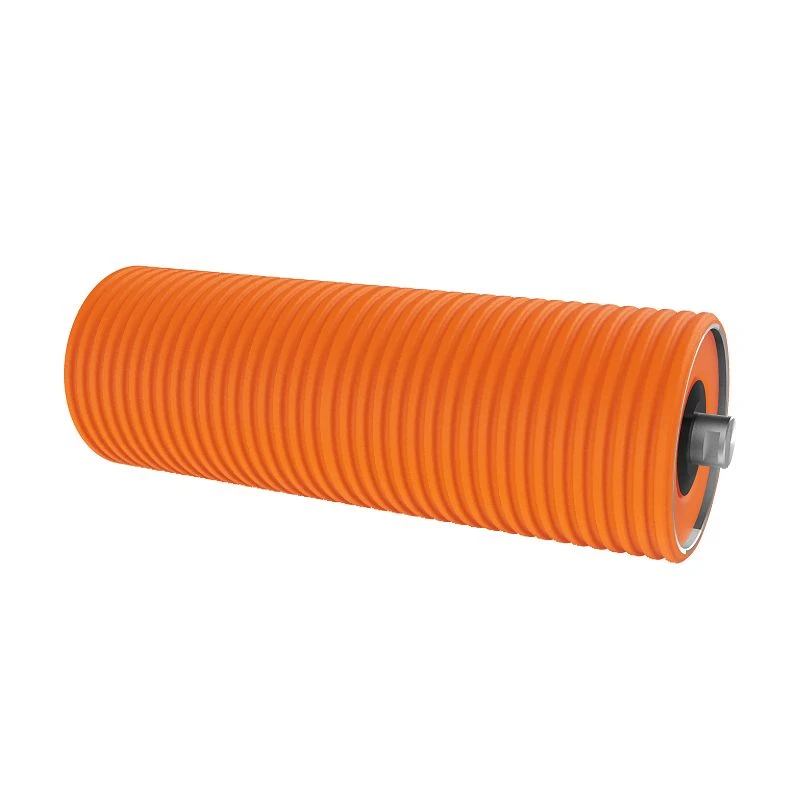
- You need to balance the cost of the impact roller with its performance and durability. Heavier rollers made from high - quality materials may be more expensive upfront, but they can save money in the long run by reducing maintenance and replacement costs. On the other hand, if your application does not require heavy - duty rollers, choosing lighter and more cost - effective options can be a viable solution.
Different Types of Impact Rollers and Their Weights
There are several types of impact rollers available in the market, each with its own weight characteristics.
- Standard impact rollers are designed to absorb the impact forces generated when materials are loaded onto the conveyor belt. Their weights can vary widely depending on the factors mentioned above. In general, for a medium - sized conveyor system used in a manufacturing plant, an impact roller with a diameter of around 100 - 150 mm and a length of 500 - 1000 mm may weigh between 10 - 30 kg. However, for large - scale mining or heavy - industry applications, impact rollers can weigh several hundred kilograms.
- Sleeve rollers and comb rollers are often used in conveyor systems to protect the belt and reduce impact forces. Their weights are also influenced by their size, material, and design. Sleeve rollers are typically lighter than standard impact rollers, as they are designed to have a more flexible and shock - absorbing structure. Comb rollers, which have a unique comb - like design, can vary in weight depending on the number and size of the combs. A small - sized sleeve roller or comb roller may weigh around 5 - 15 kg, while larger ones can weigh up to 50 kg or more.
- Steel rollers are known for their strength and durability. As mentioned earlier, their weight can vary depending on the grade of steel, size, and wall thickness. A steel impact roller with a diameter of 200 mm and a length of 1500 mm may weigh around 100 - 200 kg, depending on the specific design and construction.
Conclusion
The weight of an impact roller is a critical factor that affects the performance, durability, and cost - effectiveness of a conveyor system. As a supplier, I understand the importance of providing the right impact rollers for different applications. By considering the material composition, size, design, and application requirements, you can choose the impact rollers with the appropriate weight to ensure the smooth and efficient operation of your conveyor system.
If you are in the process of selecting impact rollers for your conveyor system or have any questions about their weights and specifications, I encourage you to contact me for further discussion and procurement. We can work together to find the best solutions that meet your specific needs.
References
- Conveyor Belt Handbook, published by a leading industry association.
- Technical papers on conveyor system design and impact roller technology from academic journals.


