
Hey there! As a Seal supplier, I've always been fascinated by these amazing creatures and how they move through the water. Seals are truly remarkable swimmers, and in this blog, I'm going to dive deep into the question: How do seals swim?
The Anatomy of a Seal: Built for Swimming
First off, let's talk about the seal's body structure. Seals have a streamlined body shape, which is super important for reducing drag in the water. Their bodies are sort of torpedo - shaped, with a rounded head that smoothly transitions into a long, tapered torso. This shape allows them to glide through the water with minimal resistance, kind of like a high - speed bullet cutting through the air.
Their flippers are another key part of their swimming ability. The front flippers are large and strong. They act like paddles and rudders at the same time. When a seal wants to move forward, it uses these front flippers to push against the water. The flippers have a flexible joint structure that lets the seal change the angle and shape of the flipper as it moves through the water. This flexibility helps them generate more power and control their direction.
The hind flippers are also crucial. They are used mainly for steering and stability. Seals can move their hind flippers independently, which gives them great maneuverability. They can make sharp turns, slow down, or speed up just by adjusting the position and movement of these flippers.
The Swimming Technique of Seals
Seals use a combination of undulating body movements and flipper strokes to swim. When they start swimming, they arch their backs and then straighten them in a wave - like motion. This undulation of the body helps to propel them forward. It's like a snake moving through the water, but with the added power of the flippers.
The front flippers play a big role in the initial propulsion. Seals will bring their front flippers forward, then sweep them back in a wide arc. This sweeping motion creates a force that pushes the seal forward. The power of these strokes comes from the strong muscles in the shoulders and chest of the seal.
As they swim, the hind flippers are constantly adjusting. If a seal wants to turn to the left, it will move its right hind flipper more vigorously than the left one. This creates a difference in the force applied on each side of the body, causing the seal to change direction.
Different Types of Seals and Their Swimming Styles
There are different species of seals, and each has its own unique swimming style. For example, the harbor seal is a relatively slow - moving seal. It often swims close to the shore and uses a more leisurely, relaxed swimming style. It relies more on its body undulation and gentle flipper strokes to move through the water.
On the other hand, the leopard seal is a much more aggressive and fast - swimming species. Leopard seals are known for their speed and agility. They can reach high speeds in short bursts, which helps them catch their prey, like penguins. Their swimming style is more energetic, with powerful flipper strokes and rapid body undulations.
Adaptations for Swimming in Different Environments
Seals have also adapted to swim in different environments. Some seals live in cold, icy waters, like the Arctic. These seals have a thick layer of blubber, which not only keeps them warm but also helps with buoyancy. The blubber makes them more floaty in the water, so they don't have to use as much energy to stay afloat.
Seals that live in warmer waters, like the California sea lion, have a thinner layer of blubber. They rely more on their muscle strength and efficient swimming techniques to move through the water. They are also more likely to be found in areas with more currents, so they have learned to use these currents to their advantage. By riding the currents, they can save energy and travel longer distances.
How Seals' Swimming Abilities Benefit Us
As a Seal supplier, I'm not just interested in the biology of seals. I'm also aware of how their swimming abilities can inspire technology. For example, the streamlined shape of a seal's body has been studied by engineers to design more efficient boats and submarines. By mimicking the shape of a seal, these vessels can move through the water with less drag, which means they use less fuel and can travel faster.
The way seals use their flippers for propulsion and steering has also influenced the design of underwater robots. These robots can be used for various purposes, such as ocean exploration and environmental monitoring. By copying the movement of seal flippers, these robots can be more maneuverable and efficient in the water.
Our Seal Products
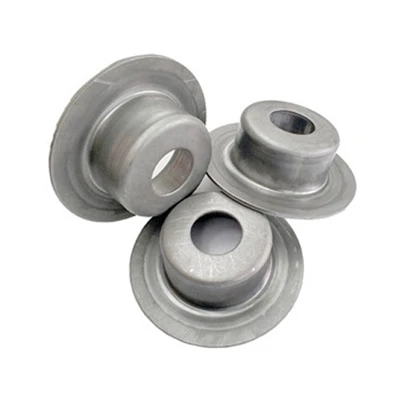
At our company, we offer a wide range of Seal products. Our seals are designed with high - quality materials to ensure durability and performance. Whether you need seals for industrial applications or other uses, we've got you covered.
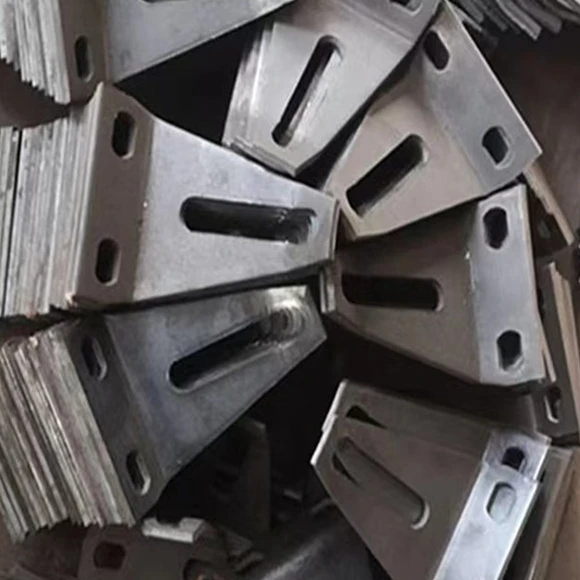
We also have related products like Return Idler Hanger and Housing. These products are essential for conveyor systems and other machinery. They work together with our seals to provide a complete solution for your needs.
Why Choose Our Seals?
Our seals are made with precision and care. We understand the importance of a good seal in preventing leaks and protecting your equipment. Our team of experts is always available to answer your questions and help you choose the right seal for your specific application.
We offer competitive prices without compromising on quality. We believe that everyone should have access to high - quality seals at an affordable price. And we're constantly innovating to improve our products and stay ahead of the competition.
Contact Us for Procurement
If you're interested in our Seal products, Return Idler Hanger, or Housing, don't hesitate to reach out. We're here to discuss your requirements and provide you with the best solutions. Whether you're a small business or a large corporation, we can work with you to meet your needs.
References
- Fish, F. E. (2004). Locomotor adaptations of pinnipeds. Marine Mammals, 249 - 272.
- Nowak, R. M. (1999). Walker's Mammals of the World. Johns Hopkins University Press.
- Pabst, D. A., Rommel, S. A., & McLellan, W. A. (1999). Functional morphology of marine mammal locomotion. Annual Review of Ecology and Systematics, 339 - 364.


