
Aligning belt conveyor pulleys is a critical task that directly impacts the efficiency, longevity, and safety of a conveyor system. As a supplier of high - quality belt conveyor pulleys, I've witnessed firsthand the importance of proper pulley alignment. In this blog, I'll share some in - depth knowledge on how to align belt conveyor pulleys effectively.
Understanding the Importance of Pulley Alignment
Before delving into the alignment process, it's essential to understand why proper alignment matters. Misaligned pulleys can cause a variety of problems. Firstly, they can lead to uneven belt wear. When the pulleys are not aligned correctly, the belt will experience more friction on one side than the other, causing premature wear and tear. This not only shortens the lifespan of the belt but also increases the risk of belt failure, which can result in costly downtime for your operations.
Secondly, misaligned pulleys can cause the belt to drift. A drifting belt can lead to material spillage, which is not only a waste of resources but also a safety hazard. It can also cause damage to the conveyor structure and other components.
Finally, proper pulley alignment ensures smooth and efficient operation of the conveyor system. When the pulleys are aligned, the belt runs straight, reducing energy consumption and improving the overall performance of the conveyor.
Tools Required for Pulley Alignment
To align belt conveyor pulleys accurately, you'll need a few essential tools. These include:
- Straightedge: A straightedge is used to check the parallelism of the pulleys. It helps you determine if the pulleys are in line with each other.
- Laser Alignment Tool: This is a more advanced tool that provides precise measurements of the pulley alignment. Laser alignment tools can quickly and accurately detect misalignments in both horizontal and vertical planes.
- Feeler Gauges: Feeler gauges are used to measure the gap between the pulley and other components. They are useful for checking the alignment of the pulley shaft and ensuring that there is proper clearance.
- Dial Indicators: Dial indicators can be used to measure the runout of the pulley. Runout refers to the deviation of the pulley's surface from a perfect circle. Excessive runout can cause belt vibration and misalignment.
Step - by - Step Pulley Alignment Process
Step 1: Initial Inspection
Before starting the alignment process, conduct a thorough inspection of the conveyor system. Check for any visible signs of damage or wear on the pulleys, belts, and other components. Look for loose bolts, misaligned frames, or any other issues that could affect the alignment. Make sure the conveyor is clean and free of debris.
Step 2: Check Pulley Parallelism
Use a straightedge or a laser alignment tool to check the parallelism of the pulleys. Place the straightedge or align the laser across the face of the pulleys. The goal is to ensure that the pulleys are parallel to each other within a specified tolerance. If the pulleys are not parallel, adjust the mounting bolts or shims to correct the alignment.
Step 3: Check Pulley Shaft Alignment
The alignment of the pulley shafts is also crucial. Use a dial indicator to measure the runout of the shafts. Mount the dial indicator on a stable surface and position the probe against the shaft. Rotate the shaft slowly and observe the readings on the dial indicator. If the runout exceeds the recommended tolerance, the shaft may need to be realigned or replaced.
Step 4: Adjust the Pulley Position
Once you've identified the misalignments, it's time to adjust the pulley position. This can be done by loosening the mounting bolts and using shims to raise or lower the pulley. Make small adjustments and re - check the alignment after each adjustment. It's important to make incremental changes to avoid over - correcting the alignment.
Step 5: Check Belt Tension
Proper belt tension is essential for the correct operation of the conveyor system. After aligning the pulleys, check the belt tension. A belt that is too loose can slip, while a belt that is too tight can cause excessive wear on the pulleys and other components. Use a belt tension gauge to measure the tension and adjust it as needed.
Step 6: Final Inspection
After completing the alignment and tension adjustment, conduct a final inspection of the conveyor system. Run the conveyor at a slow speed and observe the belt's movement. Check for any signs of belt drift, vibration, or abnormal noise. If everything looks good, gradually increase the speed of the conveyor and continue to monitor its performance.
Types of Belt Conveyor Pulleys and Their Alignment Considerations
There are several types of belt conveyor pulleys, each with its own alignment considerations.
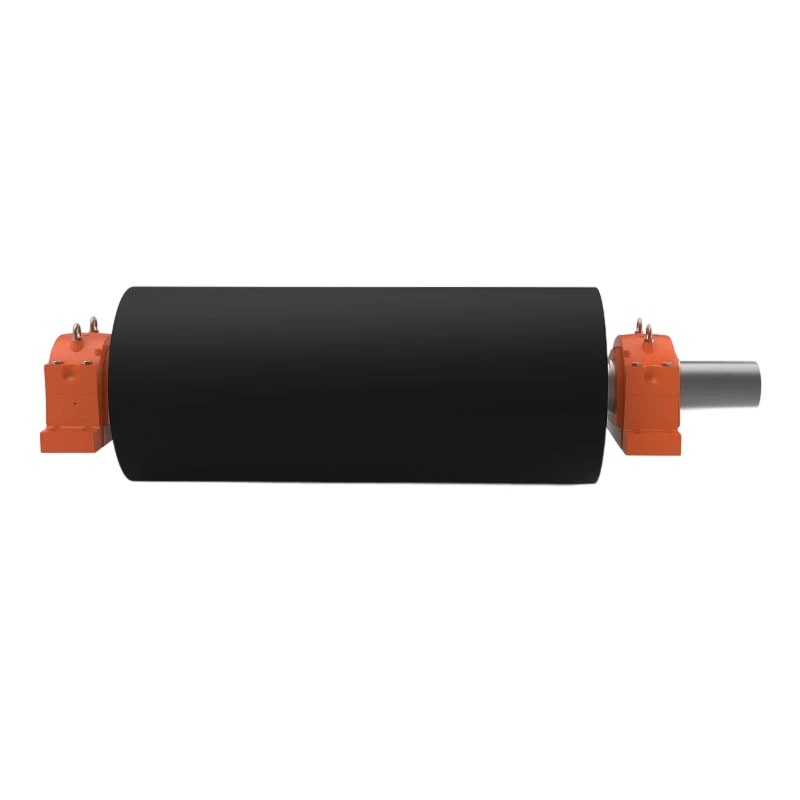
- Belt Conveyor Rubber Lagged Pulley: Rubber lagged pulleys are designed to provide better traction between the belt and the pulley. When aligning rubber lagged pulleys, it's important to ensure that the rubber surface is not damaged. Any damage to the rubber can cause uneven wear on the belt and affect the alignment.
- Wing Pulley: Wing pulleys are commonly used in conveyor systems to clean the belt. They have a unique design with wings that help remove debris from the belt. When aligning wing pulleys, make sure that the wings are evenly spaced and parallel to the belt. Misaligned wings can cause the belt to wear unevenly and reduce the cleaning efficiency.
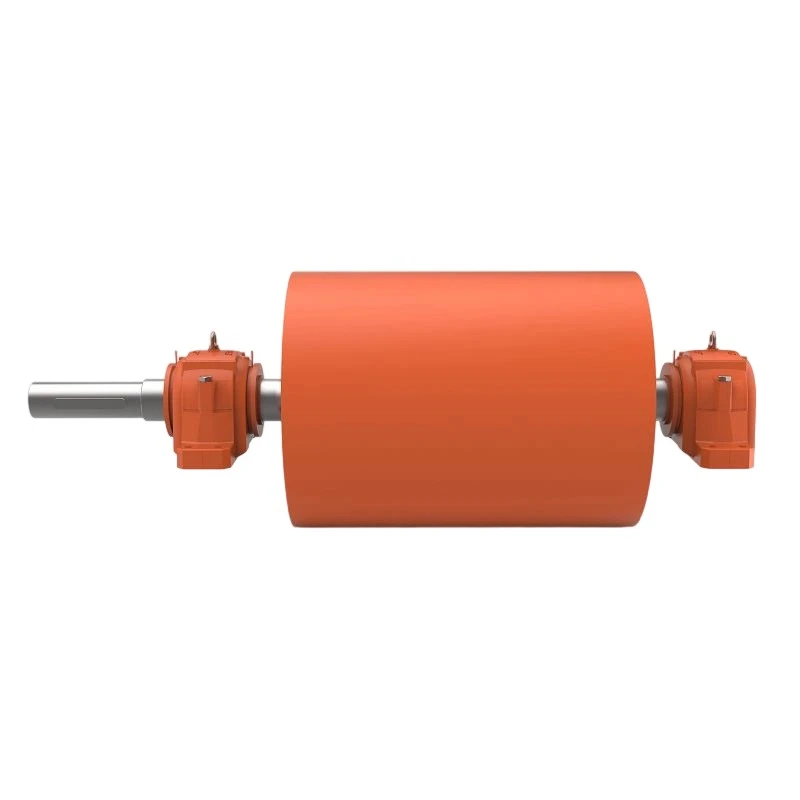
- Belt Conveyor Drum Pulley: Drum pulleys are the most common type of conveyor pulleys. They are used to drive the belt and provide support. When aligning drum pulleys, pay close attention to the parallelism and shaft alignment. Any misalignment can cause the belt to drift and reduce the efficiency of the conveyor.
Troubleshooting Common Alignment Issues
Even after careful alignment, you may encounter some common alignment issues. Here are some troubleshooting tips:
- Belt Drift: If the belt is drifting to one side, check the pulley alignment first. Make sure the pulleys are parallel and the shafts are aligned. You may also need to adjust the belt tension. If the problem persists, check for any obstructions or uneven loading on the belt.
- Belt Vibration: Belt vibration can be caused by several factors, including misaligned pulleys, excessive runout, or uneven belt tension. Check the pulley alignment and runout using the appropriate tools. Adjust the belt tension as needed. If the vibration continues, inspect the conveyor structure for any loose or damaged components.
- Excessive Belt Wear: Excessive belt wear can be a sign of misaligned pulleys or improper belt tension. Check the pulley alignment and adjust it if necessary. Make sure the belt tension is within the recommended range. Also, inspect the belt for any signs of damage or contamination.
Conclusion
Proper alignment of belt conveyor pulleys is crucial for the efficient and reliable operation of a conveyor system. By following the steps outlined in this blog and using the right tools, you can ensure that your pulleys are aligned correctly. As a supplier of belt conveyor pulleys, we are committed to providing high - quality products and technical support to help you with your conveyor system needs. If you have any questions or need assistance with pulley alignment or any other conveyor - related issues, please feel free to contact us for procurement and further discussion. We look forward to working with you to optimize your conveyor system performance.
References
- Conveyor Belt Handbook, Manufacturer's Manual
- Industrial Conveyor Systems: Design, Operation, and Maintenance, Professional Engineering Publications


