
Hey there! As a supplier of Polyurethane Belt Cleaners, I've seen firsthand how these nifty devices can revolutionize conveyor belt operations. One of the most common headaches in the industry is belt slippage, and that's where our Polyurethane Belt Cleaner comes in clutch. In this blog, I'll break down how a polyurethane belt cleaner can prevent belt slippage and keep your conveyor systems running smoothly.
Understanding Belt Slippage
Before we dive into how a polyurethane belt cleaner can solve the problem, let's first understand what causes belt slippage. Belt slippage occurs when the driving force between the conveyor belt and the drive pulley is insufficient to move the belt and its load. This can happen for several reasons, including:
- Worn or Dirty Belts: Over time, conveyor belts can become worn or dirty, reducing the friction between the belt and the drive pulley. This can cause the belt to slip, especially when carrying heavy loads.
- Incorrect Tension: If the conveyor belt is not properly tensioned, it can slip on the drive pulley. Too much tension can cause the belt to stretch and wear out quickly, while too little tension can result in slippage.
- Contaminants on the Pulley: Dirt, grease, and other contaminants can build up on the drive pulley, reducing the friction between the belt and the pulley. This can cause the belt to slip, even if the tension is correct.
How a Polyurethane Belt Cleaner Works
A polyurethane belt cleaner is a device that is installed on a conveyor belt to remove dirt, debris, and other contaminants from the belt surface. It consists of a blade made of polyurethane, which is a durable and flexible material that can effectively clean the belt without damaging it. The blade is mounted on a frame and is positioned at a specific angle to the belt surface. As the belt moves, the blade scrapes off any dirt or debris that is stuck to the belt, preventing it from building up on the drive pulley.
Removing Contaminants
One of the primary ways a polyurethane belt cleaner prevents belt slippage is by removing contaminants from the belt surface. When dirt, grease, and other debris build up on the belt, they can reduce the friction between the belt and the drive pulley, causing the belt to slip. By removing these contaminants, the belt cleaner helps to maintain the proper friction between the belt and the pulley, preventing slippage.
Preventing Belt Wear
Another way a polyurethane belt cleaner can prevent belt slippage is by reducing belt wear. When a belt is dirty or contaminated, it can cause excessive wear on the belt surface, which can lead to stretching and slipping. By keeping the belt clean, the belt cleaner helps to extend the life of the belt and reduce the risk of slippage.
Maintaining Proper Tension
In addition to removing contaminants and preventing belt wear, a polyurethane belt cleaner can also help to maintain the proper tension on the conveyor belt. When a belt is clean and free of debris, it is less likely to stretch or slip, which can help to keep the tension consistent. This is important because incorrect tension is one of the leading causes of belt slippage.

Benefits of Using a Polyurethane Belt Cleaner
Using a polyurethane belt cleaner offers several benefits beyond preventing belt slippage. Here are some of the key advantages:
- Improved Efficiency: By keeping the conveyor belt clean and free of debris, a belt cleaner can help to improve the efficiency of your conveyor system. This can result in increased productivity and reduced downtime.
- Reduced Maintenance Costs: A clean belt is less likely to wear out quickly, which can reduce the need for frequent belt replacements. This can save you money on maintenance costs in the long run.
- Enhanced Safety: A dirty or contaminated belt can pose a safety hazard to your employees. By removing these contaminants, a belt cleaner can help to create a safer working environment.
Other Conveyor Belt Accessories
In addition to polyurethane belt cleaners, there are other conveyor belt accessories that can help to prevent belt slippage and improve the performance of your conveyor system. Two such accessories are the Buffer Bed With Buffer Bars and the Impact Bed.
Buffer Bed With Buffer Bars
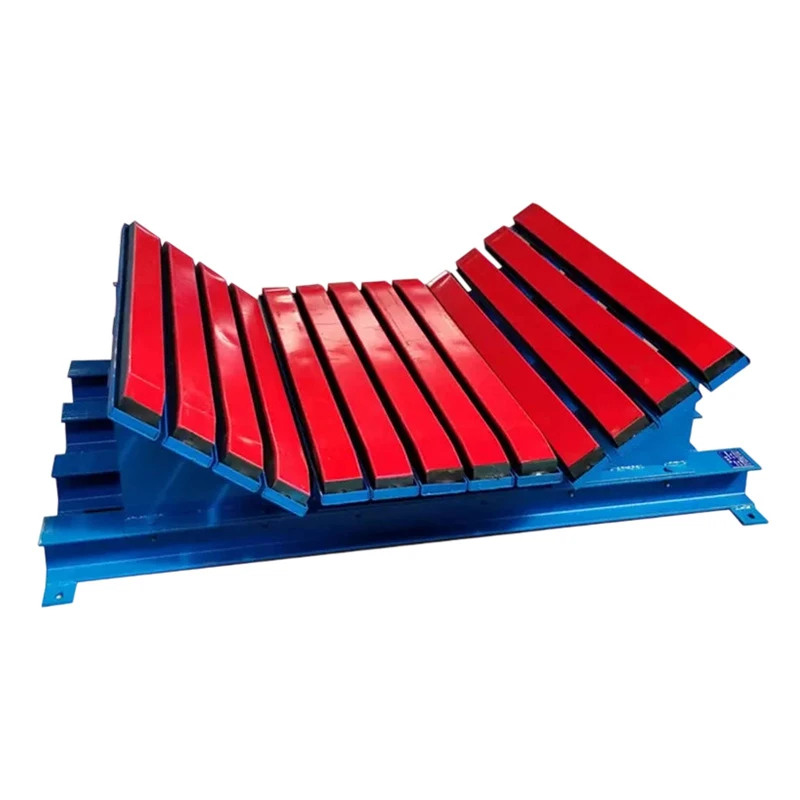
A buffer bed with buffer bars is a support system that is installed under the conveyor belt to absorb the impact of falling materials. It consists of a series of buffer bars that are made of a durable material, such as rubber or polyurethane. The buffer bars help to distribute the weight of the materials evenly across the belt, reducing the stress on the belt and preventing it from slipping.
Impact Bed
An impact bed is similar to a buffer bed, but it is designed to handle heavier loads and more severe impacts. It is typically used in applications where large or heavy materials are being conveyed, such as in mining or quarrying operations. The impact bed helps to protect the conveyor belt from damage and reduces the risk of belt slippage.
Conclusion
In conclusion, a polyurethane belt cleaner is an essential tool for preventing belt slippage and maintaining the efficiency of your conveyor system. By removing contaminants from the belt surface, preventing belt wear, and maintaining proper tension, a belt cleaner can help to keep your conveyor belts running smoothly and reduce the risk of downtime. In addition to belt cleaners, other conveyor belt accessories, such as Buffer Bed With Buffer Bars and Impact Bed, can also help to improve the performance of your conveyor system.
If you're interested in learning more about our Polyurethane Belt Cleaner or other conveyor belt accessories, please don't hesitate to reach out. We're here to help you find the right solutions for your conveyor system and ensure its optimal performance.
References
- Conveyor Belt Handbook, Various Industry Publications
- Belt Cleaning Technology Research Papers, Academic Journals


