
Hey there! As a supplier of Spiral Rollers, I've seen firsthand how important it is to keep these bad boys in tip - top shape. A well - maintained Spiral Roller can save you a ton of money in the long run and keep your operations running smoothly. So, let's dive into how to maintain a Spiral Roller.
Regular Inspections
The first step in maintaining a Spiral Roller is regular inspections. You should check your rollers at least once a week, more often if they're in heavy - use environments. Look for any signs of wear and tear, like cracks, dents, or excessive rust. If you notice any issues early on, you can address them before they turn into major problems.
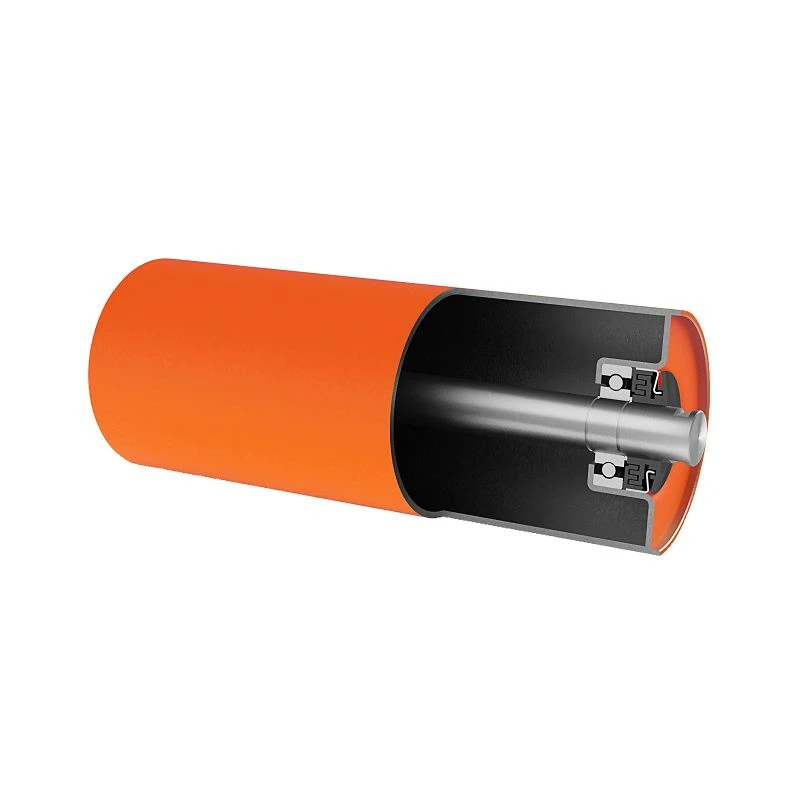
When inspecting, pay close attention to the bearings. The bearings are the heart of the roller, and if they're not working properly, the whole thing can go haywire. Check for any signs of overheating, which could indicate that the bearings are wearing out. You can use a thermal imaging camera to quickly spot any hot spots. Also, listen for any strange noises when the roller is in operation. Grinding, squealing, or rattling sounds are all red flags that something might be wrong.
Cleaning
Cleaning your Spiral Roller is crucial. Over time, dirt, dust, and debris can build up on the roller's surface, which can affect its performance. A dirty roller can cause the belt to slip, leading to inefficiencies and potential damage.
To clean the roller, start by shutting down the conveyor system and making sure it's completely powered off. Then, use a soft brush or a compressed air gun to remove any loose dirt and debris. For more stubborn grime, you can use a mild detergent and a clean cloth. Just make sure to dry the roller thoroughly after cleaning to prevent rust.
Don't forget about the inside of the roller. If your Spiral Roller has an open design, you can use a long - handled brush to clean the internal components. And if there are any hard - to - reach areas, you might need to use a small mirror to get a better view.
Lubrication
Proper lubrication is another key aspect of Spiral Roller maintenance. Lubricating the bearings reduces friction, which in turn extends the life of the roller. You should use a high - quality lubricant that's specifically designed for roller bearings.
The frequency of lubrication depends on the operating conditions. In general, for light - use applications, you can lubricate the bearings every three to six months. For heavy - use or high - temperature environments, you might need to lubricate them monthly or even more often.
When lubricating, make sure to follow the manufacturer's instructions. Over - lubrication can be just as bad as under - lubrication. Too much lubricant can cause the bearings to overheat and attract more dirt and debris.

Alignment
Roller alignment is often overlooked but is extremely important. Misaligned rollers can cause the belt to wear unevenly, leading to premature failure. You should check the alignment of your Spiral Rollers regularly, especially after any maintenance work or if you notice the belt is tracking off - center.
To check the alignment, you can use a straightedge or a laser alignment tool. If you find that a roller is misaligned, you'll need to adjust it. This might involve loosening the mounting bolts and moving the roller into the correct position. Make sure to tighten the bolts securely once the alignment is correct.
Replacement Parts
Even with the best maintenance, some parts of the Spiral Roller will eventually need to be replaced. Knowing when to replace parts is crucial to avoid unexpected breakdowns.
The most common parts that need replacement are the bearings. If you notice any of the signs of bearing failure during your inspections, like excessive noise or overheating, it's time to replace them. You can find high - quality replacement bearings from reputable suppliers.
Other parts that might need replacement include the end caps and the roller shell. If the end caps are damaged, they can allow dirt and moisture to enter the roller, which can damage the bearings. And if the roller shell is cracked or severely worn, it can affect the performance of the roller and the belt.
When replacing parts, make sure to use parts that are compatible with your Spiral Roller. You can refer to the manufacturer's specifications or consult with a professional if you're not sure.
Special Considerations for Different Environments
If your Spiral Rollers are used in a wet or corrosive environment, you'll need to take some extra precautions. For example, you might want to choose rollers that are made of corrosion - resistant materials, like stainless steel. You can check out Steel Roller for more options.
In dusty environments, you'll need to clean the rollers more frequently to prevent dust from building up. And in high - temperature environments, you'll need to use lubricants that can withstand the heat and make sure the rollers are properly cooled.
Using Complementary Rollers
In some conveyor systems, using complementary rollers can improve the performance and longevity of your Spiral Rollers. For example, No Power Idler can help support the belt and reduce the load on the Spiral Rollers. And Garland Roller Set can provide additional stability and support, especially for wider belts.
Contact for Purchase and Maintenance
If you're in the market for Spiral Rollers or need more advice on their maintenance, don't hesitate to reach out. Whether you're looking to replace old rollers or start a new project, we've got the expertise and the products to meet your needs. We can also offer customized solutions based on your specific requirements.
References
- Conveyor Roller Handbook, Industry Standard Publications
- Maintenance Best Practices for Conveyor Systems, Professional Conveyor Association
- Roller Bearing Maintenance Guide, Bearing Manufacturers Association
So, there you have it! By following these tips, you can keep your Spiral Rollers in great condition and ensure the smooth operation of your conveyor system.


