
Hey there! I'm a supplier of Steel Rollers, and I know firsthand how frustrating it can be to deal with corrosion. Corrosion not only affects the appearance of your steel rollers but also their performance and lifespan. In this blog post, I'm going to share some practical tips on how to prevent corrosion of a steel roller.
Understanding Corrosion
Before we dive into the prevention methods, let's quickly understand what corrosion is. Corrosion is basically a chemical reaction between the steel and its environment. When steel comes into contact with oxygen and moisture, it forms iron oxide, which we commonly know as rust. Factors like humidity, exposure to chemicals, and even the presence of salt in the air can speed up this process.
Choose the Right Steel
The first step in preventing corrosion is to choose the right type of steel for your rollers. Not all steels are created equal when it comes to corrosion resistance. For example, stainless steel contains chromium, which forms a protective layer on the surface of the steel, preventing oxygen from reaching the metal and causing rust. If your rollers are going to be used in a harsh environment, like near the ocean or in a chemical plant, Steel Roller made of stainless steel would be a great choice.
Surface Treatments
Another effective way to prevent corrosion is through surface treatments. There are several options available, and each has its own advantages.
Galvanizing
Galvanizing is a process where a layer of zinc is applied to the surface of the steel. Zinc is more reactive than iron, so when it comes into contact with oxygen, it forms a protective layer of zinc oxide. This layer acts as a barrier, preventing oxygen and moisture from reaching the steel. Galvanized steel rollers are commonly used in outdoor applications where they are exposed to the elements.
Painting
Painting is a simple and cost - effective way to protect steel rollers from corrosion. A good quality paint can create a physical barrier between the steel and the environment. Make sure to clean and prepare the surface of the roller properly before painting to ensure good adhesion. You can choose from different types of paints, such as epoxy or polyurethane paints, depending on the specific requirements of your application.
Powder Coating
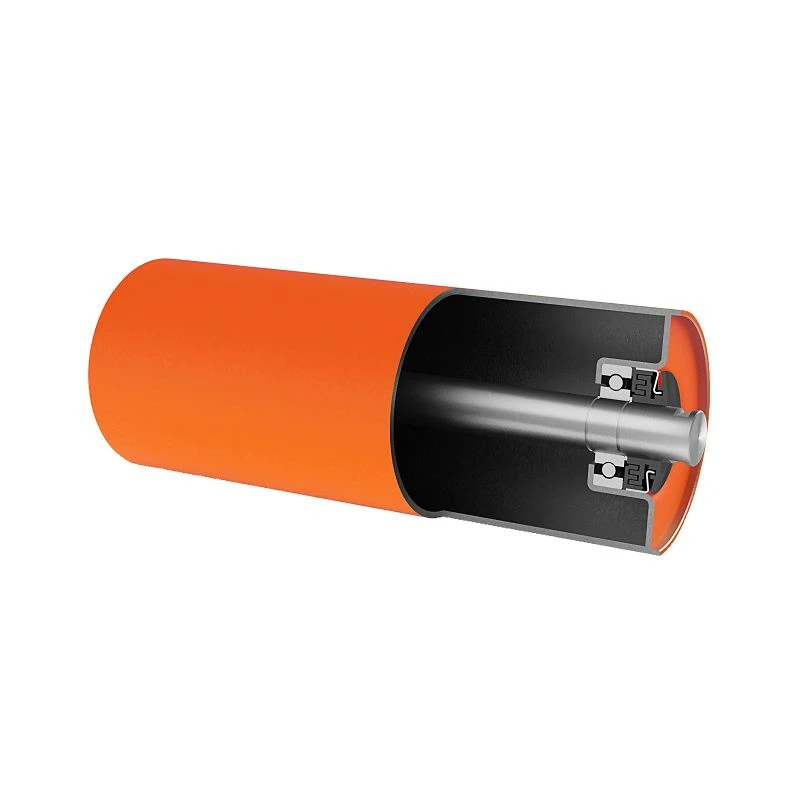
Powder coating is similar to painting but uses a dry powder instead of a liquid paint. The powder is electrostatically applied to the surface of the roller and then cured in an oven. This creates a tough, durable finish that is resistant to chipping, scratching, and corrosion. Powder - coated Durable Polyurethane Roller are often used in industrial settings where they need to withstand heavy use.
Proper Storage and Handling
How you store and handle your steel rollers can also have a big impact on their corrosion resistance.
Storage Conditions
Store your steel rollers in a dry, well - ventilated area. Avoid storing them in areas where there is a lot of moisture, like basements or near water sources. If possible, store the rollers on racks or pallets to keep them off the ground and away from any standing water.
Handling Precautions
When handling steel rollers, make sure to wear gloves to prevent the transfer of sweat and oils from your hands to the surface of the roller. These substances can accelerate the corrosion process. Also, be careful not to scratch or damage the surface of the roller during handling, as this can expose the bare steel to the environment.
Regular Inspection and Maintenance
Regular inspection and maintenance are crucial for preventing corrosion.
Inspection
Inspect your steel rollers regularly for any signs of corrosion, such as rust spots or discoloration. If you notice any issues, take action immediately to prevent the corrosion from spreading. Early detection can save you a lot of time and money in the long run.
Cleaning
Clean your steel rollers regularly to remove any dirt, dust, or debris that may have accumulated on the surface. Use a mild detergent and a soft cloth or brush to clean the rollers. Avoid using abrasive cleaners or tools that could scratch the surface and damage the protective coating.
Lubrication
If your steel rollers have moving parts, make sure to lubricate them regularly. Lubrication not only reduces friction and wear but also helps to prevent corrosion by creating a barrier between the metal surfaces and the environment.
Environmental Control
Controlling the environment where your steel rollers are used can also help prevent corrosion.
Humidity Control
If possible, keep the humidity levels in the area where the rollers are used within a reasonable range. High humidity can increase the risk of corrosion, so using dehumidifiers in enclosed spaces can be beneficial.
Chemical Exposure
Avoid exposing your steel rollers to harsh chemicals. If they do come into contact with chemicals, make sure to clean them thoroughly as soon as possible. If your rollers are used in an environment where chemical exposure is unavoidable, consider using Rubber Spiral Roller Idler or other types of rollers that are more resistant to chemical corrosion.

Conclusion
Preventing corrosion of steel rollers is a multi - faceted approach that involves choosing the right materials, applying appropriate surface treatments, proper storage and handling, regular inspection and maintenance, and environmental control. By following these tips, you can extend the lifespan of your steel rollers and ensure their optimal performance.
If you're in the market for high - quality steel rollers or need more advice on corrosion prevention, don't hesitate to reach out. We're here to help you find the best solutions for your specific needs. Let's start a conversation about your requirements and see how we can work together to keep your operations running smoothly.
References
- Jones, D. A. (1992). Principles and Prevention of Corrosion. Macmillan Publishing Company.
- Uhlig, H. H., & Revie, R. W. (1985). Corrosion and Corrosion Control: An Introduction to Corrosion Science and Engineering. John Wiley & Sons.


