
Hey there! As a supplier of conveyor belt cleaners, I've seen firsthand how crucial these little guys are in keeping conveyor systems running smoothly. In this blog, I'm gonna share some of the best practices for using conveyor belt cleaners. Whether you're new to the game or looking to optimize your current setup, these tips will help you get the most out of your cleaners.
Understanding the Basics
First things first, let's talk about why conveyor belt cleaners are so important. Conveyor belts are used in a wide range of industries, from mining and manufacturing to food processing and logistics. Over time, materials can build up on the belt surface, leading to a host of problems such as reduced efficiency, increased wear and tear, and even safety hazards. Conveyor belt cleaners are designed to remove this buildup, ensuring that the belt operates at peak performance.
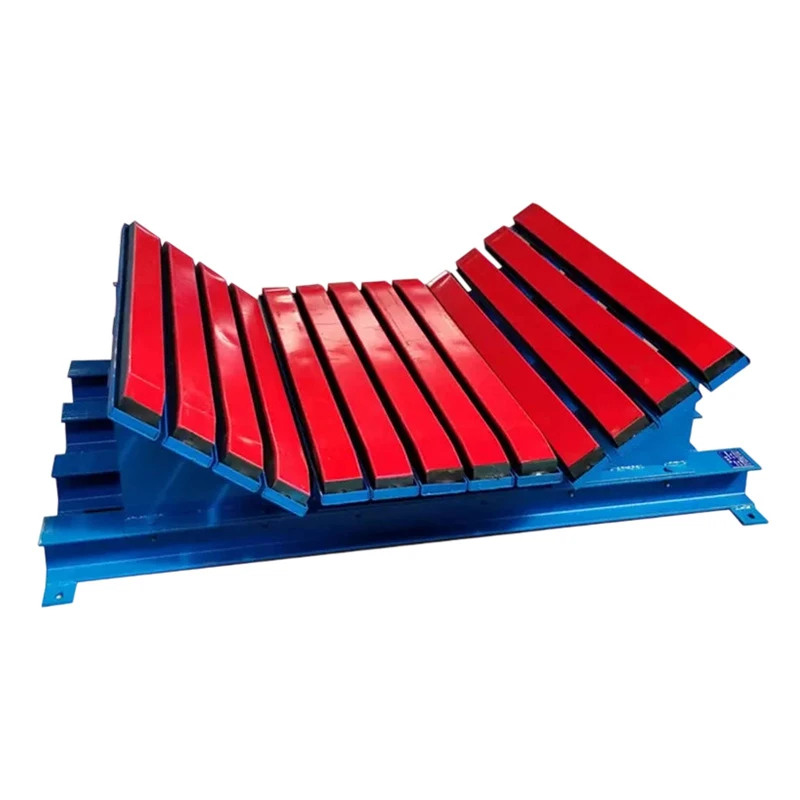
There are several types of conveyor belt cleaners available on the market, each with its own unique features and benefits. Some of the most common types include Polyurethane Belt Cleaner, Impact Bed, and Carbide Belt Cleaner. The type of cleaner you choose will depend on a variety of factors, including the type of material being conveyed, the speed of the belt, and the operating environment.

Choosing the Right Cleaner
When it comes to choosing the right conveyor belt cleaner, there's no one-size-fits-all solution. You need to consider several factors to ensure that you select a cleaner that is suitable for your specific application. Here are some key considerations:
- Material being conveyed: Different materials have different properties, such as abrasiveness, stickiness, and moisture content. These properties can affect the performance of the cleaner, so it's important to choose a cleaner that is designed to handle the specific material you're conveying.
- Belt speed: The speed of the conveyor belt can also impact the performance of the cleaner. Higher belt speeds require cleaners that are able to remove material quickly and efficiently.
- Operating environment: The operating environment can also play a role in the selection of the cleaner. For example, if the conveyor is operating in a dusty or wet environment, you may need a cleaner that is more durable and resistant to corrosion.
- Cleaning requirements: Finally, you need to consider your cleaning requirements. Do you need to remove all of the material from the belt, or just a portion of it? How often do you need to clean the belt? These factors will help you determine the type and frequency of cleaning required.
Installation and Maintenance
Once you've chosen the right conveyor belt cleaner, it's important to install and maintain it properly to ensure optimal performance. Here are some best practices for installation and maintenance:
- Proper installation: Make sure that the cleaner is installed correctly according to the manufacturer's instructions. Improper installation can lead to reduced performance and premature wear of the cleaner.
- Regular inspection: Regularly inspect the cleaner for signs of wear and damage. Replace any worn or damaged parts as soon as possible to prevent further damage to the cleaner and the conveyor belt.
- Adjustment: Over time, the cleaner may need to be adjusted to maintain optimal performance. Make sure that you follow the manufacturer's instructions for adjusting the cleaner.
- Cleaning: Keep the cleaner clean to prevent the buildup of material on the blades or brushes. Use a suitable cleaning agent and follow the manufacturer's instructions for cleaning the cleaner.
- Lubrication: If the cleaner requires lubrication, make sure that you use the recommended lubricant and follow the manufacturer's instructions for lubrication.
Training and Safety
In addition to proper installation and maintenance, it's also important to provide training to your employees on the safe and proper use of conveyor belt cleaners. Here are some key safety considerations:
- Training: Provide comprehensive training to your employees on the safe and proper use of conveyor belt cleaners. Make sure that they understand the potential hazards associated with the cleaners and how to avoid them.
- Personal protective equipment (PPE): Make sure that your employees wear the appropriate PPE, such as gloves, safety glasses, and ear protection, when working with conveyor belt cleaners.
- Lockout/tagout: Before performing any maintenance or adjustment on the cleaner, make sure that the conveyor belt is locked out and tagged out to prevent accidental startup.
- Emergency procedures: Develop and implement emergency procedures for dealing with any accidents or injuries that may occur while working with conveyor belt cleaners.
Conclusion
In conclusion, using conveyor belt cleaners is an essential part of maintaining the efficiency and safety of your conveyor system. By choosing the right cleaner, installing and maintaining it properly, and providing training to your employees, you can ensure that your conveyor belt operates at peak performance and lasts for many years to come.
If you're interested in learning more about our conveyor belt cleaners or have any questions about choosing the right cleaner for your application, please don't hesitate to contact us. We're here to help you find the best solution for your needs.
References
- Conveyor Belt Cleaner Manufacturer's Manuals
- Industry Standards and Guidelines for Conveyor Belt Cleaning
- Technical Papers on Conveyor Belt Maintenance and Cleaning


