
As a supplier of Return Idler Hangers, I understand the importance of these components in conveyor systems. Return Idler Hangers play a crucial role in supporting the return side of the conveyor belt, ensuring smooth and efficient operation. However, like any mechanical part, they can become damaged over time due to various factors such as wear and tear, impact, or improper installation. In this blog post, I will discuss the different repair methods available for damaged Return Idler Hangers.
1. Inspection and Assessment
Before any repair work can begin, a thorough inspection of the damaged Return Idler Hanger is essential. This inspection should identify the extent and nature of the damage. Common types of damage include cracks, bends, and excessive wear on the hanger body, as well as issues with the Seal and Housing.
- Visual Inspection: Start by visually examining the hanger for obvious signs of damage, such as cracks or deformities. Check the mounting points and any connecting parts for looseness or misalignment.
- Measurement: Use appropriate measuring tools to check the dimensions of the hanger. Deviations from the standard specifications can indicate damage or wear.
- Functionality Test: If possible, test the functionality of the Return Idler Hanger in the conveyor system. Observe how it supports the belt and whether there are any abnormal noises or vibrations.
2. Minor Damage Repair
For minor damage, such as small scratches or surface wear, simple repair methods can be employed.

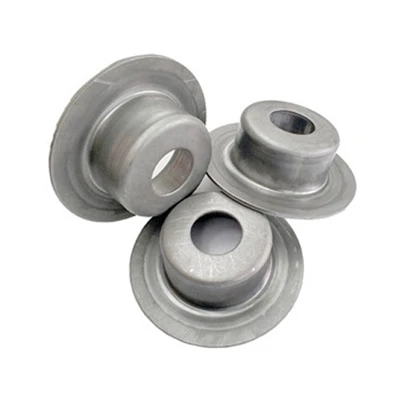
- Surface Cleaning and Coating: Clean the damaged area of the Return Idler Hanger to remove dirt, debris, and rust. Then, apply a suitable protective coating to prevent further corrosion and wear. This can extend the lifespan of the hanger and improve its performance.
- Straightening: If the hanger is slightly bent, it may be possible to straighten it using appropriate tools. However, this should be done carefully to avoid causing additional damage. It is important to ensure that the hanger maintains its original shape and dimensions after straightening.
3. Welding Repair
Welding can be an effective repair method for Return Idler Hangers with cracks or broken parts.
- Crack Repair: For cracks in the hanger body, welding can be used to seal the crack and restore the structural integrity of the hanger. Before welding, the crack should be cleaned and prepared properly to ensure good adhesion. It is important to use the correct welding technique and filler material to match the properties of the hanger material.
- Broken Part Replacement and Welding: If a part of the Return Idler Hanger is broken off, it can be replaced and welded back into place. This requires careful alignment and welding to ensure that the new part functions correctly and is securely attached to the hanger.
However, welding repair should be carried out by a qualified welder. Improper welding can lead to weak joints, distortion, and further damage to the hanger.
4. Replacement of Components
In some cases, it may be more practical to replace certain components of the Return Idler Hanger rather than attempting to repair them.
- Seal Replacement: The Seal in the Return Idler Hanger is important for preventing dirt and moisture from entering the bearing and causing damage. If the seal is damaged or worn, it should be replaced with a new one. This can help to extend the lifespan of the bearing and improve the overall performance of the hanger.
- Housing Replacement: If the Housing of the Return Idler Hanger is severely damaged, it may need to be replaced. A new housing can provide a better fit and support for the bearing, ensuring smooth operation of the hanger.
5. Complete Replacement
When the damage to the Return Idler Hanger is extensive and cannot be effectively repaired, complete replacement is the best option.
- Cost - Benefit Analysis: Consider the cost of repair versus the cost of a new Return Idler Hanger. In some cases, the cost of repair, including labor and materials, may be close to or even higher than the cost of a new hanger. In such situations, replacement is more cost - effective.
- Performance and Safety: A new Return Idler Hanger can provide better performance and safety compared to a repaired one. It will have the latest design and manufacturing standards, ensuring optimal operation of the conveyor system.
6. Preventive Maintenance
To reduce the frequency of damage and the need for repair, preventive maintenance is crucial.
- Regular Inspection: Implement a regular inspection schedule for Return Idler Hangers in the conveyor system. This can help to detect early signs of damage and address them before they become more serious.
- Lubrication: Ensure proper lubrication of the bearings in the Return Idler Hangers. This can reduce friction and wear, extending the lifespan of the hanger.
- Proper Installation: Follow the manufacturer's instructions for the proper installation of Return Idler Hangers. Incorrect installation can lead to premature damage and failure.
As a supplier of high - quality Return Idler Hangers, I am committed to providing our customers with the best products and solutions. Whether you need advice on repair methods, replacement components, or new Return Idler Hangers, we are here to help. If you have any questions or are interested in purchasing our products, please feel free to contact us for further discussion and negotiation.
References
- Conveyor Belt Handbook, various editions
- Manufacturer's manuals for Return Idler Hangers
- Industry standards and guidelines for conveyor system maintenance


