
When dealing with the logistics of transporting industrial equipment, ensuring safety is of utmost importance. As a supplier of Return V - type Idlers, I understand firsthand the challenges and requirements associated with safely moving these components from our facility to the end - user's site. In this blog, I will share some key considerations and best practices for the safe transportation of Return V - type Idlers.
Understanding the Return V - type Idler
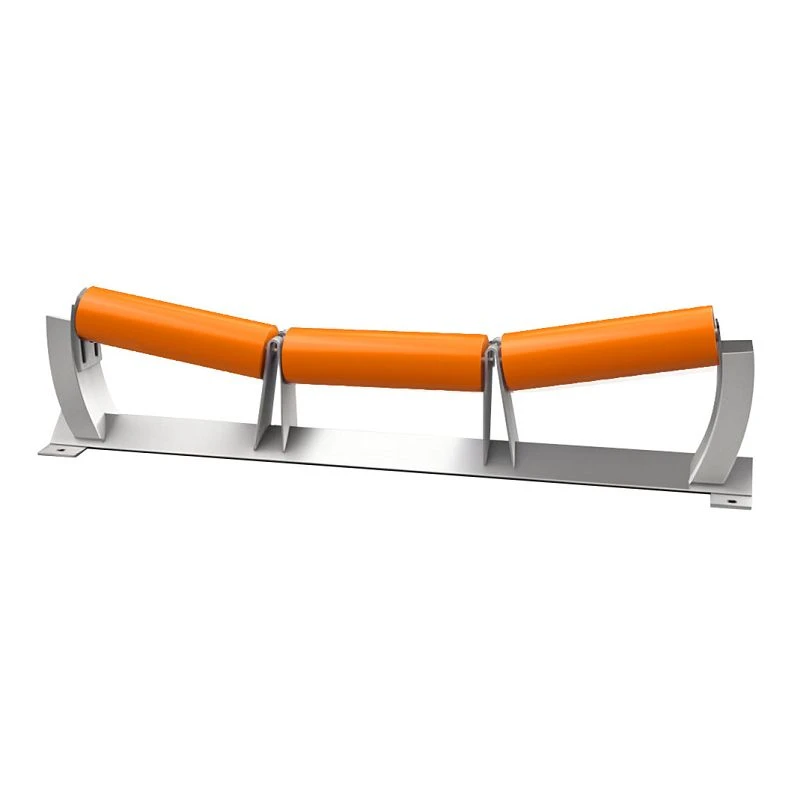
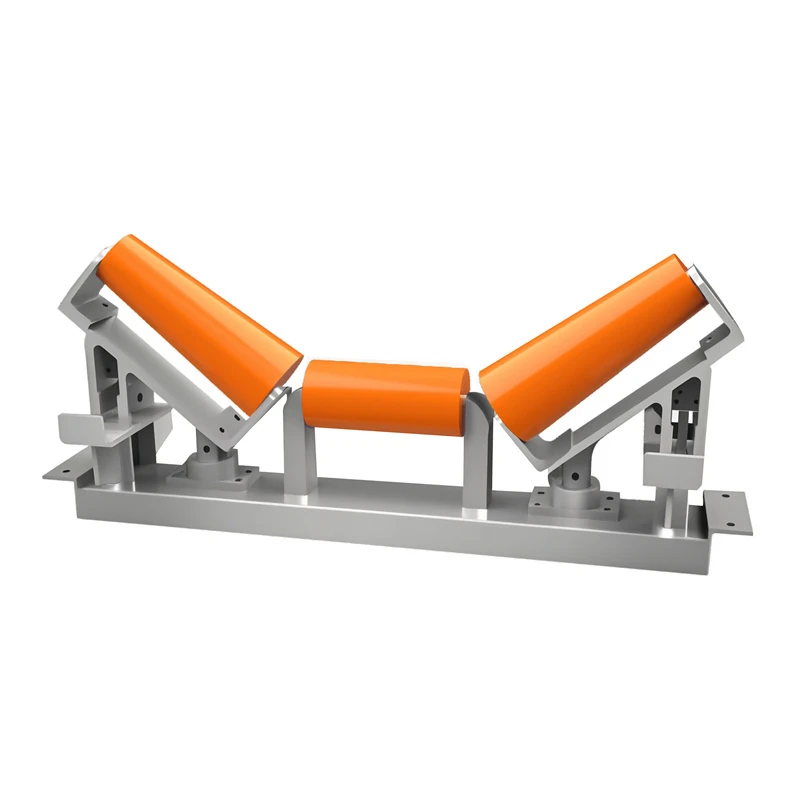
Before diving into the transportation process, it's essential to understand what a Return V - type Idler is. Return V - type Idlers are crucial components in conveyor systems. They are designed to support the return side of the conveyor belt, maintaining its stability and guiding it back to the loading area. Their unique V - shape helps in reducing belt misalignment, wear and tear, and ensures smooth operation of the conveyor belt. These idlers come in various sizes and specifications, depending on the requirements of the conveyor system they are intended for.
Pre - transportation Preparations
Inspection
The first step in the safe transportation of Return V - type Idlers is a thorough inspection. Before packing and shipping, each idler should be carefully examined for any signs of damage, such as cracks, dents, or loose parts. Any defective idlers should be set aside for repair or replacement. This inspection process is not only vital for the safety of transportation but also ensures that the end - user receives a high - quality product.
Cleaning
Cleaning the idlers is another important pre - transportation step. Removing dirt, debris, and any foreign materials from the idlers can prevent damage during transit. A clean surface also allows for better identification and handling. Use appropriate cleaning agents and tools, making sure not to damage the idler's surface or components during the cleaning process.
Packaging
Proper packaging is the cornerstone of safe transportation. Return V - type Idlers should be packed in a way that protects them from physical damage, moisture, and corrosion. For smaller idlers, a sturdy cardboard box with adequate cushioning materials like foam inserts or bubble wrap can be used. Larger idlers may require custom - made wooden crates. These crates should be designed to fit the idlers snugly, preventing them from shifting during transit. Additionally, the packaging should be labeled clearly with information such as the product name, size, weight, and handling instructions.
Choosing the Right Transportation Method
Road Transport
Road transport is a common choice for transporting Return V - type Idlers, especially for shorter distances. When using trucks or trailers, it's important to ensure that the vehicle is well - maintained and suitable for the weight and size of the idlers. The idlers should be loaded onto the vehicle in an orderly manner, with proper securing techniques. Straps, chains, or ropes can be used to prevent the idlers from moving or falling during transit. It's also important to consider the road conditions and the driver's experience, as rough roads or inexperienced drivers can increase the risk of damage.
Rail Transport
For longer distances, rail transport can be a more cost - effective and efficient option. When using rail, the idlers should be placed in railway cars in a stable and secure manner. Specialized loading equipment may be required to ensure proper placement. Rail transport offers a relatively smooth journey, but it still requires careful handling during loading and unloading.
Sea Transport
If the destination is overseas, sea transport may be necessary. When shipping by sea, the idlers should be loaded into shipping containers. These containers should be properly sealed to protect the idlers from saltwater corrosion and other environmental factors. Additionally, the containers should be secured on the ship to prevent them from shifting due to the movement of the vessel.
Handling During Transportation
Loading and Unloading
Loading and unloading are critical stages in the transportation process. Specialized equipment, such as forklifts or cranes, should be used to handle Return V - type Idlers. Operators of this equipment should be trained and experienced to ensure safe handling. During loading, the idlers should be placed in their designated positions carefully, and during unloading, they should be removed without causing any damage.
Vibration and Shock Mitigation
During transportation, idlers are exposed to vibrations and shocks. These can cause damage to the idlers' components, especially the bearings and the rollers. To mitigate these effects, shock - absorbing materials can be used in the packaging. Additionally, the transportation vehicle should be driven or operated in a way that minimizes sudden stops, starts, and rough maneuvers.
Monitoring During Transit
Tracking
In today's digital age, tracking technology can be used to monitor the location and condition of the Return V - type Idlers during transit. GPS tracking devices can be attached to the transportation vehicle or the shipping containers. This allows both the supplier and the customer to keep an eye on the progress of the shipment and anticipate its arrival time.
Condition Monitoring
Some advanced systems allow for real - time condition monitoring of the idlers during transit. Sensors can be installed to detect factors such as temperature, humidity, and vibration levels. Any abnormal readings can trigger alerts, allowing for timely intervention to prevent damage.
Safety for Workers
The safety of the workers involved in the transportation process is also a top priority. Workers should be provided with appropriate personal protective equipment (PPE), such as hard hats, safety glasses, and gloves. Training programs should be conducted regularly to ensure that workers are aware of the proper handling procedures and safety protocols.
Related Products and Their Role
While discussing the transportation of Return V - type Idlers, it's also worth mentioning related products that play a role in conveyor systems. For example, the Anti - V Self Aligning Roller Set is designed to keep the conveyor belt centered, reducing the risk of misalignment. The Adjusted Carrier Trough Transition Idler helps in the smooth transition of the conveyor belt between different sections, and the Carrier Taper Self - aligning Idler ensures proper alignment of the belt during the carrying phase.
Conclusion
Transporting Return V - type Idlers safely requires a comprehensive approach that encompasses pre - transportation preparations, choosing the right transportation method, proper handling, monitoring, and worker safety. By following these guidelines, we can minimize the risk of damage during transit and ensure that our customers receive high - quality products.
If you are in need of Return V - type Idlers or any of the related products mentioned above, I encourage you to reach out for a procurement discussion. We are committed to providing not only top - quality products but also reliable transportation solutions to meet your needs.
References
- Conveyor Belt Handbook: A comprehensive guide on conveyor belt systems and their components.
- Industrial Equipment Transportation Standards: Published by industry associations to ensure safety and quality in the transportation of industrial equipment.


