
Hey there! As a supplier of impact rollers, I've had the chance to get super up - close and personal with these machines. Impact rollers are pretty cool pieces of equipment, and they're used in a bunch of industries, like construction and mining. In this blog, I'm gonna break down the key components of an impact roller so you can understand what makes these things tick.
1. Drum
The drum is like the heart of the impact roller. It's the big, round part that does the actual compaction work. Usually made from high - strength steel, the drum is designed to withstand a whole lot of pressure. When the roller moves over the ground, the drum's weight and rotation help to compress the soil or other materials beneath it.
The size and shape of the drum can vary depending on the specific application. For example, in large - scale construction projects where you need to cover a lot of ground quickly, you might use a wider drum. On the other hand, in more confined spaces, a narrower drum would be more appropriate.
2. Frame
The frame is what holds all the other components together. It's a sturdy structure that provides support and stability to the impact roller. Think of it as the skeleton of the machine. The frame is typically made from heavy - duty steel or other strong alloys to ensure it can handle the vibrations and forces generated during operation.
A well - designed frame also helps in distributing the weight of the roller evenly across the drum. This is crucial for achieving uniform compaction results. If the frame isn't strong enough or isn't designed properly, it can lead to uneven wear on the drum and other components, which can ultimately affect the performance of the impact roller.
3. Impact Mechanism
This is where the real "impact" in impact roller comes from. The impact mechanism is responsible for generating the high - energy blows that are used to compact the ground. There are different types of impact mechanisms, but one of the most common ones is the drop - weight system.
In a drop - weight impact mechanism, a heavy weight is lifted up and then dropped onto the drum. When the weight hits the drum, it creates a powerful shockwave that travels through the drum and into the ground. This shockwave helps to break up and compact the soil particles, making the ground more stable.
Another type of impact mechanism uses hydraulic or pneumatic systems to generate the impact force. These systems can be more precise and controllable, allowing for better adjustment of the impact energy depending on the specific requirements of the job.
4. Rubber Shock Absorber
Now, let's talk about the Rubber Shock Absorber. This component plays a really important role in reducing the vibrations and shocks that are generated during the operation of the impact roller. As you can imagine, all those high - energy impacts can create a lot of vibrations, which can not only be uncomfortable for the operator but also cause damage to the machine itself.
The rubber shock absorber is usually placed between different parts of the roller, like between the drum and the frame. It acts as a buffer, absorbing the shock energy and preventing it from being transferred to other components. This helps to extend the lifespan of the impact roller and also improves the overall comfort of the operator.
5. No Power Idler
The No Power Idler is another key component. It's a non - powered roller that helps to support the conveyor belt (if the impact roller is part of a conveyor system) or guide the movement of the machine. No power idlers are designed to rotate freely, reducing friction and allowing the conveyor belt or the roller to move smoothly.
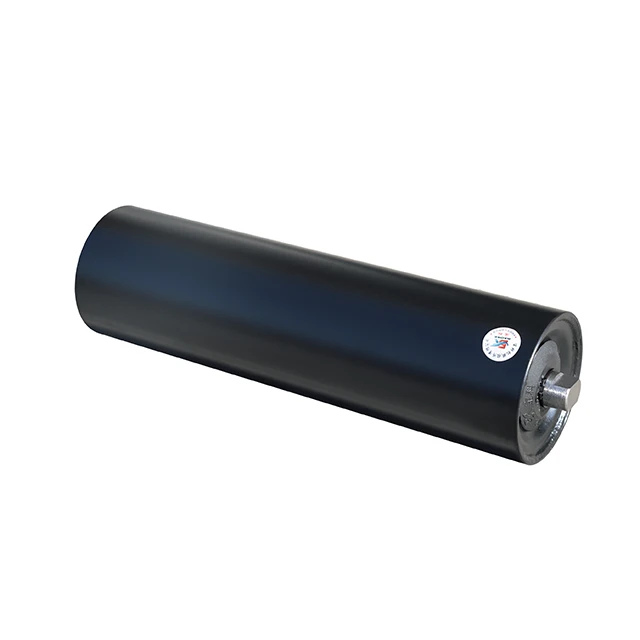

These idlers are typically made from high - quality materials, like steel or plastic, and are designed to withstand the harsh conditions of industrial environments. They also need to be properly lubricated to ensure smooth operation and to prevent premature wear.
6. Drive System
The drive system is what makes the impact roller move. It provides the power needed to propel the machine forward or backward. There are different types of drive systems, including mechanical, hydraulic, and electric.
Mechanical drive systems use gears, chains, and other mechanical components to transfer power from the engine to the wheels or tracks of the impact roller. Hydraulic drive systems, on the other hand, use hydraulic fluid to transmit power. They offer more flexibility and better control, especially in applications where precise speed and torque adjustments are required. Electric drive systems are becoming more popular these days because they're more environmentally friendly and can be more energy - efficient.
7. Control System
The control system allows the operator to manage the operation of the impact roller. It includes things like the steering controls, speed controls, and controls for the impact mechanism. A good control system should be easy to use and intuitive, so the operator can focus on getting the job done effectively.
Modern impact rollers often come with advanced control systems that use sensors and electronic components to monitor and adjust the performance of the machine in real - time. For example, the control system can automatically adjust the impact energy based on the density of the soil being compacted.
8. Ordinary Carbon Steel Conveyor Roller
If the impact roller is part of a conveyor system, the Ordinary Carbon Steel Conveyor Roller is an important component. These rollers are used to support and guide the conveyor belt, ensuring that it moves smoothly and efficiently.
Ordinary carbon steel conveyor rollers are relatively inexpensive and easy to manufacture. They're also quite durable, making them a popular choice for many industrial applications. However, they may require some maintenance, like regular cleaning and lubrication, to keep them in good working condition.
Why These Components Matter
Each of these components plays a vital role in the overall performance of the impact roller. If one component fails or isn't working properly, it can have a big impact on the efficiency and effectiveness of the machine. For example, if the rubber shock absorber isn't doing its job, the vibrations can cause damage to other components, leading to costly repairs and downtime.
By understanding the key components of an impact roller, you can make more informed decisions when it comes to choosing the right machine for your needs. You can also ensure that you're properly maintaining and servicing the impact roller to keep it running smoothly for a long time.
Let's Talk Business
If you're in the market for an impact roller, or if you have any questions about the components or how they work, I'd love to have a chat with you. Whether you're working on a small - scale construction project or a large - scale mining operation, I can help you find the perfect impact roller that meets your specific requirements. So, don't hesitate to reach out and let's start a conversation about how I can assist you with your impact roller needs.
References
- Construction Equipment Handbook
- Industrial Machinery Manuals
- Journal of Civil Engineering and Construction Technology


