
Belt conveyors are widely used in various industries for the efficient transportation of bulk materials. One of the key components of a belt conveyor system is the rollers. These rollers play a crucial role in supporting the conveyor belt, reducing friction, and ensuring smooth operation. The installation positions of belt conveyor rollers are carefully determined based on the specific requirements of the conveyor system. As a leading belt conveyor rollers supplier, I will delve into the different installation positions of these rollers and their significance.
Head and Tail Rollers
The head and tail rollers are the two most fundamental rollers in a belt conveyor system. The head roller is located at the discharge end of the conveyor, while the tail roller is at the loading end. The head roller is responsible for driving the conveyor belt, and it is usually connected to a motor through a drive system. The power from the motor is transferred to the head roller, which then moves the belt forward.
The tail roller, on the other hand, provides tension to the belt. It helps to keep the belt in place and ensures proper tracking. The installation of the head and tail rollers needs to be precise. They should be aligned parallel to each other and perpendicular to the conveyor frame. Any misalignment can cause the belt to drift, leading to uneven wear and potential damage to the belt and rollers.
Return Rollers
Return rollers are installed on the underside of the conveyor belt, where the belt returns from the discharge end to the loading end. Their main function is to support the empty belt and guide it back to the loading point. Return rollers are typically spaced at regular intervals along the length of the conveyor. The spacing depends on factors such as the belt width, belt tension, and the type of material being conveyed.
Proper installation of return rollers is essential for maintaining the stability of the return belt. They should be installed in a straight line and at the correct height to ensure that the belt runs smoothly. If the return rollers are not installed correctly, the belt may sag or deviate, which can cause problems such as belt damage and increased power consumption.
Idler Rollers
Idler rollers are used to support the carrying side of the conveyor belt. They are divided into different types based on their functions and installation positions.
Troughing Idlers
Troughing idlers are the most common type of idler rollers. They are usually arranged in a trough shape to support the belt and prevent it from sagging between the rollers. Troughing idlers are typically installed at regular intervals along the length of the conveyor. The trough angle of these idlers can vary depending on the application. A larger trough angle can increase the capacity of the conveyor by allowing more material to be carried on the belt.
Impact Rollers
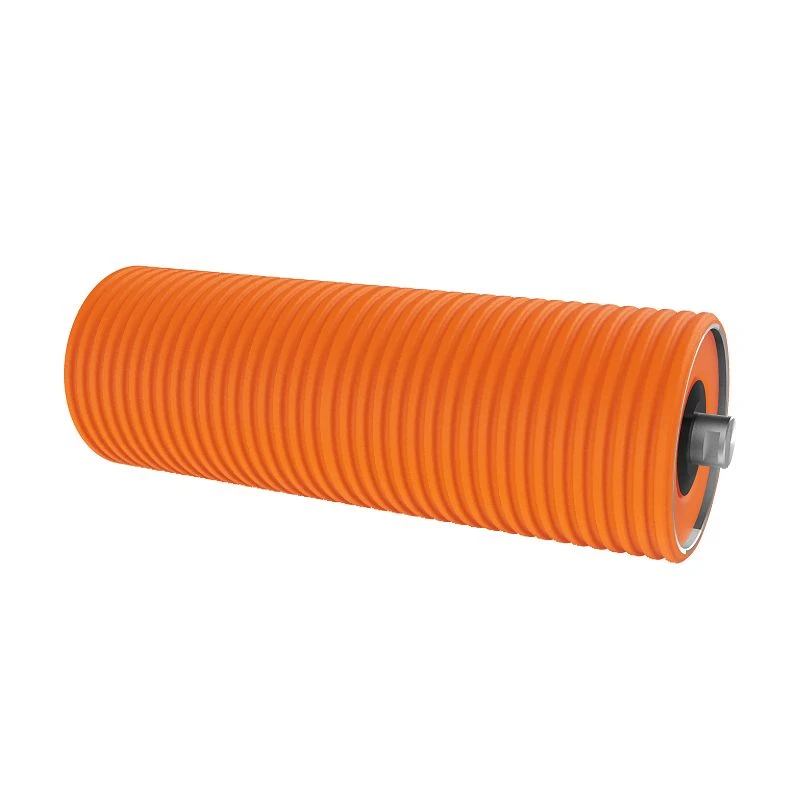
Impact rollers are installed at the loading point of the conveyor, where the material is loaded onto the belt. The Impact Roller is designed to absorb the impact of the falling material and protect the belt from damage. They are usually made of a more durable material and have a special design to withstand the high impact forces.
When installing impact rollers, it is important to ensure that they are installed at the correct height and alignment. They should be able to absorb the impact energy effectively without causing excessive stress on the belt.

Self - Aligning Idlers
Self - aligning idlers are used to correct the lateral movement of the conveyor belt. They can automatically adjust their position to keep the belt centered on the conveyor. Self - aligning idlers are particularly useful in long - distance conveyors or conveyors that are subject to changing loads.
The Side Roller Guide Roller For Self - Aligning Idler is an important part of the self - aligning idler system. It helps to guide the belt and ensure that the self - aligning mechanism works effectively. These rollers should be installed at the appropriate positions and angles to achieve the best alignment results.
Anti - Roll Back Rollers
In some conveyor systems, especially those with an inclined or vertical section, Anti Roll Back Idler Roller are installed to prevent the belt from rolling back when the conveyor is stopped. These rollers are designed with a special mechanism that allows the belt to move forward but locks it in place when there is a reverse movement.
The installation of anti - roll back rollers requires careful consideration of the conveyor's slope, belt speed, and load. They should be installed at the correct position to ensure that they can effectively prevent the belt from rolling back and avoid any potential safety hazards.
Training Rollers
Training rollers are used to correct the tracking of the conveyor belt. They are usually adjustable and can be used to fine - tune the position of the belt. Training rollers are often installed at strategic points along the conveyor, such as near the head and tail rollers or at areas where the belt is prone to drifting.
When installing training rollers, it is important to follow the manufacturer's instructions. They should be adjusted gradually to avoid over - correction, which can cause the belt to oscillate.
Conclusion
The installation positions of belt conveyor rollers are critical for the proper functioning of the conveyor system. Each type of roller has a specific role to play, and its installation needs to be carefully planned and executed. As a belt conveyor rollers supplier, we understand the importance of providing high - quality rollers and accurate installation guidance.
If you are in the market for belt conveyor rollers or need advice on the installation and maintenance of your conveyor system, we are here to help. Our team of experts can provide you with customized solutions based on your specific requirements. Contact us today to discuss your needs and start a procurement negotiation. We look forward to working with you to ensure the smooth operation of your conveyor system.
References
- Conveyor Equipment Manufacturers Association (CEMA). Belt Conveyor Design Manual.
- ASME B20.1 - 2016, Safety Standard for Conveyors and Related Equipment.
- ISO 5048:1996, Continuous mechanical handling equipment - Belt conveyors - Tolerances and fits.


